
How to Verify the Authenticity of Social Media Messages and Contacts
In today’s digital age, social media platforms have become essential for communication, marketing, and even business operations. However, one major concern remains: ensuring the authenticity of messages and contacts encountered online. Scammers often create fake profiles to deceive individuals and organizations. Thus, it’s crucial to implement verification methods to confirm the credibility of sources before engaging further. One initial step involves examining the profile of the sender. Look for inconsistencies in their posted content, suspicious tags, and mutual connections you may have. Verifying their online presence through other platforms can enhance confidence. Additionally, understanding the nature of the message is vital. If a message contains unusually high urgency or requests sensitive information, treat it with skepticism. Phishing attempts often capitalize on human emotions. To strengthen this verification process, it’s beneficial to employ security features available on social media platforms, such as two-factor authentication. These tools add layers of security to your accounts, ensuring that genuine interactions are prioritized. Always remember that a cautious approach can prevent potential risks associated with social media interactions.
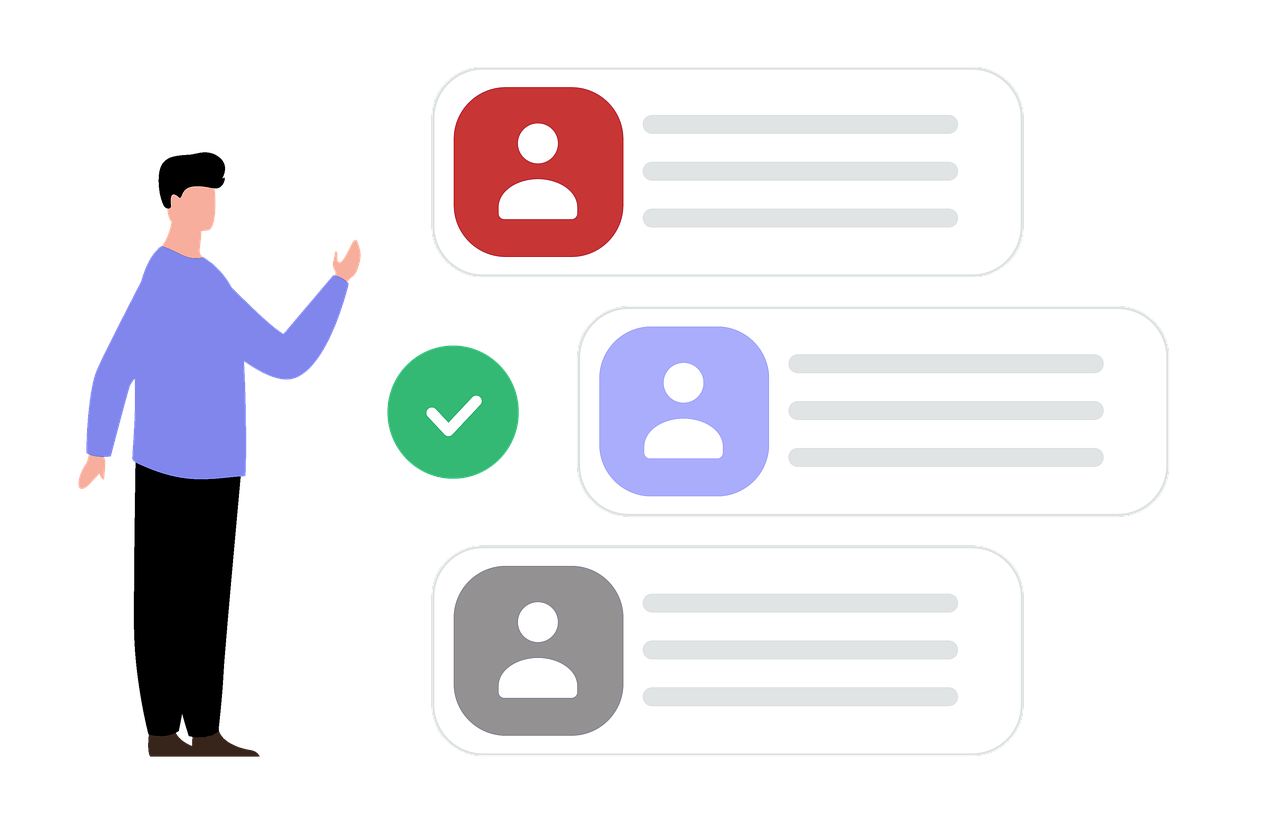
Social media platforms usually provide various means to verify contacts. One effective approach involves leveraging the blue verification tick or badge that many platforms offer, which indicates an account’s authenticity. For instance, Twitter and Facebook have mechanisms in place to mark verified accounts. This gives reassurance that the profile represents a legitimate person or organization. Often, scammers will mimic these accounts, so cross-referencing other details can help confirm legitimacy. Additionally, social media users should be aware of the risks associated with unsolicited messages. If you receive a message containing an intriguing proposal or offer, do not engage immediately. Instead, research the sender through a search engine or other sites to ascertain their veracity. It’s also important to pay attention to the language used in these messages. Poor grammar and spelling errors can be a sign of phishing attempts. Engage with known contacts or reliable platforms to gather more information. Moreover, using reputation verification services can further bolster security protocols. Ultimately, proactively verifying messages protects not only personal information but also safeguards against broader security breaches.
Using Technology to Verify Authenticity
In our increasingly digital interactions, utilizing technology to verify the authenticity of social media messages can significantly reduce risks. There are multiple tools available designed to identify fake accounts and suspicious content. For instance, platforms like Fakespot and Scamwatch can analyze whether a profile or message is legitimate. Employing these tools adds an extra layer of scrutiny to online interactions, helping users to make informed decisions. Always ensure that your privacy settings are updated, restricting who can view your profile or contact you. Regularly auditing your friend or follower list can enhance security awareness. If you encounter profiles with no engagement or posts that appear recycled, consider them red flags. Approaching online relationships with a healthy dose of skepticism is crucial. Additionally, using secure communication channels for sensitive discussions can further limit exposure to scams. When in doubt, confirm suspects through trusted sources before responding. Training employees or family on spotting scams can be advantageous too. Remember, a proactive approach in leveraging technology ensures safer interactions, creating a more secure online environment for everyone.
Establishing a systematic approach to verifying messages can streamline the authentication process. Start by identifying the source of the communication to establish its credibility. Reliability may also derive from contextual significance; for instance, unknown contacts reaching out during a crisis may warrant closer examination. Reviewing their message history for similar communications can provide insight. Taking screenshots of any suspicious interactions is also advisable, as this evidence can be beneficial if further investigation is necessary. Implementing a communication policy within organizations can effectively manage such instances, guiding employees to verify before responding. Furthermore, setting up alerts for unfamiliar social media activities can help track potential intrusions. Encourage team members to report possible scams or fake profiles, creating a healthy environment of vigilance. Last but not least, educating oneself and others on current scam trends enhances overall awareness. Regularly referring to cybersecurity resources will ensure that you remain informed about the latest techniques employed by fraudsters. This knowledge can be pivotal in recognizing potential threats, ultimately fostering a safer online community.
Creating Awareness on Social Media Security
Building awareness regarding social media security is essential by promoting responsible usage. It begins with understanding that authenticity must always be verified before engaging with a contact. Users should familiarize themselves with common signs that hint towards scams. For example, uninvited messages that involve urgent financial needs or strange requests should raise suspicion. Educational campaigns through webinars, blogs, or community events can enlighten individuals on recognizing these risks. Furthermore, encouraging discussions on personal experiences regarding scams can cultivate insight into how various attempts occur. Developing a culture that prioritizes verification can significantly decrease incidents of fraud. This social media-oriented vigilance aids not only individuals but also businesses in safeguarding their reputations. Collaborating with local law enforcement on training sessions may also be beneficial. Providing tangible examples of social media scams makes the training more effective. Besides, maintaining a dialogue around staying updated with changing techniques used by scammers can preempt fraudulent activities. Ultimately, the goal is to ensure that verification becomes second nature, turning awareness into action.
Maintaining an open channel of communication with friends and family regarding online security is crucial. Sharing knowledge about recognizing authentic interactions can empower everyone involved. Regular discussions regarding any concerns in online practices help create a network of trusted verification among contacts. Moreover, being aware of current events tied to social media scams enables individuals to better identify misleading messages. For example, fraudsters often adapt their methods according to ongoing news stories, utilizing current events as bait to lure unsuspecting users. It is essential to monitor these trends actively. Encourage friends and family to practice sending test messages by engaging only through known channels. Verifying through phone calls when a message seems suspicious can reduce chances of falling victim. On platforms like WhatsApp, users can also utilize the ‘last seen’ feature to ascertain activity. Trusting gut instincts should never be underestimated; if something feels off, it likely is. Instilling a culture of caution among close contacts not only enhances personal security but creates a ripple effect fostering broader awareness across networks, thus reducing incidences of fraud overall.
Final Thoughts on Social Media Verification
As the digital world continues evolving, understanding how to verify the authenticity of social media messages and contacts is imperative. Emphasizing a multifaceted approach can significantly mitigate the risks associated with deceptive practices online. The collaboration between personal initiative and widespread awareness is pivotal. For instance, individuals should combine habitually checking their settings while sharing knowledge about authentication methods. Adopting best practices like avoiding sharing sensitive information through unsecured channels is also key. Promoting vigilance among users creates an environment less conducive to fraud. Engaging in community discussions or forums can further enhance this collective understanding. Moreover, regularly updating oneself on emerging threats or scam tactics ensures preparedness. This may involve subscribing to cybersecurity newsletters or following relevant online communities. Ultimately, the goal is to foster a proactive mindset around social media interactions. The elimination of complacency and the cultivation of a cautious perspective can not only safeguard personal data but strengthen communal security. By integrating these practices into everyday social media usage, everyone can collectively build a safer online atmosphere.
This is another paragraph with exactly 190 words…