
The Growth of Mobile Social Media Messaging Applications: Usage Statistics
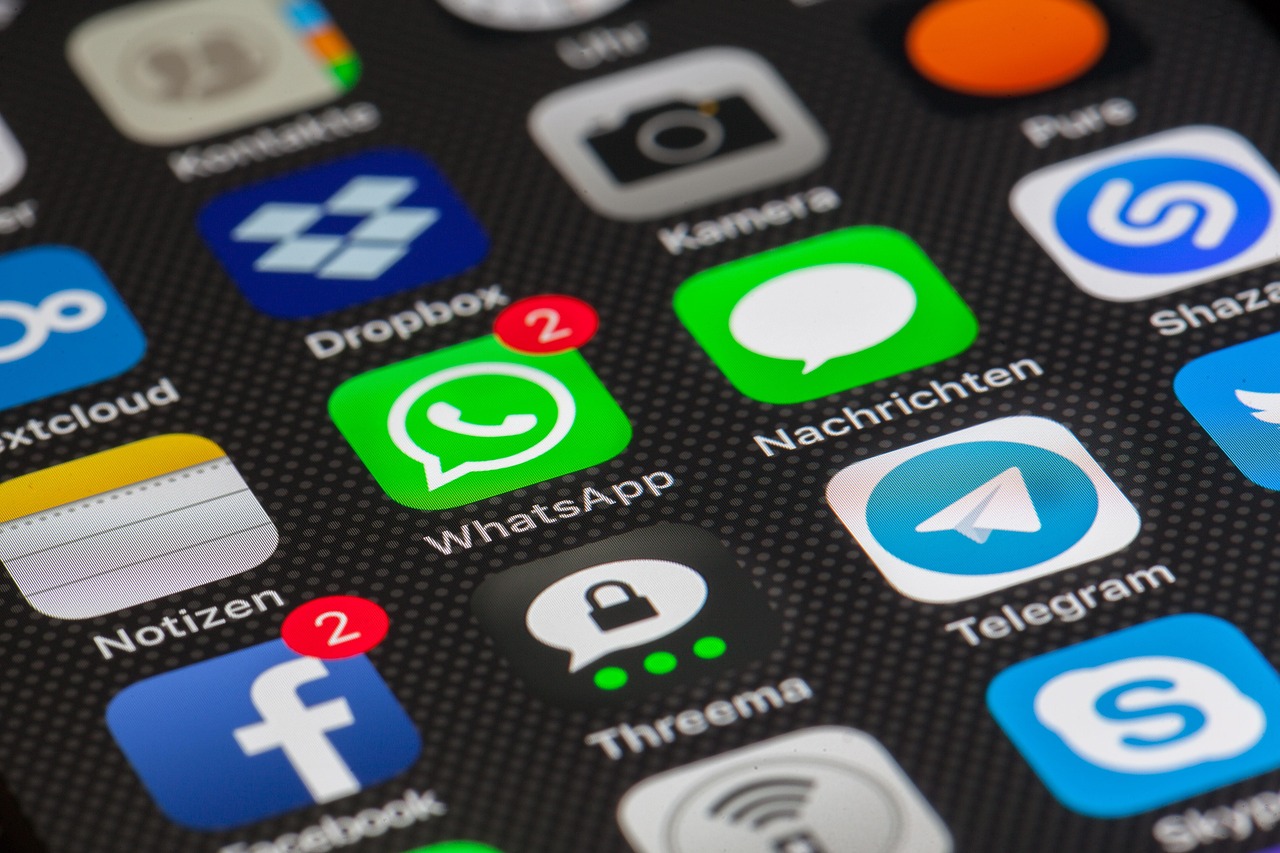
Mobile social media messaging has seen exponential growth over the past few years, with statistics revealing a significant increase in user engagement across various platforms. These applications, which include services like WhatsApp, Facebook Messenger, and WeChat, cater to a wide audience looking for instant communication. According to recent reports, more than 80% of social media users now regularly use messaging apps, which has transformed how people interact both personally and professionally. The average daily time spent on these apps has skyrocketed, suggesting that users prefer quick exchanges over traditional forms of social interaction. Furthermore, mobile messaging applications have introduced unique features such as video calling, voice messages, and stickers to enrich conversations. These advancements have created a vibrant social ecosystem where users can express themselves creatively and conveniently. This trend is not limited to younger generations; older demographics have increasingly adopted messaging applications as they become more familiar with digital communication. Such statistics set the stage for a deeper analysis of the ongoing trends in mobile social media messaging, which continue to redefine our communication landscape.
As the statistics reflect a steady rise in mobile social media usage, it is crucial to observe user demographics to understand better who engages with these platforms. Research indicates that younger users lead the charge, with approximately 90% of individuals aged 18 to 29 utilizing messaging apps to connect with friends and relatives. However, what may be surprising is the stat that around 70% of users aged 30 to 49 are also adapting quickly to mobile messaging. This indicates a shift where different age groups are converging onto the same platforms, fundamentally altering social media dynamics. Furthermore, the geographical distribution of these users shows that North America, Europe, and parts of Asia have high engagement levels, while African and South American countries are rapidly catching up. The accessibility of smartphones and data plans has contributed significantly to this growth. Additionally, businesses are noticing these trends as they look to leverage messaging platforms for customer service and engagement. As a result, messaging applications are not just preferred for personal use but are evolving into powerful tools for brands and enterprises alike, now ranking among the top mobile applications worldwide.
When it comes to messaging applications like WhatsApp and Facebook Messenger, user engagement is unprecedented. Users spend an average of 30 minutes daily on these platforms, which highlights the importance of effective communication in modern-day life. Messaging apps serve as essential tools to maintain both social and professional relationships, offering functionalities such as group chats, multimedia sharing, and even business interactions. For example, WhatsApp has seen usage soar, with over 2 billion active users worldwide. Group messaging has become increasingly popular, enabling users to connect with many people simultaneously. It facilitates planning events, sharing news, or simply catching up among friends. As these apps continue to innovate, they integrate features such as end-to-end encryption and personalized stickers to enhance user experience. The convenience offered by mobile messaging applications is also a key factor contributing to their popularity, enabling quick access to friends, family, and colleagues, thereby creating a more connected global community. This level of accessibility is anticipated to drive even higher usage rates as smartphone penetration deepens, making these apps a central part of users’ daily routines now and in the future.
Shifts in User Behavior and Expectations
Alongside growing engagement, shifts in user behavior are also noteworthy in mobile social media messaging. Studies suggest that users increasingly prefer expressing themselves through visually rich content rather than long textual messages. Features such as gifs, emojis, and stickers have become integral to online interactions, allowing users to add personality and emotion to their conversations. This evolution reflects broader trends in digital communication, where brevity and visual storytelling are paramount. Additionally, users demand quicker response times, expecting almost immediate feedback on their messages. Whether for personal or professional reasons, the expectation is that communication should be seamless, prompting platforms to enhance notifications and connectivity features. The rapid pace of modern life has led to a reliance on these messaging services to minimize delays, whether discussing work projects or planning social gatherings. Moreover, users now actively seek features that directly improve convenience; for instance, in-app shopping and booking services are rising. These behaviors are influencing how platform developers tailor their offerings and expand functionalities, reinforcing the role of messaging applications in daily interactions and commerce.
The role of privacy and security has emerged as a paramount concern among users of mobile messaging applications. With increasing reports of data breaches and cyber incidents affecting social media platforms, users are more vigilant about their data safety. Features like end-to-end encryption are now standard offerings, aimed at providing users with peace of mind regarding their sensitive information. Messaging apps such as Signal and Telegram have gained followers largely due to their focus on privacy. According to user feedback, a significant number of individuals switch platforms, gravitating toward those perceived as more secure. Furthermore, brands that prioritize transparency in their privacy policies tend to build greater trust amongst their audiences. Consequently, user retention hinges not just on functional offerings but also on perceived security measures. This shift is impacting marketing strategies as brands must navigate the fine balance of targeting users without compromising their privacy preferences. Hence, addressing security concerns is not merely a best practice; it has become necessary for maintaining competitive advantage and customer loyalty in this space.
Impact of Mobile Messaging on Businesses
The impact of mobile social media messaging on businesses is growing, as brands adopt these platforms to foster better customer engagement. Statistics show that over 60% of businesses are now utilizing messaging apps for customer service, revolutionizing how customers interact with brands. Through real-time responses and personalized interactions, companies can build tailored experiences that resonate with their clientele. Apps allow proactive customer support, enabling businesses to anticipate needs and resolve issues instantly. Moreover, features such as automated responses and chatbots are becoming increasingly popular, assisting companies further in enhancing their efficiency. Studies reveal that customers prefer messaging to traditional email or phone interactions, demonstrating a shift toward quicker communication styles. Mobile messaging thus equips businesses with tools to maintain continuous dialogues with their audience, fostering loyalty while streamlining operational strategies. As businesses embrace these innovations, they can analyze engagement patterns and adapt their communication strategies accordingly. The result is a more connected and responsive relationship between brands and customers, essential in today’s fast-paced digital market where instant gratification is a key expectation.
Overall, the statistics on mobile social media messaging reveal a fascinating landscape characterized by rapid evolution and user-centric developments. The fusion of user preferences with technological advancements is shaping how we communicate, share, and interact online. Messaging applications are transforming from mere communication tools into comprehensive platforms for social interaction, e-commerce, and customer service. The emphasis on user experience and engagement is evident, as companies continue to innovate based on user feedback and behavior. Statistics show that as adoption rates soar, users increasingly rely on messaging apps for various daily tasks and interactions. Looking ahead, the emphasis on community, security, and convenience will likely define the next wave of mobile messaging trends. As more individuals and businesses embrace these applications, the messaging landscape stands poised for further transformation. Organizations that harness these trends effectively will not only enhance their communication strategies but will also forge lasting connections in an ever-evolving digital environment. The future of mobile messaging is undoubtedly bright, setting the stage for continued growth and adoption across the globe.
In conclusion, the growth of mobile social media messaging applications serves as a testament to the changing ways we connect and interact in the digital era. The statistics we’ve explored highlight a clear trend in user engagement coupled with evolving expectations and preferences. The convenience of mobile messaging, coupled with the rapid adoption of new features, drives user loyalty and participation across various demographics. Understanding these patterns is essential for businesses seeking to navigate the digital landscape effectively. As mobile messaging applications continue to integrate innovative functionalities, they will remain at the forefront of our communication strategies, bridging gaps between personal and professional interactions. With the importance placed on privacy and security, brands must also ensure that they cultivate trust among their audiences to maintain a competitive advantage. The continuous evolution of these platforms reflects broader societal changes in how people seek connection and engagement. Therefore, it is imperative that both users and brands alike remain informed and adapt to these trends, ensuring they harness the full potential that mobile social media messaging applications offer in today’s fast-paced world.