
Tracking Conversions from Influencer Marketing Efforts
Influencer marketing has become a pivotal strategy for brands aiming to amplify their reach and connect with target audiences. In recent years, the importance of tracking conversions from influencer campaigns has soared. Understanding the direct impact of these partnerships helps brands allocate their resources effectively. To achieve this, businesses need to implement robust analytics tools that can measure various key performance indicators (KPIs). These may include engagement rates, click-through rates, and ultimately conversions. Influencers can drive traffic to a brand’s site or products, and measuring this impact is crucial for return on investment (ROI). If brands can quantify their successes, they can refine their strategies continually based on data analysis. Moreover, leveraging technologies like tracking links and UTM parameters can provide deeper insights to brands. It is significant not only to track conversions but also to analyze the data in real-time. This can help brands adjust their campaigns on the fly effectively. With the right analytics platform, businesses can ensure that their influencer partnerships yield significant results over time and cultivate a successful relationship with influencers.
Furthermore, it is vital to note that conversion tracking requires careful planning and execution from the outset of the campaign. Brands should establish clear objectives for every influencer collaboration, doing so allows them to set benchmarks. These benchmarks act as a guide for what success looks like and aid in evaluating performance. Once goals are set, brands can then focus on the specific metrics they want to measure. For instance, tracking how many users clicked on a particular promotional code shared by an influencer can be an effective way to measure success. Additionally, utilizing custom landing pages for different influencers can provide insights into each campaign’s performance. These pages can help brands collect data on user interactions and conversions. To further enhance tracking efforts, brands can engage their influencers by including call-to-action (CTA) prompts within their content. Encouraging followers to visit a specific page can significantly enhance the likelihood of conversions. Using digital marketing governance, companies can ensure streamlined tracking and reporting processes, enabling efficient might through the analysis of influencer partnerships.
Utilizing Advanced Tools for Effective Analytics
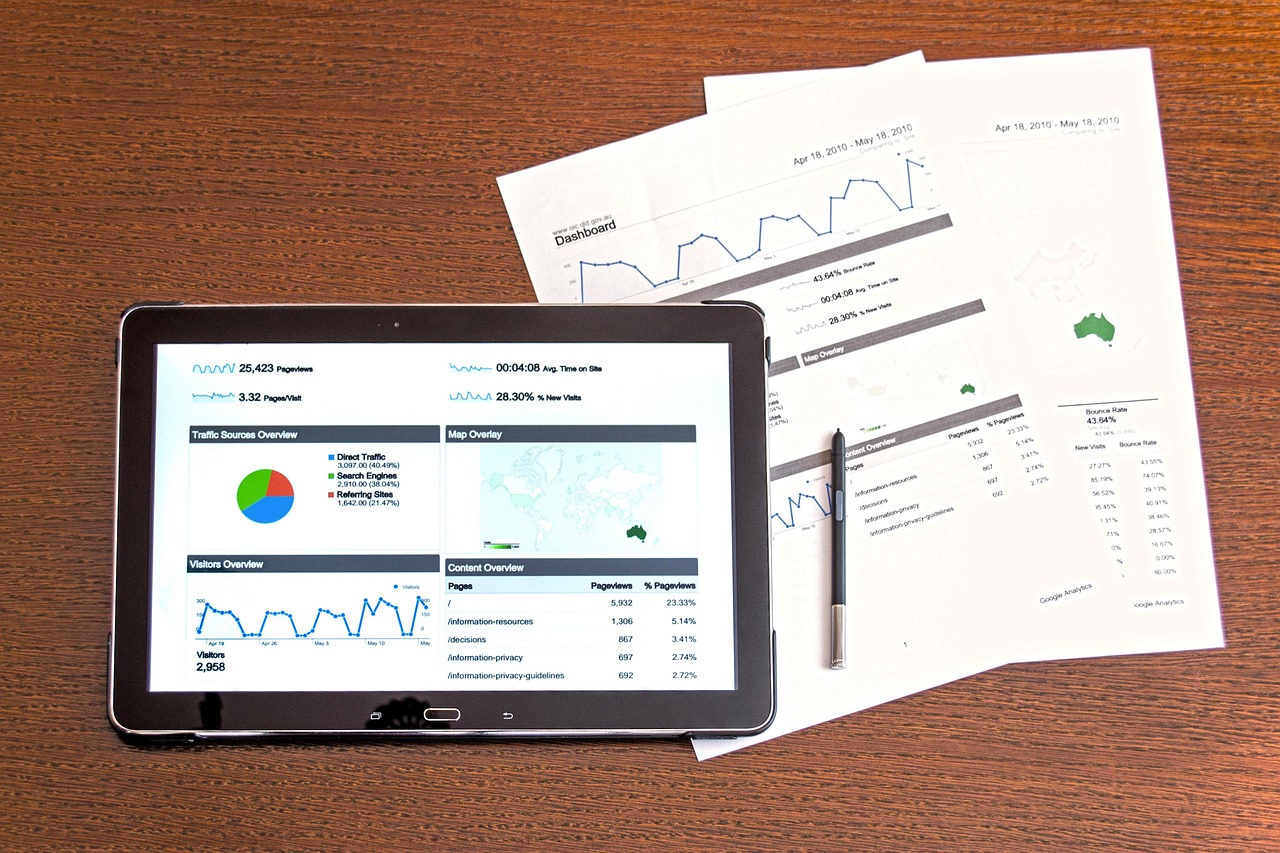
Numerous advanced analytics tools available can simplify the task of monitoring influencer marketing outcomes. Platforms like Google Analytics assist brands in tracking web traffic from various sources, including social media influencers. These tools can provide a clear picture of how influencers drive engagement and conversions. Custom dashboards can also help visualize the effectiveness of different campaigns easily. Moreover, brands have the choice of using dedicated influencer marketing platforms that specialize in content performance analysis. These platforms typically offer built-in tracking features designed to monitor influencer ROI accurately. They can provide insights into follower demographics, engagement rates, and audience interactions. When selecting an analytics tool, brands should prioritize ease of use, cost-effectiveness, and the ability to provide actionable insights. The right tool will empower brands to optimize their future campaigns based on historical performance data. Regular evaluation and adjustment based on analytics can significantly contribute to sustained success in influencer marketing efforts. By staying agile and receptive to data, brands can ensure they remain competitive and derive the maximum benefit from their influencer collaborations.
An additional best practice involves setting up clear communication with influencers concerning performance measures. Transparency about objectives, expectations, and data-sharing protocols can facilitate a successful partnership. Brands should encourage influencers to utilize unique tracking links to gauge user behavior effectively. These links ensure that brands gain valuable insights into audience actions following influencer recommendations. Monitoring social media mentions, engagement, and direct traffic during campaigns can provide further clarity on their effectiveness. Furthermore, brands should not underestimate the potential of sentiment analysis tools. These tools can evaluate audience reactions to influencer content, allowing businesses to understand public perception better. Assessing qualitative data alongside quantitative metrics can yield a comprehensive view of campaign success. Beyond conversions, examining customer feedback and brand mentions post-campaign can refine future strategies significantly. Brands may choose to periodically assess overall partnership performance through surveys or interviews with influencers. This collaborative feedback loop will help identify areas for improvement and foster deeper relationships with influencers over time.
Measuring Long-term Impact of Influencer Collaborations
While tracking immediate conversion rates is crucial, evaluating the long-term impact of influencer collaborations deserves equal attention. Brands should study how their engagement with influencers contributes to sustained growth over time. It is important to recognize that some conversions may occur well after an influencer’s content has been posted. Metrics such as repeat purchases, brand loyalty, and customer lifetime value (CLV) reflect the enduring effects of influencer marketing. To capture this value, brands must implement long-term tracking systems that extend beyond immediate transactions. By analyzing user behavior over several months, companies can derive insights into the lasting effects of their influencer outreach efforts. Additionally, incorporating customer surveys and feedback forms can yield additional metrics about brand perception linked to influencer marketing. With these insights, brands can tailor their messaging and overall marketing strategies to nurture audience relationships. Understanding how influencer campaigns shape brand affinity helps inform future collaborations, allowing brands to create a system for sustained interaction with their preferred audiences. A focus on both immediate and long-term outcomes ensures ongoing success for influencer-driven marketing initiatives.
Another essential aspect of converting influencer impressions into sales is audience alignment. Brands must carefully analyze and select influencers whose audiences closely match their target demographics. Conducting thorough research on an influencer’s audience, engagement history, and level of authenticity can provide valuable insights. Brands should prioritize working with influencers who engage their followers with authenticity. This type of genuine connection leads to increased trust, and consequently, it enhances conversion rates. Additionally, the frequency and timing of posts by influencers can significantly impact conversions. Hence, brands must monitor the effectiveness of campaigns over various times and seasons as well. A well-timed promotion during a peak shopping season can substantially elevate conversion potential. Taking a segmented approach to tracking conversions can help in ascertaining which influencer campaigns yield the best results based on their timing and content. Utilizing personalized approaches by offering unique promotions to followers of specific influencers may further enhance conversion rates. Every engagement provides an opportunity for brands to learn more about what resonates with their audience, creating a more targeted approach for future engagements.
Final Thoughts on Influencer Marketing Analytics
In conclusion, tracking conversions and influencing analytics is paramount for brands engaging in influencer marketing. As this field evolves, embracing comprehensive strategies for measurement remains imperative. Brands are tasked with not only finding the right influencers but also determining the effectiveness of each partnership through meticulous tracking of key metrics. By leveraging the right tools, fostering open communication with influencers, and assessing both immediate and long-term effects, brands can realize substantial returns from their marketing campaigns. Close attention to audience alignment and behavioral changes can also provide insights that lead to maximized conversions. A blend of data-driven strategies alongside heartfelt collaborations leads to the most fruitful partnerships in the influencer marketing sphere. In practice, success is not merely about having influencers promote products; it is about crafting genuine relationships that resonate with audiences. Thus, brands equipped with insightful analytics will continue flourishing in the influencer marketing landscape. By adapting and refining their strategies continually based on data, companies can ensure their influencer marketing initiatives thrive and contribute sustainably to their overall business objectives.
Ultimately, the journey of mastering influencer marketing analytics is ongoing and ever-changing. Brands are encouraged to stay updated with the latest trends and technological advancements in analytics that directly impact their tracking capabilities. Embracing innovation and adjusting to evolving consumer behaviors will drive continued success in campaigns. The world of influencer marketing is dynamic and requires agility from brands looking to capitalize on emerging opportunities. Engaging with real-time analytics would allow brands to pivot their strategies as needed efficiently. As influencer marketing continues to evolve, the importance of conversions will only become more significant. Brands that remain dedicated to refining their tracking processes will be best positioned to leverage the power of influencers effectively. The marriage of creativity and analytics in this space can lead to unprecedented levels of engagement and conversion rates. Both brands and influencers play pivotal roles in achieving this success, ensuring that collaborations yield mutual benefits. By enhancing their understanding of influencer marketing analytics over time, brands will be equipped to navigate the complexities of this landscape with confidence and enthusiasm.