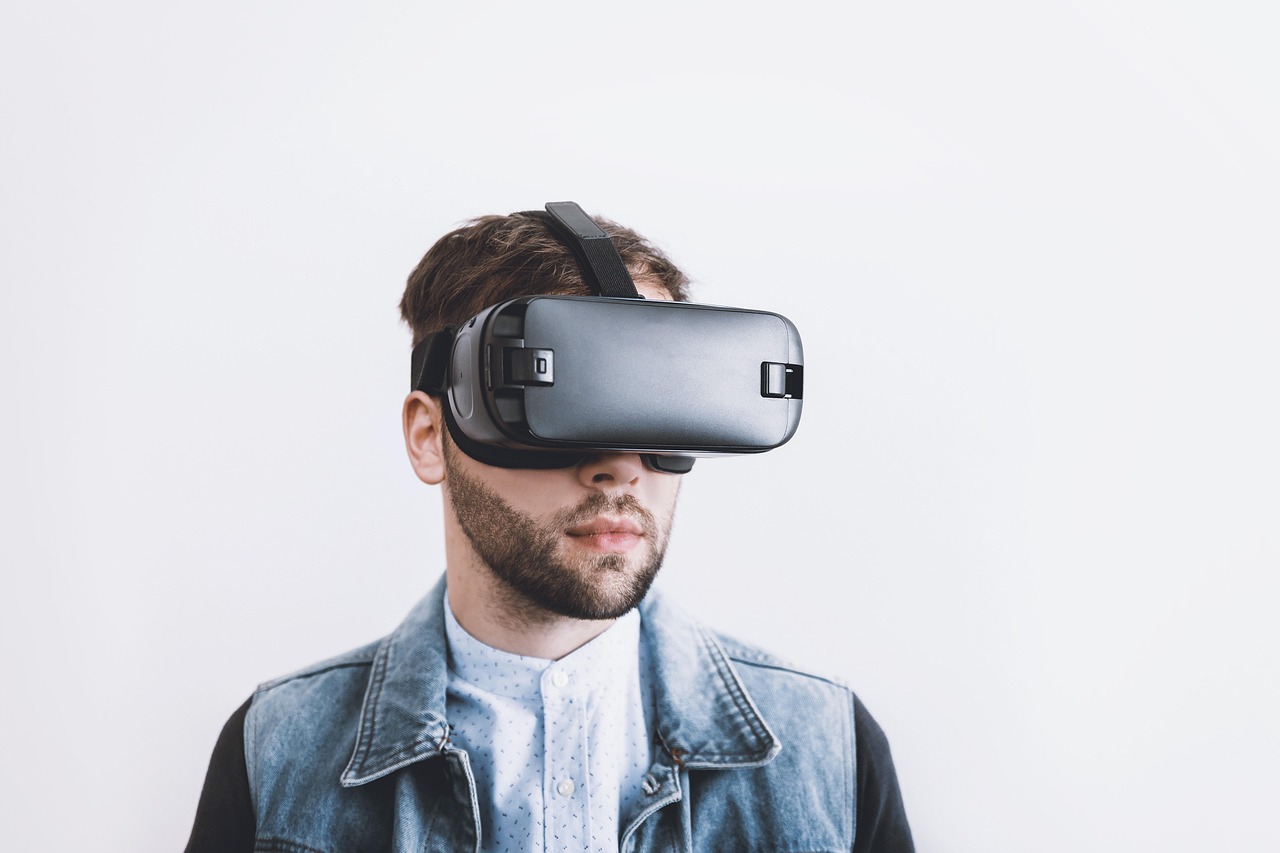

The Role of Virtual Reality in the Future of Mobile Social Media
The integration of Virtual Reality (VR) into mobile social media marks a substantial shift in how users interact. This evolution enables immersive experiences, allowing individuals to explore virtual environments collaboratively. Users will enjoy enhanced engagement through interactive events, where they can attend virtual concerts or conferences from their mobile devices. Platforms such as Facebook and Instagram are already experimenting with VR features, aiming to captivate audiences through 3D content. These innovations can lead to new ways of storytelling by utilizing immersive storytelling techniques. As VR increases accessibility, brands are investing heavily in creating VR content, seeking to capitalize on this growing trend. Marketers must adapt to these changes by crafting immersive experiences that resonate with their target audiences. Furthermore, the development of VR-compatible devices will promote the widespread adoption of technology, pushing conventional social media to the backseat. Users will expect more personalized experiences as VR becomes commonplace. VR’s ability to break geographical barriers has the potential to reshape social interactions in our digital landscape. This paradigm shift will also invite a new layer of creativity and innovation among content creators that previously seemed unimaginable.
The possibilities of integrating VR into mobile social media do not stop at just engaging content. VR can significantly enhance user-generated content by allowing users to create and share their own virtual environments. Imagine users uploading personal VR clips that can showcase their life experiences or artistic creations. This development will encourage a new type of social sharing where interactions transcend traditional text and image-based formats. As a result, the competition among platforms to offer innovative tools that support VR content creation will intensify. Users will demand intuitive interfaces that make VR content creation accessible, inspiring a wave of new applications tailored for non-experts. Additionally, the evolution of VR headsets is expected to improve their compatibility with mobile devices, which will enhance user experience. Innovations such as lighter designs, wireless capabilities, and affordable pricing will make VR headsets more accessible. The improvement in hardware will encourage more users to engage with VR content, leading to explosive growth in mobile social media. As such, advertising strategies must shift to accommodate VR, enabling businesses to create immersive campaigns that resonate within virtual spaces effectively. This transition promises to redefine user connectivity within the digital landscape.
Anticipating the Impact on User Behavior
The impact of VR on user behavior within mobile social media will be profound. Traditional liking and commenting methods may evolve into interactive gestures and experiences, profoundly changing how feedback is communicated. VR could introduce new social dynamics where the act of sharing becomes more personal and emotionally resonant. This transformation will result in users feeling more connected to their friends, as digital interactions increasingly replicate physical nuances. The addition of virtual presence allows users to feel as if they are together, even when separated by great distances. Consequently, this fosters deeper relationships among users who share VR experiences together. As interactions become more immersive, the expectations for content quality will also rise. Users will seek authentic and high-quality VR experiences that engage them on multiple sensory levels. The platforms that prioritize these experiences will succeed in keeping their users engaged longer. Moreover, evolving social norms around inclusivity and accessibility through VR will challenge developers to create universal experiences. Inclusivity ensures that all users, regardless of physical capabilities, can participate in and enjoy virtual environments, enhancing the overall mobile social media landscape significantly.
Moreover, the gamification of social media through VR could create a compelling blend of entertainment and social connectivity. Platforms may introduce game-like features where users can compete or collaborate in virtual spaces, engaging with each other in more active, fun ways. Users might participate in challenges or friendly competitions that foster community while enjoying immersive experiences. With these developments, brands will find new avenues to create loyalty programs rooted in social VR interactions. This gamification will also help businesses tap into younger demographics that naturally gravitate towards interactive and engaging experiences. By doing so, brands will craft campaigns that resonate well with users in a memorable manner. As this trend develops, companies could experiment with monetization strategies within virtual experiences, such as selling virtual goods. The incorporation of e-commerce into social experiences allows users to make purchases seamlessly while immersed in content. The possibilities for monetization in VR are boundless, ranging from virtual meet-and-greets with influencers to branded virtual events. Therefore, both creators and brands must adapt quickly and innovate their approaches as VR continues to reshape mobile social media landscapes in the coming years.
Challenges to Overcome
As we forecast the future impact of VR on mobile social media, certain obstacles must be addressed. Technical challenges, including bandwidth limitations and device compatibility, may hinder smooth user experiences if not resolved. To deploy VR experiences, users will require robust internet connections and advanced mobile devices capable of handling VR content. Developers must also tackle user interface issues, ensuring that intuitive navigation strengthens engagement. If the technology is perceived as challenging or too complex, user interest may wane. Additionally, privacy concerns surrounding VR must be acknowledged as users share more personal data in immersive environments. Apps that correctly manage these vulnerabilities will gain user trust and respect. Competition between platforms could intensify, causing companies to compromise user experience for the sake of rapid development. To maintain user loyalty, this must be avoided. There will be a growing pressure for platforms to implement ethical standards that safeguard user data while delivering engaging VR and mobile social media experiences. As combatting misinformation remains crucial, VR technologies will also need to incorporate stringent fact-checking systems to protect users from harmful content.
Overall, the future convergence of mobile social media and VR presents a unique opportunity to enrich digital connectivity. Users are likely to embrace immersive experiences, increasing the time spent on platforms and nurturing a sense of community. Virtual environments can serve as social hubs, where users of diverse backgrounds come together to share interests, hobbies, and experiences. This unification allows for breaking cultural and geographical barriers among users who ordinarily might not interact. As creativity flourishes in these virtual spaces, new forms of expression and storytelling will emerge. Communities organized around shared interests may thrive, spawning entirely new social norms and relationships in the digital era. As VR continues to develop, agencies and marketers must seamlessly integrate their strategies to ensure they connect with users meaningfully. Potential collaborations among content creators, charity organizations, and non-profits will also arise, creating unique opportunities for engagement in virtual environments. The recalibration of mobile social media through VR is inevitable, opening the doors to novel experiences that enrich lives. This convergence can redefine how we perceive and interact with our social networks and ultimately create a more unified, interactive society.
Conclusion: Embracing the Future of Interaction
In conclusion, embracing the role of Virtual Reality in mobile social media presents both possibilities and challenges ahead. As platforms continue to innovate, user experience must remain at the forefront of development to maintain user interest. The immersive capabilities offered by VR will revolutionize how individuals connect, share, and interact in digital spaces. Businesses that strategically consider VR will enjoy significant benefits as they navigate the rapidly evolving landscape of mobile social media. The convergence of these technologies has the potential to reshape social dynamics, enabling users to forge deep connections and engage authentically. Content creators and marketers must stay ahead of trends, focusing on producing high-quality VR experiences that resonate deeply with users. Nevertheless, attention must be given to ethical considerations, including data privacy and responsible content management. Ensuring that technology benefits all users is crucial for maintaining trust. As this arena continues to develop, continuous feedback and adaptation will guide the evolution of mobile social media. A forward-thinking approach will help to harness the power of Virtual Reality for a connected and enriched digital experience.
The journey into the future of mobile social media powered by VR is just beginning. Users should remain open to innovation while understanding that technological evolution takes time. As brands, developers, and users participate in shaping the digital landscape, collaboration will foster healthier online environments. Encouraging diverse perspectives on VR’s role will promote innovation that benefits everyone involved. As we forge ahead into this exciting intersection of technology and social media, one cannot overlook the importance of creativity and adaptability. With every challenge faced, there lies an opportunity for growth, allowing both personal and communal spaces to flourish in virtual settings. The burgeoning relationship between VR and mobile social media will alter daily interactions profoundly, making them more meaningful and engaging. For users eager to engage in these evolving platforms, preparation for new experiences, iterations, and seamless adaptations will be vital. The anticipation surrounding VR integration in social media illustrates our innate desire to connect and share. The evolution of mobile social media will surely lead to enriched digital experiences filled with authenticity and connection as we embrace the advancements on the horizon.