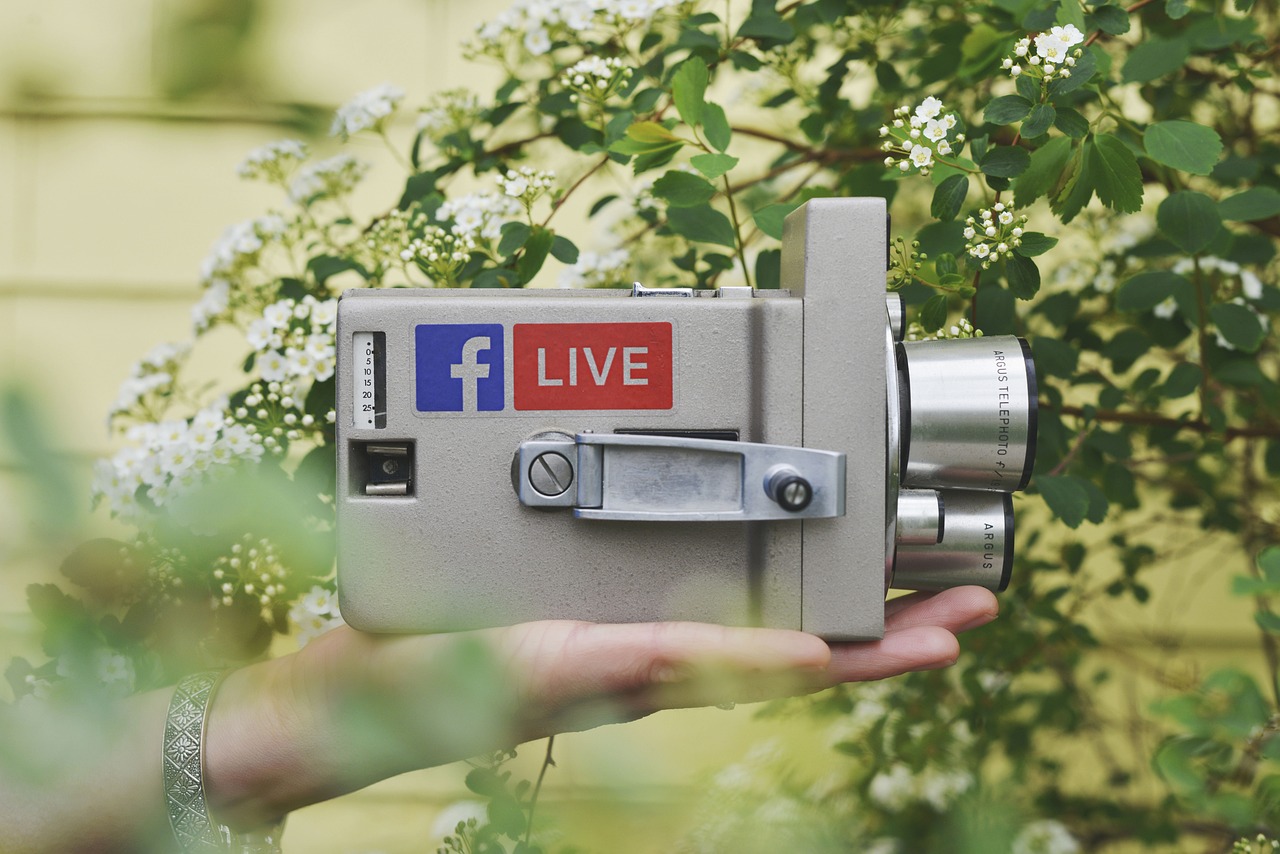

Facebook Live for Real-Time Fundraising Events: Nonprofit Experiences
Facebook Live has emerged as a powerful tool for nonprofits to engage supporters, spread awareness, and raise funds in real-time. Many organizations have adapted their fundraising strategies to include live streaming, allowing them to connect with donors on a personal level. This innovative approach enables nonprofits to showcase their missions while fostering a sense of community among viewers. Using Facebook Live, nonprofits can also share behind-the-scenes content that humanizes their work, encouraging donations. For example, during a recent live event, a nonprofit highlighted their beneficiaries’ stories while showcasing their impact. The instant engagement provided by real-time comments and reactions can motivate viewers to contribute. Additionally, utilizing on-screen graphics can entice immediate donations, creating a sense of urgency. By actively promoting an upcoming stream through posts and stories, organizations can create anticipation and engagement before the event even starts. To maximize reach, collaborating with influencers or local celebrities can exponentially increase audience size. By leveraging Facebook Live technology, nonprofits have demonstrated the efficacy of adapting to the digital landscape.
Through targeted storytelling, nonprofits harness the power of Facebook Live to attract diverse audiences. Unique case studies reveal various strategies to engage viewers and secure funds. One inspiring case is a shelter that utilized Facebook Live to host an online pet adoption event. They highlighted several adorable animals, sharing their personalities and stories. During the live event, viewers could see each pet and interact through comments, prompting real-time engagement. This approach not only raised awareness about the animals in need but also resulted in numerous adoptions during the event. Achieving success, the shelter cultivated a community that felt connected to the mission. Integrating fun elements like giveaways or contests proved effective in maintaining engagement levels throughout the stream. Additionally, the live format encourages spontaneous interactions that foster a genuine atmosphere. Nonprofits can also ask viewers to share the event on their time-lines or send virtual “likes” to encourage donations. By tying these elements together, nonprofits can transform a standard fundraising event into an engaging and dynamic experience that resonates with audiences, promoting deeper connections to the cause.
For effective real-time fundraising, nonprofits should prioritize strategic planning before initiating Facebook Live events. This encompasses defining clear objectives, identifying their target audience, and designing captivating content that resonates with viewers. A comprehensive plan includes creating an engaging script that guides the flow of the presentation without limiting spontaneity. Additionally, ensuring a high-quality video and audio setup is essential for maintaining professionalism during the stream. Colorful visuals and interactive graphics can grab attention and maintain viewer interest throughout the event. Nonprofits must also build excitement in advance through social media reminders and teasers, encouraging followers to tune in. Testing the technical elements before going live will help minimize potential issues that may disrupt the flow of the event. It is vital to recruit enthusiastic staff or volunteers who are well-versed in the organization’s mission and can effectively drive engagement. Engaging the audience by responding to comments during the live event creates a sense of community, making viewers feel valued and fostering commitment to the mission. When executed well, these considerations transform Facebook Live events into memorable opportunities for nonprofits.
Interaction plays a crucial role during Facebook Live fundraising events for nonprofits. Engaging viewers encourages them not only to contribute financially but also to feel part of the organization’s mission. Nonprofits can foster a sense of inclusivity by addressing audience comments during the event, which connects them to the cause on a personal level. For example, encouraging viewers to ask questions or share their experiences can create a more dynamic environment. This approach establishes rapport with viewers and demonstrates transparency, boosting potential donor confidence. In addition, presenting donation milestones live can create excitement, making viewers eager to see if their combined efforts reach specific goals. Incorporating personal stories or testimonials from beneficiaries can further deepen emotional engagement, transforming the fundraising atmosphere. Organizations can also encourage viewers to share the event on their profiles, expanding reach beyond the immediate audience. Ultimately, fostering real-time engagement through direct interaction not only successfully motivates donations, but it also strengthens community ties, creating loyal supporters for the nonprofit.
Measuring Success after the Event
After a Facebook Live fundraising event, measuring success becomes essential for understanding its impact. Nonprofits should analyze key performance metrics such as viewer engagement and donation totals. Utilizing Facebook Insights can help organizations track audience metrics, including peak viewership times and comment interactions. This information provides valuable feedback to refine future streaming strategies. Additionally, monitoring the overall fundraising totals helps nonprofits assess the event’s financial effectiveness. Gathering qualitative feedback from viewers through surveys can reveal attitudes and suggestions to improve future events. Nonprofits can also evaluate the audience’s demographic data to tailor content to the right audience in subsequent streams. The reach of the event’s promotional content can be analyzed to assess its effectiveness in drawing viewers. Collecting data before and after the event allows organizations to identify patterns and optimize their approaches. In conclusion, analyzing performance insights is crucial for nonprofits seeking to enhance their fundraising efforts continually. By leveraging data-driven decisions, organizations can enhance their impact and raise vital funds for their missions.
Community building is a significant benefit when nonprofits utilize Facebook Live fundraising events. Through real-time interactions, organizations can cultivate a loyal supporter base that feels personally connected to the cause. For instance, a social service organization held a Facebook Live stream designed to engage with their local community regarding homelessness awareness. By encouraging stories from viewers and directly addressing questions, they created an open dialogue. This authenticity resonates with supporters, fostering relationships built on trust and transparency. Continuing the conversation beyond live events enables ongoing engagement—utilizing follow-up posts or surveys to maintain interest and interaction. Encouraging viewers to become advocates for the organization in their circles amplifies overall outreach effort. Moreover, showcasing their supporters and volunteers enables nonprofit organizations to highlight the collective effort behind their mission. As supporters become more invested in nonprofit initiatives, they are more likely to donate, volunteer, or advocate. Developing an online community through Facebook Live showcases the organization’s authenticity and commitment to engaging its supporters. In the long run, nurturing these relationships solidifies sustained and meaningful connections.
Overall, utilizing Facebook Live for fundraising events presents unique opportunities for nonprofits to reach their goals. The innovative approach not only generates real-time engagement but also strengthens community bonds with supporters. By adapting to the digital landscape and incorporating live-streaming strategies, nonprofits can enhance their fundraising efforts. As the digital era evolves, so must the strategies that organizations employ to connect with their audiences effectively. Leveraging analytics, innovative content strategies, and real-time interaction paves the way for impactful fundraising events. Nonprofits that successfully navigate these shifts will find their reach expanding while building a loyal base of support. Looking ahead, the fusion of technology and nonprofit objectives will play a crucial role in shaping the future of fundraising efforts. By investing time in practice and learning from past experiences, organizations can optimize their Facebook Live events, ensuring sustained engagement and success. In conclusion, by embracing this technology, nonprofits can revolutionize their approach to fundraising, providing inventive ways to connect and engage with their supporters.
The importance of storytelling in engaging audiences cannot be overstated. Nonprofits thrive on emotional connections that fuel support for their causes. Telling compelling, authentic stories during Facebook Live events resonates with viewers, inspiring them to take action. Narratives highlighting impactful moments involving beneficiaries evoke empathy and a desire to contribute. By sharing personal accounts of change, nonprofits illustrate the tangible results of donations. Creating emotional hooks through storytelling fosters deeper connections with audiences, enhancing their loyalty. Furthermore, integrating testimonials from supporters adds even more layers to the narrative. Encouraging viewers to share their stories fosters a reciprocal exchange of experiences that enriches the event. Nonprofits can utilize these stories to emphasize the transformative power of community involvement. Arts and creative expressions can also feature prominently, capturing attention throughout live events. Ultimately, the power of storytelling, combined with innovative fundraising techniques, positions nonprofits to inspire lasting connections. As organizations invest into qualitative storytelling, they enhance their strategies for engagement, build stronger connections, and ensure sustained support for their missions.