
How Influencers Can Respect Brand IP on Social Media
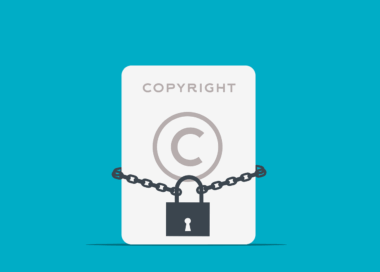
In the rapidly evolving landscape of social media, influencers play a significant role in shaping brand perception and consumer behavior. However, to maintain integrity and credibility, it is essential for influencers to respect intellectual property rights. This not only protects the creators’ work but also fosters a culture of trust and authenticity. Firstly, influencers should always seek permission before using copyrighted material, such as logos, images, or music, to avoid legal repercussions. This includes diligent research on copyright laws in their jurisdiction. Transparency builds trust, and when in doubt, reaching out for consent can save a lot of trouble later on. Additionally, it is important for influencers to give proper credit to original creators. This can be done by tagging the creator’s profile or simply mentioning their name in the post. Such actions not only honor the original artists but also help influencers establish a more thoughtful and respectful online presence. Cultivating this kind of atmosphere on platforms contributes to a vibrant ecosystem, which ultimately benefits both brands and qualified influencers alike.
Another crucial point is understanding the significance of watermarking and using licensed content. Influencers should be cautious about the images or videos they use in their posts. Using unlicensed or watermarked content can lead to serious ramifications and potential disputes. Platforms like Unsplash or Pexels offer royalty-free images that can be used without concerns about intellectual property infringement. While engagement is vital, it should not come at the expense of another individual’s creativity. Furthermore, influencers should always uphold the best practices when collaborating with brands. Establishing a clear agreement regarding the use of intellectual property can prevent misunderstandings. This includes how logo usage, style guides, and company visuals are to be incorporated in the influencer’s content. Communication with brands should be open and transparent to ensure that both parties are on the same page and to avoid any accidental misuse of IP. Influencers looking to maintain a good relationship with brands can start by adhering to these principles and ensuring that their content aligns with ethical practices.
The Importance of Licensing and Fair Use
Influencers must familiarize themselves with the concepts of licensing and fair use. Licensing is a legal agreement that allows individuals to use copyrighted material under specified conditions. Understanding the nuances of licensing can shield influencers from potential legal trouble. In contrast, the fair use doctrine allows limited use of copyrighted materials without permission under certain circumstances, such as commentary, criticism, or educational purposes. However, determining fair use can be complex, often requiring legal expertise. Therefore, when in doubt about using a particular piece of content, influencers must opt for caution. This protects both the influencer and the original creator. Moreover, it is crucial for influencers to stay updated about the evolving digital landscape, including changes in intellectual property laws. Following relevant legal updates ensures that influencers understand their rights and responsibilities, allowing them to continue to navigate the complexities of social media while respecting others’ creations. Furthermore, being proactive in learning about IP rights positions influencers as credible and responsible figures in the digital community.
Another vital aspect is the promotion of ownership and original content creation. By crafting their unique content, influencers can sidestep many IP-related dilemmas entirely. Authenticity resonates with audiences; thus, the more influencers invest in their creative work, the more likely they can create lasting connections and loyal followers. Engaging with their audiences through original graphics or videos not only showcases their creativity but demonstrates respect for the work of others. Furthermore, influencers should also guide their followers toward respecting IP. By sharing information about the importance of intellectual property and proper attribution, they can contribute to a positive digital environment. Encouraging fans to honor creators’ rights when sharing content builds awareness and a shared sense of responsibility. Influencers can consider creating educational posts highlighting how to appropriately credit original works, further solidifying their reputation as advocates of respect and integrity within the online community. The responsibility of maintaining ethical practices lies not only with influencers themselves but also in how they influence the behavior of their audience.
Engaging with Followers Responsibly
Building a positive relationship with followers goes beyond content creation; it requires active engagement and responsible communication. Influencers should be aware of their influence on others and strive to promote ethical practices in their communities. By encouraging followers to respect artists by crediting their work, influencers lead by example. It is essential to address any potential misunderstandings that arise from social media interactions. Misattribution can occur, and influencers must clarify these instances when they happen, showing that they value the work of fellow creators. Moreover, influencers are in a strong position to amplify voices in their niche by sharing others’ create works respectfully. They can enrich their engagement by organizing collaboration opportunities that highlight different creators and showcase their work. These collaborations help create a more interconnected community of creators and influencers that contribute mutually, promoting a culture of respect and cooperation. In such ways, influencers can be proactive in preserving the value of intellectual property while maintaining healthy relationships both with fellow creators and their audience.
Finally, influencers should conduct regular audits of their content to ensure compliance with IP regulations. By periodically reviewing past posts, they can check for potential copyright issues and rectify any conflicts. Documenting permissions and agreements related to brand partnerships protects influencers and shows commitment to ethical standards. Additionally, influencers need to be transparent about the content they create directly versus what is curated from other sources. Clearly distinguishing original from borrowed content is key to maintaining credibility among followers. Utilizing caption notes, links, or tags can help convey this message effectively. Affording transparency will enhance trust among audiences while setting a standard for ethical behavior within the community. In a realm dominated by user-generated content, influencers must rise to the occasion, becoming champions of respect for intellectual property. By taking these measures, they can establish themselves as role models, bearing an impact far greater than mere marketing. A successful influencer should be in harmony with creativity, collaboration, and conscious choices that promote respect for intellectual property.
Conclusion
In conclusion, respecting intellectual property on social media is a critical responsibility for influencers looking to build long-lasting relationships with brands and audiences. The principles outlined in this article cultivate a respectful digital space where creativity is celebrated, and original works are valued. To achieve these goals, influencers must be proactive in their approaches to content creation and consumption. The importance of seeking permission, providing proper attribution, and producing original content cannot be understated. Adopting suitable practices, influencers can navigate the complex world of social media while ensuring compliance with intellectual property laws. Additionally, by engaging followers responsibly, they contribute to a community that prioritizes respect and ethical behavior. Regular audits of past work amplify their commitment to these principles. The influence that each social media personality has should not be taken lightly; it resonates far beyond immediate interactions and impacts the overall environment of digital content sharing. Aspiring influencers should emphasize these key practices, ensuring a future landscape that genuinely values and respects intellectual property as a foundation for collaborative innovation and creation.