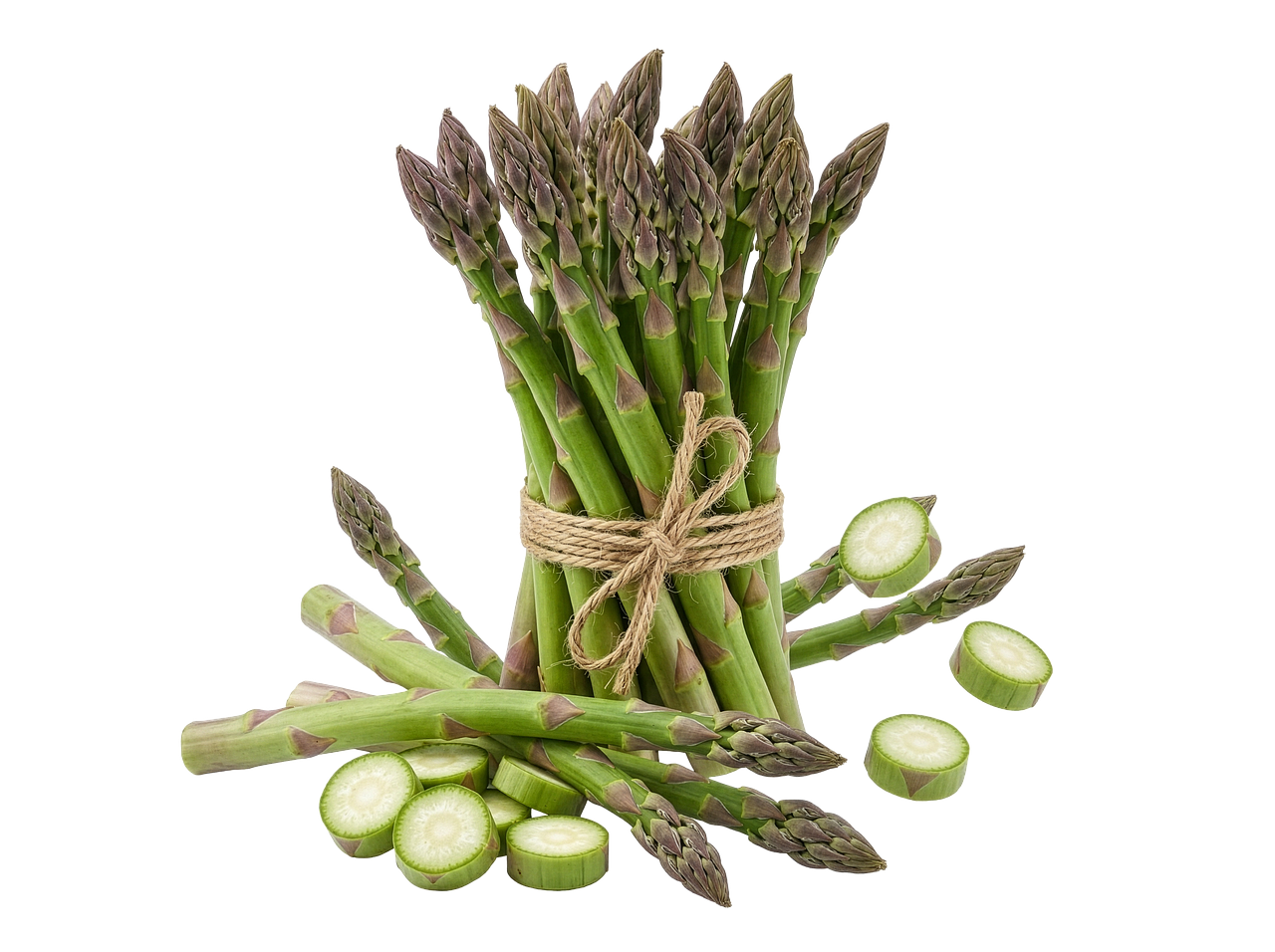

The Rise of Organic and Clean Eating Trends Among Social Followers
In recent years, there has been a noticeable shift in dietary preferences among social media followers. The popularity of organic and clean eating has surged as more individuals become conscious of their food choices. The growing awareness about the impact of diet on overall health has influenced many to explore healthier alternatives. Followers often share their experiences, leading to a more informed community about nutrition. Social media platforms serve as a catalyst for these discussions, enabling users to discover new eating habits. Influencers promoting natural foods and sustainable practices attract followers eager to embrace these lifestyles. This trend is not solely focused on health benefits; many also advocate for environmental sustainability. The connection between diet and climate change is increasingly emphasized among users. As followers post about their journeys into organic eating, they create a ripple effect on their networks. Such engagement often results in followers modifying their own dietary habits. As more individuals adopt these practices, the demand for organic products continues to rise, reshaping the marketplace. Industry response includes an increase in availability and variety of organic food options, fitting this new consumer demand.
Understanding the Motivations Behind Dietary Choices
Understanding why social media followers are drawn to organic and clean eating can reveal insightful motivations. Primarily, there is a strong desire to establish a healthier lifestyle. Many believe that consuming organic produce and clean foods reduces exposure to harmful pesticides and additives. Followers are often swayed by narratives surrounding health benefits and personal success stories shared online. Moreover, the aesthetic presentation of clean foods on platforms like Instagram encourages others to try similar diets. Beyond personal health, ethical considerations also play a significant role; followers are increasingly mindful of animal welfare and environmental sustainability. This interest in ethical eating has grown, as more consumers prefer products that are responsibly sourced. Additionally, social proof greatly influences decisions; seeing peers embrace a clean eating lifestyle creates a compelling motivation. This collective movement fosters communities of health-conscious individuals who hold one another accountable. Lastly, followers often look for simple and accessible recipes that allow them to integrate organic foods into daily meals. As a result, in the face of rising awareness, brands offer more accessible organic product lines, aligning with consumers’ evolving preferences.
Engagement with the clean eating movement often involves exploring various dietary trends that align with personal aspirations. Followers experiment with diet plans like paleo, vegan, or keto variations focused on whole ingredients. Social media platforms have made it easier for individuals to share their culinary experiences, increasing awareness of trending recipes. Despite varied approaches to eating clean or organic, the underlying principle remains the focus on nutritious, minimally processed foods. This growing interest drives researchers and companies to evaluate consumer preferences rigorously. Consumers are more likely to prioritize quality over quantity when purchasing food products, leading to a significant shift in market dynamics. Additionally, sustainable farming practices gain more attention to attract health-conscious consumers. Advocacy for local produce also plays a vital role in moving the organic eating agenda forward. By supporting farmers’ markets and local growers, followers make more environmentally conscious choices. This trend boosts the economy while promoting community engagement. As followers push for greater accessibility to organic foods, various initiatives arise, including urban gardening and urban farms that cater to fresh food supply. These changes strengthen community bonds and enhance the overall appeal of organic eating.
Social Media’s Influence on Food Trends
Social media greatly influences dietary preferences, especially with followers seeking organic and clean eating lifestyles. Platforms like Instagram and TikTok have given rise to food influencers who shape trends through visually appealing content. Engaging recipes, vibrant food presentations, and practical tips inspire users to replicate similar practices, further promoting organic choices. By establishing a sense of community, these influencers connect with followers on deeper levels, fostering trust and authenticity. Users often share personal transformations and success stories, sparking interest among their followers. These platforms facilitate a constant flow of information and ideas, keeping organic eating at the forefront. Influencers serve as role models, encouraging users to adopt healthier eating habits in their daily lives. Additionally, follower engagement generates discussions around products and brands deemed best for clean eating. Brands leverage this connection to promote organic foods, tapping into consumer desires directly derived from social media trends. This marketing approach resonates strongly with health-conscious consumers, promoting loyalty to particular brands. Moreover, the effortless way organic foods are marketed on social media presents a new opportunity for brands to reach essentially interested followers, perpetuating the growing clean eating trend.
Another critical factor is the authentic information disseminated through social media regarding health and nutrition. Followers are increasingly aware of how disinformation about dietary practices might mislead their choices. Interestingly, many users now rely on evidence-backed studies shared by reputable sources or registered dietitians. The emphasis on transparency makes followers more discerning about product claims. This critical approach towards food marketing has empowered consumers to make informed choices that align with their dietary preferences. They often seek transparency about sourcing and ingredients, demanding accountability from brands they purchase. The rise of organic products correlates with this scrutiny, as consumers believe these options often hold higher nutritional value. Additionally, this collective identity around clean eating fosters community support for healthier choices, creating a sense of camaraderie among followers. Recipe challenges, cooking classes, and testimonials shared on social media facilitate deeper connections. Followers often celebrate each other’s successes in adapting to a more nutritious lifestyle. This fosters motivation for continued growth and exploration in clean eating, reinforcing the community’s ongoing shifting dynamics. Brands that recognize this community essence create more engaging marketing campaigns, tailored to appeal to these followers seeking authentic connections.
The Role of Brands in Promoting Organic Lifestyles
Brands play an enormous role in the ongoing popularity of organic and clean eating trends amongst followers. They respond to this rising demand by introducing a larger selection of organic products aimed at diverse consumer needs. In addition to traditional grocery stores, online platforms are increasingly adopting organic lines, making healthy choices more accessible. This shift in retail allows followers to quickly find and buy items that align with their dietary preferences, encouraging organic consumption. Moreover, marketing strategies geared toward health-conscious consumers emphasize quality, ethics, and lifestyle alignment. Many brands collaborate with influencers whose values reflect the organic movement, successfully translating these principles into engaging content. Partnerships between brands and influencers generate authentic connections, as shared narratives resonate with followers. This collaboration inspires confidence in organic products and encourages followers to try new items. Additionally, companies are investing in sustainability and ethical practices to bolster their market position. This commitment to responsibility fosters trust among consumers and cultivates long-term relationships. As brands engage in responsible sourcing and transparent operations, followers become loyal advocates, solidifying their commitment to clean eating.
The future of organic and clean eating trends among social followers thus signifies a fundamental change in consumer behavior. As individuals become increasingly dedicated to healthier dietary choices, this shift reflects broader societal values regarding health, sustainability, and authenticity. The rising popularity of organic products illustrates strong consumer appetite for transparency and ethical practices. Influenced heavily by social media’s dynamic landscape, the relationship between followers and brands continues to evolve. Consumers are increasingly attuned to dietary information and are willing to experiment with new foods that align with their values. Communities form around shared goals of health and sustainability, amplifying messages centered on conscious eating. Each individual’s journey towards clean eating not only impacts their lives but also creates ripples in various sectors, including agriculture and retail. As awareness about the benefits of organic eating spreads, it reshapes market offerings and encourages businesses to innovate. Ethical sourcing, transparent supply chains, and community-centered initiatives are likely to gain momentum, transforming how food is produced and consumed. Followers will continue to drive the organic trend forward, ensuring its relevance in a rapidly changing dietary landscape.