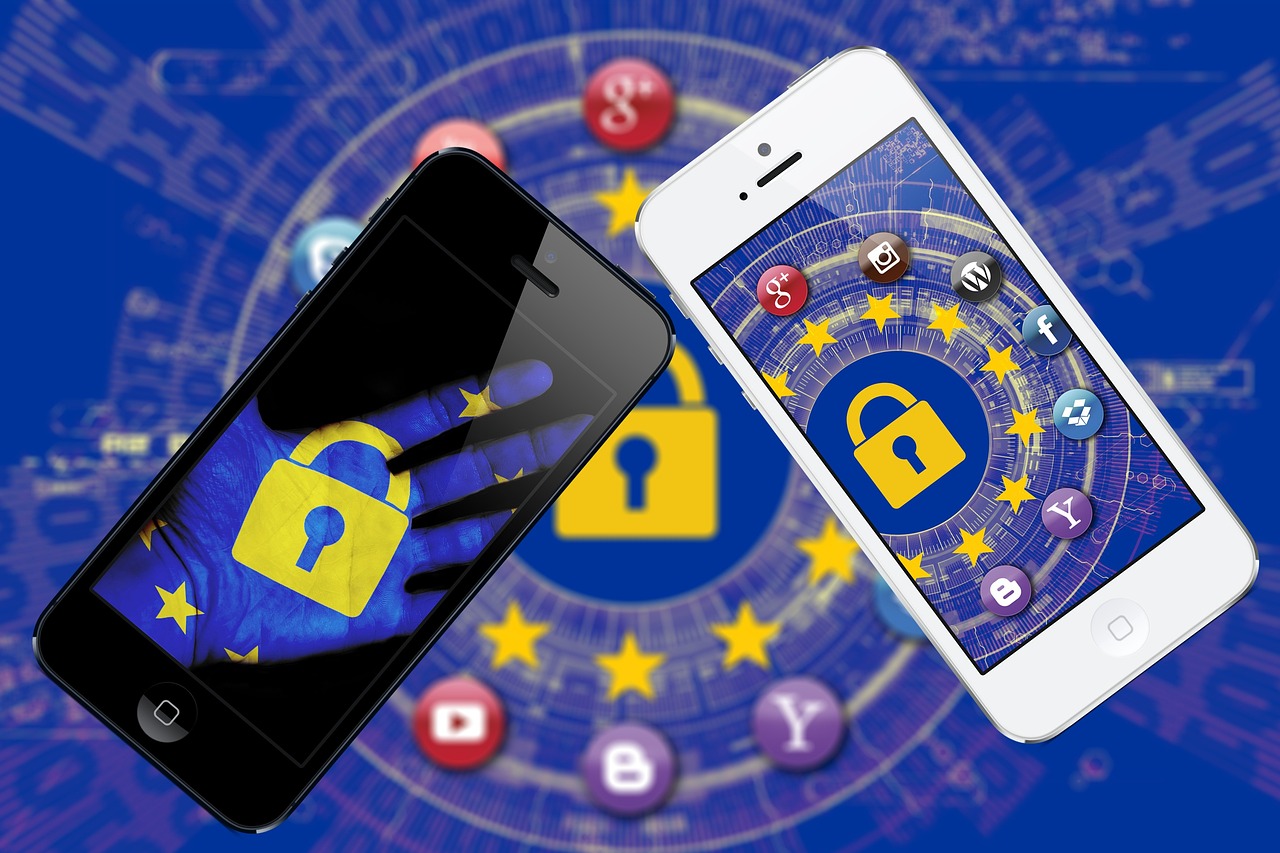

Data Protection Laws and Social Media Customer Interactions
In today’s digital world, social media has become a vital channel for customer service. However, as companies engage with customers online, they must navigate a complex landscape of data protection laws. These regulations, like GDPR in Europe or CCPA in California, impose strict requirements on how businesses handle sensitive customer information. Violating these laws can lead to hefty fines and damage to brand reputation. Therefore, organizations must ensure they are well-versed in the legal obligations associated with managing customer data on social platforms. This includes implementing clear policies that safeguard personal information and comply with relevant legislation. Training employees on these policies is also crucial to minimize risks. Businesses should regularly review their social media practices to ensure ongoing compliance and protect customer trust. Additionally, organizations need to engage with legal experts to help interpret applicable laws effectively. As social media continues to evolve, the importance of robust data protection measures will only grow, making adherence to these laws critical for long-term success in customer service.
Handling sensitive customer information on social media platforms presents unique challenges for businesses. First, organizations must recognize the types of data that qualify as sensitive, such as personal identifiers or financial information. Sharing or mishandling this data on public forums can have serious repercussions, both legally and ethically. To mitigate risks, it is essential to implement secure communication methods that prioritize customer privacy. Companies should also consider using direct messaging services for sensitive exchanges rather than public comments. This reduces the likelihood of unintentional data breaches. Furthermore, businesses can enhance customer interactions by ensuring they promptly address any data protection concerns. By providing clear channels for customers to report issues regarding their data safety, companies can foster a sense of security. Additionally, transparent communication regarding data usage policies can help to build trust with customers. Monitoring social media interactions closely can also aid in identifying potential risks early. Thus, an optimal balance between effective customer service and protecting sensitive information is crucial for thriving on social platforms.
Compliance and Best Practices in Social Media
Compliance with data protection laws necessitates the establishment of comprehensive strategies within organizations. First, developing clear privacy policies that outline how customer data is collected, used, and stored is essential for transparency. Businesses must also ensure that these policies are easily accessible to customers on their social media profiles. Another best practice involves training staff on data security protocols. Regular training sessions can help employees recognize potential risks and respond effectively—an essential aspect of preserving customer trust. Furthermore, companies should utilize social media management tools that comply with data protection regulations. These tools often provide features that assist in monitoring and securing sensitive information during interactions. Additionally, organizations may benefit from conducting periodic audits to assess compliance levels and identify areas for improvement. A proactive approach ensures that businesses remain aligned with constantly changing regulations. By consistently prioritizing data protection, organizations can cultivate a reputation as trustworthy service providers, ultimately leading to enhanced customer loyalty and satisfaction on digital platforms.
Another critical aspect of handling sensitive customer information on social media involves responding to data breaches effectively. In the unfortunate event of a security incident, organizations must have a robust incident response plan in place. This plan should include steps to promptly inform affected customers about the breach, outlining what data was compromised and measures taken to rectify the situation. Additionally, organizations should proactively monitor social media channels for any discussions about the breach. This awareness will help address customer concerns swiftly and maintain open communication during a potentially damaging time. Furthermore, it would be prudent to offer affected customers support services. By demonstrating transparency and accountability, companies can mitigate negative backlash and work towards rebuilding customer trust. Integrating customer feedback mechanisms into operations also strengthens relationships. Many customers appreciate brands that are willing to evolve based on input. Thus, ensuring that platforms provide appropriate level of security builds customer reassurance and loyalty to the brand.
The Role of Encryption and Data Minimization
In enhancing data protection on social media, the roles of encryption and data minimization cannot be overstated. Encryption serves as a formidable barrier that protects sensitive data from unauthorized access. By encrypting customer interactions and feedback collected through social platforms, organizations can ensure that even if data is intercepted, it remains indecipherable. Additionally, adopting a data minimization approach involves collecting only the information necessary to perform customer service functions. Limiting the amount of personal information gathered ensures that businesses reduce their exposure to data breaches. This practice not only simplifies compliance with data protection laws, but also fosters customer confidence that their information will not be misused or mismanaged. Furthermore, organizations should conduct regular evaluations of their data collection practices to identify excess information that may no longer be necessary. By actively managing data retention policies, businesses can further enhance their security posture while showcasing their commitment to protecting users’ personal information. In an era of privacy concerns, companies that prioritize encryption and data minimization are likely to stand out and succeed.
Moreover, customer service via social media must also involve proactive communication strategies regarding data protection. Educating customers about how their data is managed promotes awareness and confidence in the brand. Creating informative content that outlines data protection initiatives can be shared across various social channels. For instance, short video tutorials can illustrate how to use privacy settings on different platforms effectively. Engaging graphics can captivate attention and make understanding complex topics easier. Additionally, organizations can address common misconceptions about data security through blog posts or FAQs. Establishing clear communication fosters trust and encourages customers to engage more openly with the brand. Furthermore, having a knowledgeable representative available for customer queries about data protection can enhance customer service experience. This will help customers feel valued and secure, encouraging them to return in the future. Therefore, embracing an open dialogue about data security, combined with proactive outreach efforts, positions companies as leaders in responsible social media engagement.
Future Trends in Social Media and Data Protection
As technology continues to advance, the intersection of social media and data protection laws will evolve as well. Emerging trends include greater reliance on artificial intelligence (AI) to manage customer interactions efficiently while ensuring data compliance. AI has transformative potential to identify sensitive information in conversations in real-time, facilitating appropriate handling procedures. Additionally, the rise of privacy-centric social media platforms has given consumers more control over their data. Businesses must adapt to this shift by prioritizing transparency and ethical data usage in their marketing strategies. Furthermore, trusted partnerships with technology providers that focus on data security will become crucial for organizations striving to maintain customer connections. Innovations, such as blockchain technology, may also play a significant role in enhancing data protection transparency. Companies will increasingly need to invest in cutting-edge solutions to keep pace with evolving legislative landscapes and customer expectations. Staying attuned to these trends not only helps organizations uphold their legal obligations but also solidifies their reputations as forward-thinking customer-centric businesses.
Finally, crafting a robust customer service strategy that incorporates respect for data privacy is now more critical than ever. Organizations must view data protection as a vital component of customer interactions rather than an afterthought. Regularly assessing and modifying strategies in light of the latest developments in data protection laws can increase resilience and responsiveness. Additionally, businesses should engage in continuous learning to stay informed about best practices in securing customer information. Keeping abreast of customer sentiments regarding privacy will also guide effective strategies for communication and marketing. Implementing customer feedback into operational adjustments can foster positive relationships in the long run. Ultimately, the ultimate goal is to create a safe and respectful environment for customers to interact with a brand on social media platforms. By doing so, organizations can promote a culture of honesty and reliability, reinforcing their commitment to protecting sensitive information while delivering exceptional customer service.