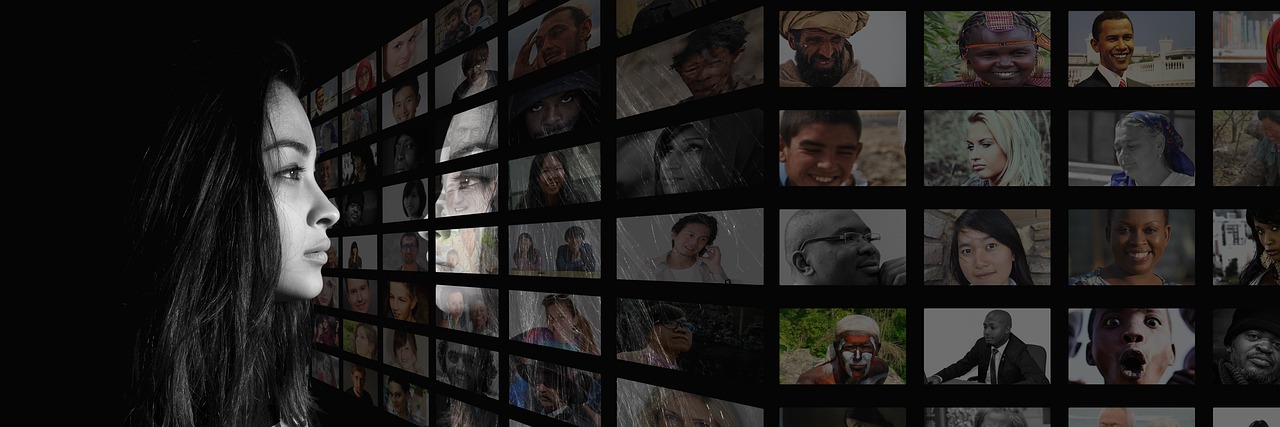

Implementing Inclusive Social Media Policies for Diverse Communities
Social media continues to evolve rapidly, reflecting the dynamics of society. In 2024, establishing inclusive social media policies becomes fundamental for organizations striving to engage diverse communities. These policies must promote representation across all platforms, ensuring that every voice is heard. A robust social media policy framework should reflect the organization’s commitment to inclusivity. It should outline clear guidelines, define roles, and address the expectations for social media interactions. Today, users are looking for authenticity, and they want to see themselves represented in the campaigns they engage with online. By focusing on important demographics and understanding their unique perspectives, brands can foster deeper connections. Engagement strategies should include actively listening to community feedback, thus creating a more inclusive environment. Training staff on cultural sensitivity and the nuances of diversity is vital when implementing these policies. Ultimately, a proactive approach enhances the brand’s reputation while empowering marginalized voices. With the right strategies in place, organizations can navigate the complexities of social media, helping the community build trust through shared values and mutual respect without alienating any group.
Organizations must prioritize the development of comprehensive social media policies that include guidelines for inclusivity. This can involve a thorough assessment of current content strategies and the identification of gaps in representation. Establishing a team responsible for monitoring diverse content is crucial to ensure adherence to these guidelines. Additionally, policies should emphasize the importance of accessibility in social media content. This includes using alternative text for images, providing captions for videos, and designing graphics that cater to diverse audiences. Engaging with community leaders can enhance understanding and provide valuable insights into various cultural perspectives. Collaborations with influencers from diverse backgrounds can amplify these efforts, making social media initiatives more powerful and relatable. Transparent communications about these policies can foster trust between organizations and their audience, encouraging a sense of belonging. Social media policies should also consider the implications of language, ensuring respectful and inclusive language is used across all platforms. Regular training sessions emphasizing these practices can create a more educated and culturally aware staff. By implementing inclusive policies now, organizations position themselves as leaders in the conversation on social equity in the digital space.
Monitoring the effectiveness of inclusive social media policies is essential to gauge their impact over time. Organizations should utilize analytics to measure engagement, reach, and audience sentiment before and after policy implementation. This data can provide insights into how diverse communities perceive the brand, enabling adjustments where necessary. Surveys and feedback mechanisms should be instituted to collect opinions directly from community members. These channels should be accessible and visible, encouraging honest input. Furthermore, organizations need to remain adaptable as social media trends shift and change. Staying informed about emerging platforms and trending topics can help brands remain relevant. This requires a commitment to ongoing education and dialogue around diversity issues and updating policies accordingly. Regular reviews of social media strategies can identify successes and areas needing improvement. Setting benchmarks for inclusivity and monitoring their progress will create accountability. Acknowledgment of every voice and consideration of feedback can significantly impact community engagement. When organizations demonstrate responsiveness to social changes, it solidifies their reputation as advocates for diverse communities and enhances brand loyalty.
Community Engagement and Brand Authenticity
Creating a genuine connection with diverse communities through social media requires active engagement and authenticity. Organizations must listen and respond to feedback, showing an understanding of the unique challenges faced by different groups. This could mean highlighting community stories or showcasing local initiatives. By promoting these narratives, brands demonstrate they value their audiences beyond transaction-based relationships. It is crucial to avoid tokenism when engaging with these communities; brands should ensure representation is reflected genuinely in their content. The tone and language used in communications should resonate with the audience, avoiding jargon and maintaining an approachable demeanor. Transparency about organizational goals and social missions can further enhance trust. Brands that openly share their journey toward inclusivity are more likely to connect with their audience. Regularly posting diverse content helps normalize representation, inspiring others to participate in these dialogues. Depending on the community and platform, a mix of content types such as videos, stories, and infographics can be utilized to engage various audience segments effectively. Consistency across platforms while embracing unique aspects of each will help convey an authentic narrative to followers.
Training and Development
Staff training is a fundamental component of implementing inclusive social media policies effectively. Employees must understand the significance of diversity in social media and its impact on engagement. Training programs should cover the fundamentals of inclusive language, cultural awareness, and sensitivity towards various communities. Workshops led by diversity experts can provide valuable perspectives and best practices for online interactions. Moreover, organizations can implement scenario-based training to prepare staff for managing sensitive issues that may arise online. This approach equips employees with practical skills for navigating challenging conversations while upholding brand values. Commitment to training should not be seen as a one-time effort; instead, it should be an ongoing process. Regularly revising training materials to reflect changing societal norms ensures continued relevance. Pairing staff with mentors from diverse backgrounds can enhance understanding and empathy towards different perspectives. Beyond internal training, social media policies should emphasize the importance of engaging with external experts who can provide guidance on best practices. Employee feedback on the training processes and policies can foster a culture of inclusivity and enable continuous improvement within the organization.
Another critical aspect is aligning social media policies with broader organizational values and mission statements. Policies should reflect the organization’s commitment to diversity and inclusion, resonating across both internal and external communications. Organizations can achieve this alignment by incorporating inclusive practices into their corporate social responsibility (CSR) initiatives. By involving employees in community-centric projects, organizations can create opportunities for meaningful engagement while emphasizing their role in social equity. Sharing these initiatives through social media reinforces the brand’s commitment to inclusivity. Platforms should also serve as spaces for dialogue, where organizations encourage discussions on diversity and inclusion. Partnering with advocacy groups and NGOs can amplify these messages and demonstrate genuine involvement in community issues. Social media policies should thus involve provisions that allow for collaboration with diverse organizations and influencers, showcasing shared goals. This approach can spotlight barriers faced by underrepresented groups and promote collective efforts toward social change. Engaging with audiences through live discussions or Q&A sessions can foster visibility and create a space for underrepresented voices.
Conclusion: Committing to Progress
In 2024, creating inclusive social media policies is not just a trend but a necessity for organizations. The industry’s continued evolution demands a proactive approach that embraces diversity and fosters an inclusive digital landscape. Organizations must recognize their role in driving change as they develop these policies. Ultimately, their commitment to inclusivity will bolster trust and engagement with a broad range of audiences. Evolving policies to cater to diverse communities enables brands to show how they value diversity genuinely. Constantly adapting to feedback and being open to learning are crucial aspects in this journey. Incorporating metrics to evaluate success ensures accountability and a gauge for progress. Leaders in social media must strive for a future where every voice matters, regardless of background. This commitment to progress creates an environment where mutual respect prevails. Establishing authentic connections with communities ultimately benefits organizations by enhancing brand loyalty. The path to inclusive policies may be challenging, but vigilance and dedication will pave the way. As organizations embark on this journey, they can significantly impact shifting narratives around social media and diversity.
Ultimately, embracing inclusivity in social media policies is an ongoing effort requiring constant reflection, learning, and adaptation. As organizations implement these strategies, focusing on building communities and fostering authentic connections will create a richer social experience for all. Ensuring representation isn’t just a checkbox but a fundamental aspect of digital engagement will yield profound results. By prioritizing diversity and inclusivity, businesses can better meet the needs of their audiences while contributing positively to the broader social discourse. The steps taken today will lay the groundwork for a more inclusive online environment for future generations, making social media a platform where all voices have the opportunity to shine.