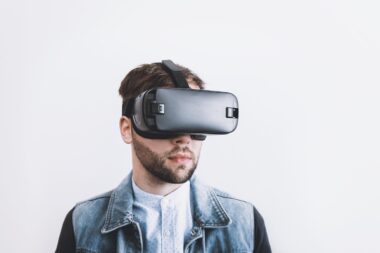

Social VR Gaming on Mobile Platforms: Trends and User Insights
Mobile platforms have drastically changed how individuals interact with one another, especially within the realm of social media. The integration of Virtual Reality (VR) technology into mobile gaming has opened new avenues for engagement. According to recent studies, there has been a marked rise in users opting for VR games on mobile devices, thanks to improved accessibility and technology advancements. Users are more drawn to these immersive experiences that combine social interaction with gameplay. This blending of realities fosters environments where friends and communities can come together regardless of geographic limitations. Furthermore, there is a noticeable trend of mobile VR gaming evolving into a social network itself, capable of enhancing user experiences significantly. The ability to form avatars, explore virtual spaces, and communicate seamlessly fosters a sense of belonging and community among users. However, privacy concerns and the need for responsible gaming practices have emerged as critical discussions in this vibrant community. As developers harness the future of mobile VR gaming, they face the challenge of balancing innovation with user safety and satisfaction, ultimately shaping user experiences in profound ways.
With the rise of 5G technology, mobile social VR gaming holds immense potential for delivering enhanced experiences. The ultra-low latency and high-speed connectivity of 5G enable seamless and rich interactions in virtual environments. As mobile internet expands capabilities, users can expect a significant reduction in lag, making gameplay more intuitive and responsive. This development will enable developers to create more intricate virtual worlds that can host numerous players simultaneously, deepening the immersive experience. Increased connectivity also allows for diverse gaming genres and collaborations that merge different platforms, reshaping the gaming landscape. Users will find opportunities to participate in events and activities tailored to their preferences, further engaging with fellow players seamlessly. Moreover, the competition among mobile manufacturers to integrate robust VR capabilities is intensifying. As a result, users can anticipate a variety of devices tailored to their VR gaming needs. The landscape is shifting, and mobile users stand to benefit tremendously from these advancements. With ongoing improvements, games promise higher resolutions and rich content, reinforcing the allure of mobile social VR gaming as a premier avenue for entertainment.
User Engagement and Community Building in Social VR
User engagement is critical in shaping the future of mobile social VR gaming. Various platforms employ solutions to enhance player interactions, promoting community-building among users. Features like voice chat, live events, and interactive game modes lead to increased participation and immersion in mobile games. Players now have avenues to build friendships around shared interests while exploring virtual worlds together. Gamification of social interactions is observed, as players are motivated to not only achieve personal goals but also contribute to group objectives. This new social dynamic fosters inclusivity, inviting players from diverse backgrounds. Some games introduce mechanics that allow players to create content that others can enjoy, blurring the lines between consumers and creators. This content-sharing capability enriches the overall experience, encouraging users to delve deeper into the virtual community. The synergy between users enhances retention rates, as players cultivate relationships that extend beyond gaming sessions. Moreover, developers are constantly analyzing user data to anticipate trends and refine gaming experiences, ensuring the platform stays relevant and enjoyable for existing users while attracting new players.
The role of avatars and user representation in social VR gaming is fundamental. Players cultivate their personal identities through customized avatars, which amplify their connection to in-game environments. These avatars serve as extensions of oneself, enabling users to express individuality. In times of remote interaction, this expression becomes essential, leading to deeper emotional connections among players. Additionally, avatar customization options foster creativity, allowing users to showcase their unique styles and preferences. This, in turn, can bring players from varied backgrounds together, enriching social interactions within virtual spaces. Moreover, diverse representation is gaining focus, as developers work to create inclusive experiences for all players. By offering various customization options, games can better cater to a wide audience and foster a sense of belonging. In essence, well-designed avatars create a bridge between players, enriching their experiences and solidifying community bonds. As mobile social VR gaming evolves, the significance of avatars will continue to enhance user interaction and emotional investment with the game and its community.
Challenges Faced by Mobile Social VR Developers
Despite promising advancements, mobile social VR gaming is replete with challenges that developers must address. One significant issue is ensuring compatibility with a range of devices. As the mobile landscape varies widely, ensuring games run smoothly across platforms becomes complex. Developers must consistently optimize their games to provide a seamless experience, regardless of the user’s hardware capabilities. Furthermore, user feedback is crucial; understanding player needs and challenges helps refine gameplay mechanics and enhance overall user experience. Another challenge involves addressing content moderation and toxicity in gaming communities. Developers are under constant pressure to create safe spaces for players, requiring efficient reporting and moderation systems. Balancing freedom of expression while keeping user interactions constructive is a formidable task. Additionally, VR content can sometimes lead to motion sickness or discomfort, necessitating comprehensive testing to improve user comfort. As the industry evolves, prioritizing user safety, accessibility, and community cohesion will shape how mobile social VR games develop in the future. For sustained success, it is paramount for developers to recognize and navigate these challenges efficiently, fostering loyalty among users.
Expectations around monetization strategies in mobile social VR gaming have transformed in recent years. Developers are exploring various avenues to present value while maintaining user satisfaction. The shift towards subscription-based models and in-game purchases has gathered momentum, allowing users access to premium features without compromising the gameplay experience. Additionally, offering unique skins or customization options for avatars can entice users to invest in their gaming experience, further enriching engagement. Achievements linked to in-game currency can create a sense of accomplishment, motivating players to delve into gameplay. Furthermore, partnerships and collaborations with brands can create additional revenue streams while providing exciting content for users. Innovative monetization strategies that add genuine value and elevate experiences can foster user loyalty and enhance overall satisfaction. Developers are encouraged to prioritize transparency while conducting these transactions, as gaining user trust is paramount. As mobile social VR gaming continues to grow, the focus will remain on integrating monetization solutions that align seamlessly with user preferences and behaviors. The goal is to maintain a delicate balance between profitability and user experience, ensuring sustained growth in the sector.
The Future of Mobile Social VR Gaming
The future of mobile social VR gaming is poised for fascinating developments. With technology advancing swiftly, users can expect even more immersive experiences powered by augmented reality enhancements. Integration with artificial intelligence can create more dynamic environments, allowing games to respond to player behaviors and preferences. The infusion of these technologies could lead to diverse gaming experiences that evolve with user participation. Opportunities for cross-platform gaming are also likely to expand, uniting the vast gaming community more efficiently than ever. As players engage with different types of devices, the significance of a holistic user experience becomes paramount. Moreover, the focus on analytics to gauge player satisfaction will empower developers to fine-tune elements based on solid data. Consequently, user-centric development will become a focal point as creators strive to meet evolving expectations within gaming communities. As players continue to play an active role in shaping their experiences, it will transform the dynamics of game design. These changes promise exciting prospects as mobile social VR gaming flourishes, creating a vibrant environment for users to connect, create, and compete in groundbreaking virtual landscapes.
In summary, mobile social VR gaming represents a rapidly evolving field that merges technology with human interaction. As we observe the ongoing enhancements in this space, it remains essential to prioritize user experience while navigating the complexities of social dynamics. Addressing user engagement through innovative designs, safety measures, and immersive experiences will dominate future developments. Recognizing the importance of community and connection will guide developers in creating enriching experiences tailored to evolving player needs. With great promise and significant challenges present, the future efforts in mobile VR continue to reflect the changing landscape of gaming. As players increasingly seek connection and shared experiences, mobile social VR gaming stands at the forefront of transforming how individuals engage with one another. The balance between pushing technological boundaries and ensuring user safety and satisfaction is crucial. As we delve into these developments, the anticipation surrounding mobile social VR gaming will only continue to grow, creating opportunities for new forms of companionship through shared leisure activities. Ultimately, those willing to embrace these challenges and opportunities will shape the next generation of mobile social VR gaming experiences, ushering in a new era of connectivity and entertainment.