
How Social Listening Supports Customer Journey Mapping
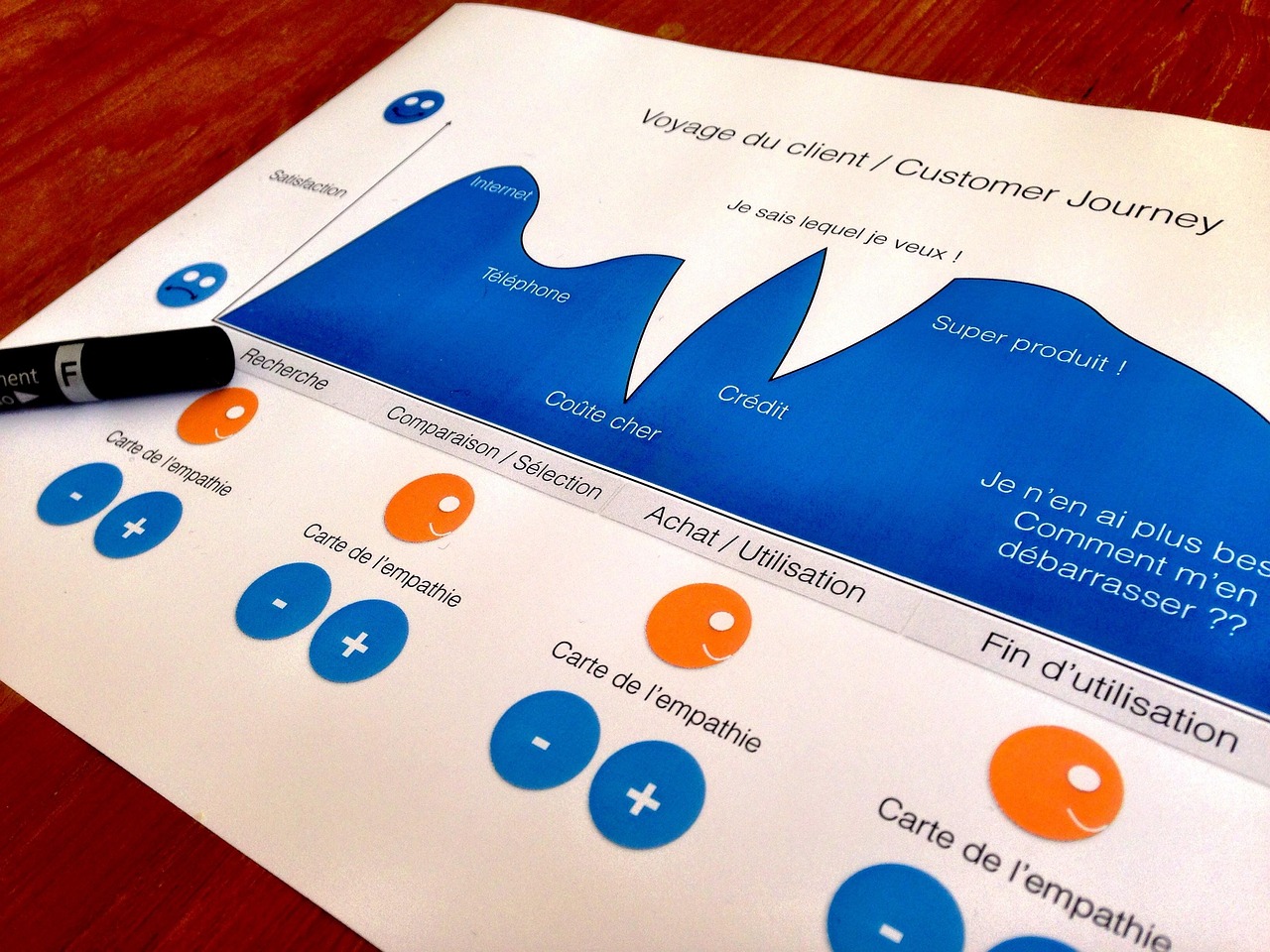
Social listening serves as a powerful tool that brands utilize to enhance customer journey mapping effectively. By monitoring social media conversations and analyzing customer feedback, businesses gain critical insights into consumer preferences, pain points, and behaviors. This allows organizations to understand how customers interact with their products at various stages. The primary benefit of social listening lies in its ability to identify trends and gauge customer sentiment. This actionable data helps companies adapt their strategies accordingly. By focusing on customer experiences, businesses can align their offerings with what consumers truly want. Furthermore, detailed customer journey maps enable teams to visualize touchpoints and optimize them for better engagement. Implementing these strategies can lead to increased customer loyalty and satisfaction. Brands actively engaging with their audience on different platforms receive real-time feedback, aiding them in immediate decision-making. Thus, data-driven adjustments become integral to the overall business strategy. As such, the importance of social listening in shaping customer experiences cannot be overstated. Companies that embrace this methodology find themselves ahead in crafting memorable consumer interactions, ultimately driving conversion rates and fostering brand loyalty.
When social listening is applied throughout the customer journey, it becomes essential for identifying specific moments of truth. These are significant interactions that can influence customer perceptions and future decisions. For instance, understanding how users feel about a new product launch or an advertising campaign is crucial. Brands can gather this information through various means, including direct feedback on social media, comments, and reviews. By analyzing these interactions, businesses pinpoint areas needing immediate attention and engagement strategies. Moreover, social listening allows brands to recognize who their evangelists are. These loyal customers provide invaluable feedback and become crucial to community building around the brand. By leveraging their voices, companies can amplify positive narratives and potentially correct any negative impressions. This openness to feedback creates a more engaging atmosphere where customers feel heard and valued. As a result, fostering strong relationships becomes more accessible, leading to improved brand perception. Customer journey mapping, supported by social listening insights, provides more personalized experiences. Therefore, integrating social listening into the mapping process transforms how businesses interact with their customers and perceive industry standards.
Furthermore, social listening enhances the efficacy of content marketing strategies across customer journeys. Marketers can effectively craft messages that resonate with target audiences by understanding customer preferences and pain points. Relevant content not only grabs attention but also moves customers down the sales funnel. Businesses can proactively address issues before they escalate by disseminating targeted messages. Social listening tools enable brands to comprehend the emotional triggers behind audience engagement meaningfully. By aligning promotional content with what customers think and feel, companies maximize their outreach efforts. Enhanced targeting leads to reduced costs and higher conversion rates, aligning perfectly with financial targets. Additionally, innovative content informed by real customer insights elevates brand communication from mere transactions to meaningful exchanges. This approach encourages active participation and loyalty among consumers, who increasingly seek authenticity in their interactions. As a result, creating meaningful narratives through social listening energizes brand storytelling while supporting overall marketing efforts. Thus, brands that invest heavily in understanding their customer’s interests elevate their engagement tactics. This proactive stance optimizes customer interactions and solidifies brand authority within the competitive landscape.
Integrating Social Listening with Business Strategies
While employing social listening for customer journey mapping is essential, it must align with broader business strategies. Companies can inform product development by integrating insights derived from social media discussions. Feedback shared by customers sheds light on what features they value. Conversely, businesses can also identify gaps in their offerings. Harnessing these insights allows companies to innovate and enhance their existing products to meet evolving customer expectations. Moreover, alignment within various departments, including marketing, customer service, and product development, can be achieved. When teams share updated social listening data, all departments become informed stakeholders. This collaborative effort leads to more coherent branding messages and seamless customer experiences. Furthermore, a unified strategy promotes a culture of responsiveness within the organization. As employees witness their direct impact on customer satisfaction through social input, they become more motivated to engage actively. This ingrained mentality nurtures a customer-centric ethos within the company. In this way, businesses continually iterate on their customer journey mapping process based on social listening insights. By prioritizing insights from the ground up, brands can foster an atmosphere where adaptability is second nature, benefiting the overall customer experience.
Moreover, organizations that adopt social listening as part of their customer journey mapping can significantly improve customer retention rates. Retaining a customer is often more cost-effective than acquiring a new one, emphasizing the importance of sustaining relationships. By actively monitoring feedback, brands can identify dissatisfaction early on and take applicable measures. Many opportunities arise from addressing customer complaints promptly. Quick responses demonstrate to customers that they are valued and heard, bolstering brand loyalty. Social listening facilitates ongoing dialogues, creating opportunities for regular engagement. Additionally, personalized communication stemming from social insights fosters deeper emotional connections with customers. These strong relationships often result in brand advocacy and increased customer lifetime value. Brands become synonymous with exceptional service when they proactively address consumer needs over time. This not only enhances customer satisfaction but also builds a strong reputation in the marketplace. Establishing a brand as a thought leader showcases its commitment to excellence in customer service. By leveraging social listening tools for retention initiatives, businesses can create a dynamic loop of feedback, adjustments, and enhancements that solidifies long-term success.
Incorporating social listening methods into customer journey mapping ultimately allows brands to keep pace with industry changes. Consumer preferences and behaviors are constantly evolving, influenced by numerous factors including societal trends and technological advances. By regularly collecting and analyzing data from social media interactions, companies can stay informed about these shifts and dynamically adjust their strategies. This ability to react swiftly to emerging trends is pivotal in maintaining relevance within competitive markets. Moreover, an agile approach, powered by ongoing feedback, enables businesses to experiment with innovative solutions that resonate with their audience. Active engagement with customers fosters an environment of trust and mutual understanding. Brands that actively solicit views demonstrate they care and foster relationships that withstand market fluctuations. This emotional bond bolsters brand loyalty as consumers feel a deeper connection to brands that listen. As such, organizations enhance their reputations significantly through their listening efforts. Consequently, the customer journey becomes more than a series of transactions; it transforms into ongoing relationships built on trust, resulting in higher levels of customer satisfaction and loyalty. Ultimately, this transformation is crucial for long-term business viability.
Conclusion: The Future of Customer Journey Mapping
In conclusion, the essential role of social listening within customer journey mapping is undeniable. As brands continue to navigate the complexities of digital marketplaces, integrating social insights into strategic planning will be vital. Organizations prioritizing social listening are better equipped to create impactful customer experiences and foster a deeper sense of connection. Brands must not only listen but also adapt based on the feedback provided by their audiences. This leads to sustained customer loyalty, higher retention rates, and ultimately, better business performance. By fostering a culture of ongoing engagement, organizations can capitalize on new trends and capture emerging market opportunities. Each interaction detailed in a customer journey map serves as a touchpoint for improvement and innovation. Through the systematic application of social insights, brands will forge memorable connections that resonate with their customers. As we advance into a more interconnected digital world, the investments made into social listening will yield dividends in shaping customer perceptions and experiences. By embracing these insights, brands can look forward to crafting a customer journey that not only fulfills but exceeds expectations, paving the way for sustained success.
In summary, successful customer journey mapping powered by social listening techniques is imperative for today’s businesses. Understanding how customers perceive products and services enables brands to navigate complexities effectively, leading to unforgettable brand experiences. The synergy created between data-driven insights and customer-oriented strategies fosters a culture of excellence in service delivery. Companies can establish deeper emotional connections by leveraging social listening tools and methodologies. Therefore, they must focus on continuous improvement through the lens of customer feedback while maintaining sensitivity to emerging market dynamics. This proactive stance will help businesses remain competitive and responsive to evolving consumer needs. Moreover, continual education and training in social listening can enhance organizational capabilities and increase insights utilization. Thus, as businesses position themselves for future growth, incorporating social insight methodologies into their journey mapping processes becomes critical. This evolution ensures organizations are not only responsive but also adaptive to changes in the market landscape. In conclusion, social listening profoundly influences how brands approach customer journey mapping, supporting them in delivering authentic and personalized experiences that resonate with their target audiences.