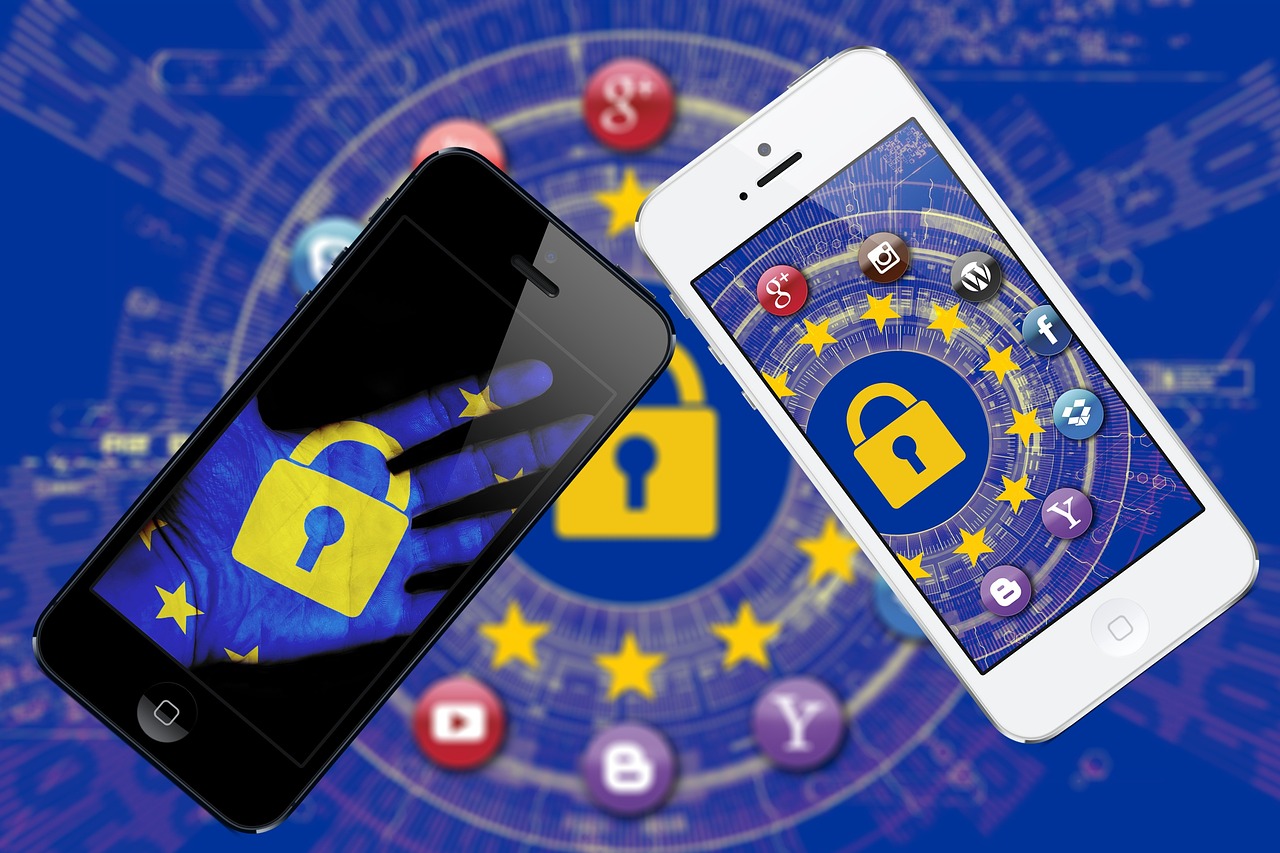

Crisis Simulation: Preparing for Social Media Recovery from Data Breach Incidents
In today’s digital age, handling a social media crisis effectively is of paramount importance. A data breach incident can significantly damage a brand’s reputation and erode customer trust within moments. Brands must be prepared to engage in a comprehensive crisis recovery strategy particularly within social media platforms. The immediacy of social media means that organizations must act swiftly to control narratives and protect their image. Consumers expect rapid, honest communication during crises, which can lead to long-term loyalty if managed appropriately. A strong foundation for recovery can be laid by establishing clear protocols and communication plans prior to an incident. Effective communication strategies should include a designated spokesperson proficient in handling media queries and public relations. Companies should regularly monitor social media channels to track sentiment and address issues proactively. By leveraging tools and analytics, businesses can gain valuable insights into consumer sentiment and community reactions following a crisis. This data can guide the response strategy and provide a clearer scope of action to recover effectively during a crisis.
Organizations should also conduct regular training sessions to prepare their employees for crisis situations. Role-playing scenarios involving potential data breach crises can enhance staff readiness. Managing a communication team during a crisis is another crucial area of focus. Having a dedicated team trained for social media communication can effectively control misinformation and maintain message consistency. Furthermore, a well-documented crisis management plan must be accessible and regularly updated to address changing technologies and communication styles. An essential component of recovery involves transparency; businesses should be open about what occurred, the steps being taken to address the issue, and what customers can expect moving forward. During a data breach, prompt notifications to affected customers are essential, coupled with clear, actionable guidance on protecting their data. Social media posts should prioritize empathy and reassurance to maintain consumer trust. Additionally, organizations should consider employing a third-party crisis management consultant or PR firm experienced in data breaches to guide their recovery efforts. These professionals can provide insights and strategies tailored to the unique challenges posed by data leaks.
Analyzing the Impact of Previous Data Breaches
Reflecting on previous instances of data breaches can provide valuable lessons for organizations looking to recover from similar incidents. Analyzing case studies of companies that faced social media crises due to data breaches allows brands to identify effective strategies and pitfalls to avoid. For instance, examining responses from high-profile breaches reveals that immediate acknowledgment of the incident often fosters goodwill. Additionally, these studies highlight the importance of detailed follow-up actions that are communicated clearly to the public. Effective companies often emphasize their commitment to customer security and provide updates confirming cybersecurity enhancements. Engaging with audiences through social media allows organizations to take control of the narrative, especially when competitors or detractors attempt to capitalize on the crisis. Following the recovery phase, implementing robust security measures and a new data protection strategy is crucial. Businesses should publicly outline changes made to reassure customers and stakeholders. Publishing regular newsletters that highlight ongoing security measures also demonstrates responsibility and a commitment to safeguarding customer information. Furthermore, brands must not overlook potential legal ramifications that may arise from a data breach.
Businesses should consult legal experts to navigate post-breach complexities and mitigate risks. Handling legal issues effectively can reduce backlash and protect the brand’s reputation. Another key area of focus is customer engagement through feedback mechanisms. After a crisis, it is essential to analyze consumer reactions and concerns through surveys and social media interactions to guide future communication strategies. This feedback provides insights into public sentiment, helping companies adjust their messaging and address lingering apprehensions. Building an active customer engagement strategy fosters long-term trust and compels organizations to prioritize transparency and open communication continuously. Providing resources for customers in the wake of a breach supports their concerns, such as offering credit monitoring services or identity theft protection solutions. Positioning these resources as part of recovery efforts demonstrates a proactive commitment to customer wellbeing. Furthermore, companies should consider leveraging social media channels to provide ongoing education about data security practices. This positions the organization as a thought leader in safety practices while also reinforcing their dedication to customer protection and transparency.
Establishing a Long-Term Crisis Management Framework
Once immediate recovery from a data breach is underway, organizations should establish a long-term crisis management framework. Continuous improvement is essential for an organization’s resilience against future crises. This includes developing ongoing training programs tailored to various departments, ensuring that all employees recognize their roles in crisis situations. Additionally, companies should implement regular assessments of their crisis management protocols to identify potential weaknesses. By simulating data breaches regularly, organizations can refine their response plans, aligning them with technological advancements and consumer expectations. Assessments should encompass not only communication strategies but all aspects of security infrastructure as well. Involving technology teams in crisis simulations reinforces the link between technical vulnerabilities and brand reputation. Social media vulnerabilities should also be part of these evaluations, understanding how misinformation can spread during a crisis. Engaging with a legal counsel during these evaluations will ensure compliance with privacy laws and regulations, ultimately fortifying the response framework. Customers also appreciate when organizations demonstrate a commitment to continuous improvement in their data management.
Brands should consider communicating their benchmarks for success post-breach in a transparent way that invites customer participation. Feedback from consumers after a data breach is beneficial and allows companies to understand public perception. Tracking these responses can help brands refine their overall communication strategy and develop tailored messages for various audiences. Furthermore, companies should explore the potential role of influencers in managing crisis communications in social media, as these individuals can lend credibility to the recovery messaging. Partnering with trusted figures in the community strengthens the message of accountability and concern for affected customers. Evaluating the outcome of recovery strategies post-incident through robust analytics will help gauge success. It’s also vital to continue engaging with the community after the incident has cooled down, maintaining ongoing dialogues and providing updates on improvements made. Active listening on social media helps organizations adapts their strategies for future communication. This continuous engagement fosters lasting trust with consumers and enhances the organization’s overall brand image over time, proving that effective recovery communication strategies have long-term benefits.
Conclusion: Building a Resilient Brand
Ultimately, recovering from a data breach involves creating a resilient brand that can withstand future challenges. By integrating adaptive communication strategies and robust security measures into an organization’s culture, brands can prepare for the unexpected. The importance of a coherent recovery plan is emphasized through analyzing previous crises and understanding consumer expectations. Proactive training, transparent communication, and a focus on customer engagement are indispensable elements in restoring trust during and after a social media crisis. Companies that prioritizing engagement improve their long-term relationships with their audience, ultimately emerging stronger and more resilient from the experience. Reflecting on lessons learned will help shape the future of crisis management not only within the organization but also across the industry. By prioritizing consumer trust and maintaining an open dialogue, brands can successfully navigate complex crisis scenarios while minimizing reputation damage. As social media continues to evolve, so too must organizations’ strategies for crisis preparedness and communication. Building these skills into the core business practices prepares organizations not only for data breaches but for a wide range of future challenges that may arise.
This concluding paragraph wraps up the discussion and reinforces the importance of preparation and resilience. The world of social media and data management is increasingly intricate, and businesses cannot afford to ignore these challenges. Crisis simulations and effective recovery strategies will make a real difference in protecting brand integrity. By engaging with consumers and ensuring transparency, brands can foster lasting trust and loyalty. Investing in recovery management will ultimately pay dividends, helping organizations emerge from crises maintained a strong presence in the market while rebuilding their reputations. Supporting customers through crisis demonstrates commitment to their security and wellbeing, creating avenues for stronger relationships. In summary, effective communication and strategic planning are indispensable for recovering from data breaches. Crisis preparation is no longer an optional exercise; it is a fundamental aspect of today’s business environment. Organizations that cultivate a culture of preparedness will find themselves better equipped to face the inevitable challenges of the digital era.