
Leveraging Social Listening Data in Analytics Reporting
Social media has transformed the way companies interact with their audiences, and analytics plays a vital role in this process. One of the most valuable assets in digital marketing is social listening data, which involves monitoring conversations and trends across social platforms. Analytics reporting goes beyond raw numbers; it translates data into actionable insights. By leveraging social listening, businesses can gain a deeper understanding of their customers’ preferences, behaviors, and sentiments. This data not only informs marketing strategies but also helps tailor products and services to better meet customer needs. To harness social listening effectively, it is important to integrate these insights into analytics reports. This means not just collecting data but interpreting it in ways that inform decision-making. Incorporating qualitative insights with quantitative data leads to a more holistic view of brand perception. Establishing metrics for success based on this combined analysis can enhance campaign performance and responsiveness. Thus, businesses can adapt more quickly and strategically to shifting trends and audience demands, ultimately leading to more effective social media campaigns that resonate deeply with their target market.
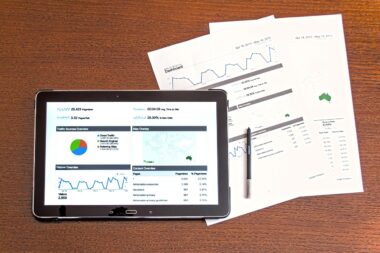
Analyzing social listening data starts with understanding key metrics that indicate customer sentiment. Identifying positive, negative, and neutral mentions creates a foundation for insight-driven reporting. This allows businesses to grasp how their messaging resonates across social platforms. Engagement metrics such as likes, shares, and comments also provide context, highlighting how well the audience connects with branded content. Furthermore, social listening helps identify emerging trends, enabling brands to proactively respond to customer interests and topics. These early findings are crucial for fast-tracking campaign development. By monitoring competitor conversations and industry-specific hashtags, brands can uncover potential market gaps and opportunities. Additionally, the integration of keywords associated with brand mentions into reports can enhance SEO performance and drive organic traffic. Comprehensive reporting should visualize this data effectively, using infographics or dashboards that make interpretations more straightforward. Data visualization aids in presenting complex information succinctly, allowing stakeholders to recognize patterns and insights quickly. Therefore, continuous monitoring, analysis, and reporting can significantly improve the strategic focus of social media campaigns while ensuring that they align with changing audience dynamics.
The interpretation of social listening data requires critical thinking and analytical skills. Businesses should train their teams to analyze sentiment and context beyond mere numbers. For instance, a spike in negative sentiment could indicate a potential crisis or backlash. Addressing these issues promptly can prevent damage to the brand’s reputation. This emphasizes the importance of developing an agile analytics strategy. Understanding the context behind data is just as crucial as the data itself. Teams need to dissect audience behavior patterns to draw actionable insights. Furthermore, qualitative data, such as customer feedback, provides richer narratives that quantitative data cannot convey alone. This cross-referential approach allows teams to present robust reporting to stakeholders. For example, understanding why customers favor a competitor’s product can provide valuable lessons for improvement. This information fosters a culture of continuous learning within organizations. Regularly refreshing analytics practices by incorporating social listening findings ensures that businesses do not fall behind in the fast-paced digital landscape. Ultimately, aligning analytical insights with overarching business objectives allows brands to navigate challenges and leverage opportunities more effectively, setting the stage for successful social media campaigns.
Integrating Listening Tools and Analytical Platforms
To maximize the benefits of social listening, it is vital to integrate listening tools with analytical platforms effectively. Integration is not just a technical process; it involves aligning team workflows and establishing common goals. Many social media analytics tools offer built-in functions to incorporate insights from social listening. Brands can capture real-time conversations and sentiment analysis, feeding them directly into reporting systems. This provides a fluid data collection process that enhances responsiveness. Furthermore, utilizing APIs can facilitate seamless data transfer between systems, reducing manual effort and potential discrepancies. Analytical platforms can then aggregate this information, offering holistic, context-rich reports. Regularly updating dashboards with these insights keeps teams aligned on consumer perceptions. Companies should also customize reporting formats to cater to different stakeholders, as needs will vary between marketing, sales, and executive teams. Access to relevant insights empowers all departments to make informed decisions. Thus, investing time and resources into effective integration not only boosts efficiency but also propels creativity in campaign development. It bridges the gap between consumer insights and practical application, leading to campaigns that resonate stronger with audiences.
Visualization tools play a critical role in interpreting social listening data, making it accessible for stakeholders across levels. When data is visually represented, it can simplify understanding complex trends and sentiments. Infographics, graphs, and heat maps can reveal patterns that might be overlooked in traditional reports. Companies are advised to invest in professional visualization tools that can enhance the clarity of their analytics reporting. A well-structured visual report encourages stakeholders to engage with the data more actively. For instance, tagging specific social conversations against timeframes can highlight shifts in sentiment during marketing campaigns, providing immediate feedback for adjustments. Storytelling also becomes a powerful avenue for presenting social data, as it humanizes the statistics. Highlighting specific consumer experiences makes the data relatable and actionable. Furthermore, providing context alongside numbers ensures that insights do not become mere statistics but resonate on a personal level. As the audience becomes more engaged with the reports, they gain a deeper understanding of customer sentiments. Thus, the effective use of visualization tools directly enhances the strategic application of social listening insights in analytics reporting.
Moreover, consistency in reporting frequency is crucial for leveraging social listening data effectively. Regular intervals for reporting, such as weekly or monthly, allow brands to track progress and refine strategies based on evolving data. This iterative process ensures that audience engagement levels are consistently monitored. Analytics should not be a one-off activity; rather, it is an ongoing journey of interpretation. Consistency builds familiarity among the team with current trends, enabling a proactive approach to campaign adjustments when necessary. Additionally, presenting updates in a format that encourages discussion among stakeholders leads to collaborative decision-making. Regular feedback loops create a dynamic where insights can be quickly translated into actions. The ultimate goal is for analytics reporting to be a living document, continuously reflecting the brand’s relationship with its audience. By ensuring that social listening insights are reported consistently, businesses will build a valuable knowledge base that can inform future marketing efforts. This approach leads to smarter, more efficient, and adaptive social media campaigns that are responsive to consumer needs and preferences.
Conclusion: The Future of Social Media Campaigns
The integration of social listening data into analytics reporting is not just a trend; it represents the future of strategic marketing. As consumer behavior continues to evolve, so too must the approaches brands take to understand their audiences. By marrying qualitative insights from social media conversations with quantitative data from analytics platforms, businesses can uncover deeper understandings of their markets. This dynamic interplay creates opportunities for innovation in campaign strategies that resonate with consumers. Social listening empowers brands to stay ahead of the curve, allowing for timely responses to market changes. In this rapidly changing landscape, companies that can pivot swiftly and align their messaging with current consumer sentiments will thrive. Investing in both listening tools and analytical capabilities will position brands favorably against competitors. It’s a continuous learning journey that demands commitment to adapt and evolve. By successfully leveraging social listening data, businesses can create more meaningful connections with their audiences, which is essential in establishing trust and loyalty. As we move forward, those who prioritize these insights will not only enhance their campaigns but also solidify their standing in the increasingly competitive digital marketplace.
In conclusion, the art of combining social listening with analytics offers a powerful toolkit for brands looking to stand out. Regularly updated reports enriched with this combination of insights can be much more than data—they breathe life into marketing strategies. Businesses need to embrace this evolving strategy to maximize outreach and engagement. The future lies in listening closely to what consumers say, how they react, and then translating those insights into powerful marketing narratives. As corporate landscapes grow increasingly noisy, the brands that can cut through this clutter will be the ones who truly listen and adapt. To achieve this, organizations must commit to developing strong analytics frameworks complemented by robust social listening practices. The synergy found in these partnerships will amplify campaign success rates and ensure lasting engagement with the audience. The nuances present in consumer conversations provide a deeper understanding of motivations and barriers. Social media is rapidly evolving, and brands must keep pace through smart analytics and keen observation of consumer dynamics. In essence, leveraging social listening for analytics not only creates effective reporting but it also establishes stronger connections with audiences that ensure success.