
Cross-Promoting Events Across Multiple Social Media Platforms
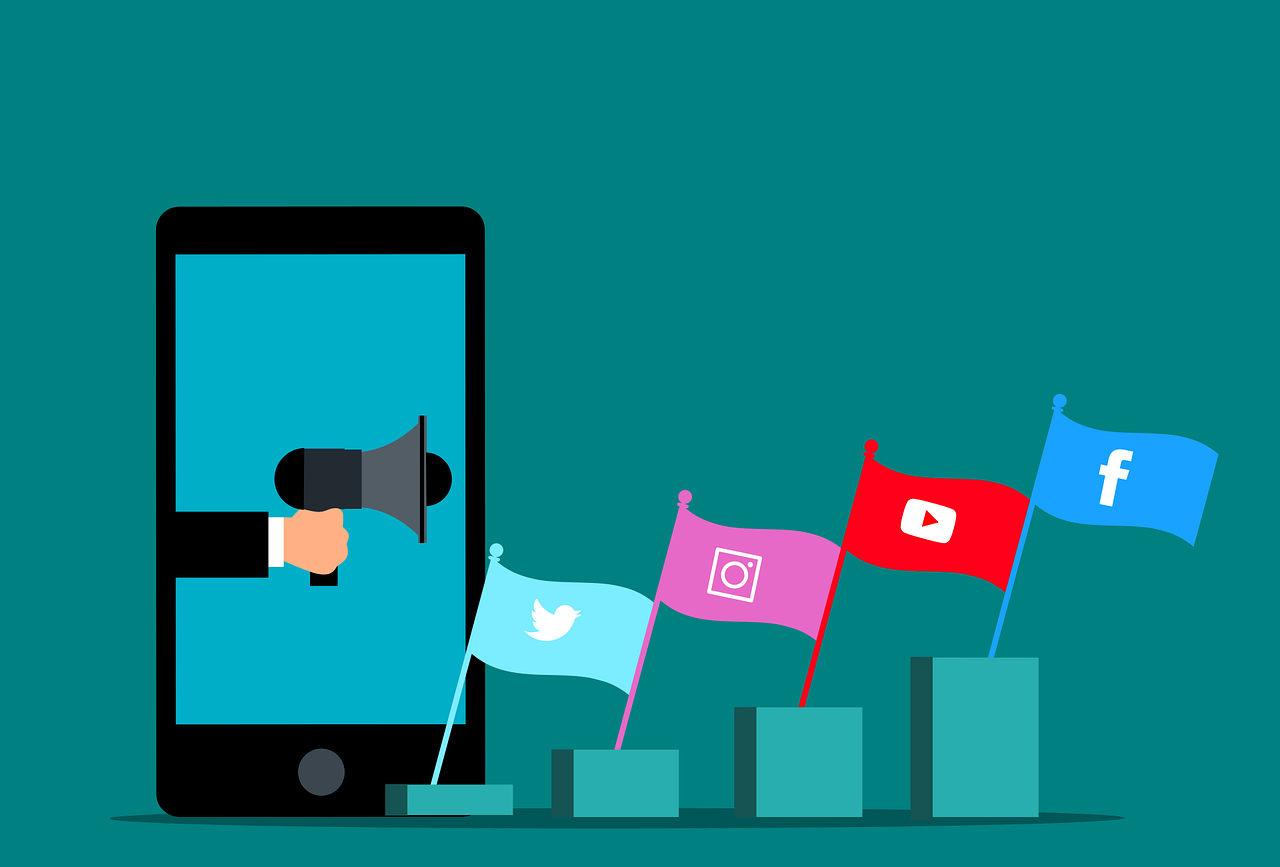
In today’s digital age, leveraging multiple social media platforms for event promotion is essential. A successful cross-promotion strategy can significantly enhance event visibility and reach. By promoting your event on various social media outlets, you tap into different audience segments, maximizing engagement. Start by identifying the social platforms most frequented by your target demographic. Popular choices include Instagram, Facebook, Twitter, and LinkedIn. Each platform offers unique tools and features for event promotion. For instance, Facebook Events lets you create dedicated event pages, while Instagram Stories offer a more visual appeal. To begin, create tailored content for each platform that resonates with its unique audience while keeping your core message consistent. Consider incorporating eye-catching visuals and engaging text to draw attention. Utilize platform-specific features such as polls, quizzes, or countdowns to increase interaction and excitement about the event. Don’t forget to maintain a cohesive brand presence across all channels to foster trust and recognition. This approach not only helps in reaching a broader audience but also encourages users to engage with your content, boosting your event’s overall impact and success.
Engaging Influencers for Effective Social Media Promotion
Another powerful strategy is collaborating with influencers relevant to your event theme. Influencer marketing can expand your event’s reach exponentially due to the trust influencers have built with their followers. Begin by identifying key influencers within your niche or industry. Once you’ve shortlisted potential collaborators, reach out to them with a concise and compelling message about your event. Highlight the mutual benefits of the collaboration. This could involve influencers creating content that promotes your event, such as Instagram posts, tweets, or even live streams. Consider offering exclusive access, free tickets, or special perks in return for their promotion. Additionally, encourage influencers to share their personal experiences related to your event, which can provide authentic engagement. Monitoring influencer reach and engagement rates is crucial to evaluate the effectiveness of your collaboration. Use tools that track social media performance to gather analytics, allowing you to adjust future campaigns based on success or shortcomings. Ultimately, leveraging influencer partnerships can lead to a more extensive audience base and improved ticket sales, ensuring your event stands out in a crowded marketplace.
Creating a Comprehensive Hashtag Strategy
A well-planned hashtag strategy is key for effective cross-promotion on social media. Hashtags serve as digital identifiers, allowing users to discover content related to specific topics. Start by researching trending hashtags relevant to your event, ensuring they resonate with your audience. Create a unique event hashtag that participants can use to share their experiences and increase visibility. Incorporating a combination of popular, niche, and branded hashtags will enhance your post’s discoverability. For instance, utilize general hashtags for broader reach, while specific hashtags can connect with local communities. Encourage attendees to use your event hashtag when posting about the event, effectively creating a buzz. Additionally, consider featuring user-generated content that employs your event hashtag, adding authenticity and fostering community engagement. As the event approaches, integrate your hashtag into all promotional content, including social media posts, email marketing, and website listings. Finally, during the event, promote the hashtag through signage and announcements to further encourage usage. An integrated hashtag strategy not only helps to create excitement but also connects attendees and generates valuable content for future events.
Utilizing Paid Advertising for Maximum Reach
Paid advertising on social media platforms is a highly effective method for increasing event visibility. Social media marketing offers various targeting options, allowing you to reach specific audiences based on demographics, interests, and behaviors. Start by allocating a budget for paid promotions, and choose the platforms where your target audience is most active. Facebook and Instagram ads can be particularly effective for event promotions, given their visual nature and extensive targeting parameters. When creating ads, use high-quality visuals that reflect the event’s theme and message. Include clear calls-to-action (CTAs) directing users to your event page for more information or ticket purchase. Test different ad formats, such as carousel ads or video ads, to see which resonates best with your audience. Monitor your ad performance regularly to understand engagement and conversion rates. Adjust your strategy accordingly to optimize spending and maximize results. With an effective paid advertising strategy, you can significantly boost awareness of your event, ultimately leading to higher attendance and engagement.
Emphasizing Engaging Content
Content is the core of any successful social media campaign. To effectively promote your event, you should develop a content plan that outlines what you will share across platforms leading up to the event. Content can take many forms, including images, videos, blog posts, and live streams. Tailor your content to suit each platform, ensuring it aligns with your brand and messaging. For example, utilize eye-catching graphics for Instagram, while informative videos can be more suited for Facebook. Share behind-the-scenes content to build anticipation and excitement around the event. Utilize storytelling to highlight speakers or performers, creating a personal connection with your audience. Encourage interaction by asking questions or hosting giveaways tied to the event. Engaging content not only attracts potential attendees but also encourages sharing, leading to organic growth in your event’s visibility. Consistency is key; maintain a steady stream of content leading up to the event. A strong content strategy not only captivates your audience but also fosters a deeper connection, increasing the likelihood of their attendance.
Measuring Success and Adapting Strategies
Post-event evaluation is vital for measuring the success of your social media campaign. Analyze the metrics from your cross-promotional efforts to determine what strategies worked best. Metrics can include engagement rates, reach, ticket sales, and hashtag usage. Use tools like Google Analytics and native social media insights to gather data. Identify successful platforms, content types, and promotional strategies. Based on your findings, adapt future campaigns to enhance effectiveness. If influencer collaborations were successful, consider broadening your influencer outreach. Alternatively, if certain platforms had low engagement, re-evaluate their use for future promotions. Additionally, gathering feedback from participants through surveys can provide valuable insights into their experiences. Understanding attendee sentiment can inform improvements for future events. Celebrate successes by sharing highlights from the event on social media. Creating a wrap-up video or blog post keeps the momentum going and gives credit to attendees and partners. By continuously measuring and adapting your strategies, you can ensure ongoing improvement in your event promotion efforts and build a loyal audience over time.
Final Thoughts on Cross-Promoting Events
In conclusion, successful event promotion across multiple social media platforms requires a strategic approach. By leveraging the unique features and audiences of each platform, you can maximize reach and engagement. Collaborate with influencers, create a compelling hashtag strategy, and utilize paid advertising for optimal results. Emphasize engaging content that tells a story and fosters connections. Finally, invest time in measuring your success to adapt and improve your future campaigns. As social media continues to evolve, staying ahead of trends will be crucial for your promotional success. Engage with your audience authentically, and adjust your strategies to meet their needs. Remember to foster community during and after the event, ensuring participants feel valued and part of something special. This holistic approach to social media event promotion can help you build a loyal following that supports future events and initiatives. Embrace creativity and keep experimenting with new strategies and tools. With determination and a well-rounded plan, your events will not only reach their audience but will also resonate long after they conclude. Here’s to successful promotions and thriving events in your future endeavors.