
The Influence of Social Media Algorithms on Hate Speech and Ethics
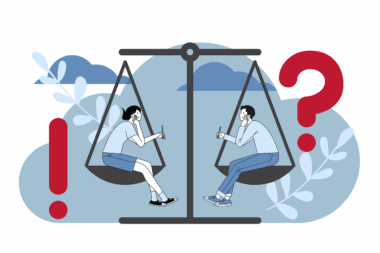
Social media platforms have transformed how we communicate, giving every user a voice while posing ethical challenges, especially regarding hate speech. Algorithms play a crucial role in content dissemination, often amplifying certain types of discourse while suppressing others. Many platforms prioritize engagement metrics, which can lead to the promotion of sensational content, including hateful or inflammatory posts. This raises an essential ethical question: how do we balance free expression with the need to combat hate speech? Understanding this intersection is vital for fostering a healthy discourse. Social media companies frequently update their algorithms, yet the impact of these changes can be contradictory. For example, efforts to reduce hate speech may unintentionally limit legitimate discussions, leading to concerns about censorship. It is imperative that companies strike a careful balance. Additionally, transparency in these algorithms is necessary to build user trust. Users should understand why they see particular content, and this understanding could lead to more ethical consumption of information. Moreover, educational initiatives can further empower users to recognize and report hate speech, thereby supporting a more constructive online environment. Education is the cornerstone of a respectful discourse.
The impact of social media algorithms extends beyond individual experiences to societal perspectives on hate speech. Algorithms are often driven by complex data, including user behavior and preferences. This can create echo chambers, wherein users are only exposed to viewpoints similar to their own, enhancing biases. In such environments, misinformation and hatred can flourish, making it increasingly challenging to address these issues effectively. The ethical implications here involve considerations of responsibility. Should social media companies be held accountable for the content propagated through their platforms? Critics argue that they must assume a greater role in censoring hate speech to ensure a safer online space. Conversely, advocates for free speech stress the importance of allowing diverse opinions, even if they are uncomfortable. Striking a balance between these two opposing viewpoints is vital. Furthermore, algorithmic accountability is becoming a crucial aspect of the discourse surrounding ethical social media use. Enhanced scrutiny of algorithms can lead to improved standards in managing hate speech, fostering a safer online environment. Users, developers, and policymakers must collaborate to develop guidelines that appropriately address these issues.
Alongside the societal implications, the psychological effects of encountering hate speech on social media warrant attention. Numerous studies indicate that prolonged exposure to hateful rhetoric can lead to heightened feelings of anxiety, depression, and social isolation among users. This underscores the ethical responsibility of social media platforms to implement effective measures to address hate speech. The negative psychological ramifications not only affect individuals but can also lead to larger societal consequences, including increased division and hostility within communities. Therefore, it becomes imperative for social media companies to not only focus on user engagement but also on user well-being. Implementing workshops and resources could equip users with tools to better navigate these digital landscapes. Moreover, creating safe spaces online can encourage respectful dialogue and enable users to express dissent without resorting to hate speech. Mental health professionals can help inform these initiatives, advising on best practices for cultivating healthier online interactions. Furthermore, user feedback is essential in refining these initiatives, ensuring they resonate with the community’s needs and values.
The Role of Policy and Governance in Managing Hate Speech
Effective management of hate speech on social media requires comprehensive policies and governance structures. Currently, many platforms operate under vague guidelines, making it difficult to establish clear principles for what constitutes hate speech. This ambiguity hampers effective moderation and can lead to inconsistent enforcement of rules. Establishing clear, transparent criteria for identifying and managing hate speech is vital. Government regulations play a significant role in shaping the social media landscape, but lawmakers often struggle to keep pace with rapid technological changes. Collaborations between policymakers, social media companies, and experts in ethics can help create frameworks that protect users without infringing on free speech rights. Furthermore, international cooperation is essential, as hate speech can cross borders, impacting users worldwide. Developing global guidelines can aid platforms in creating consistent policies and practices. The balance between regulation and freedom of expression is delicate, and ongoing dialogue will be critical in maintaining this equilibrium. Additionally, peer-to-peer accountability encourages users to collectively monitor and report hateful content, fostering ownership of the online community.
Another relevant aspect in the dialogue surrounding hate speech on social media is user empowerment through education. Educating users about the nature of algorithms and the influence they wield can create a more informed community. Understanding how one’s interactions online can shape the content they encounter is integral to navigating potential hate speech. Digital literacy programs can help users critically assess the material they consume. Furthermore, social media platforms can play a proactive role by integrating educational resources directly into their interfaces. For example, tooltips or pop-ups that explain the importance of contextualizing the content can enhance users’ awareness. This educational approach can shift focus from simply regulating hate speech towards fostering critical engagement with online content. Enhanced awareness can empower users to engage in discussions responsibly, mitigating the negative impacts of hatred and allowing diverse opinions to coexist. On a practical level, users must learn to identify misinformation and address it constructively through dialogues rather than mere resistance. Inviting innovative workshop formats can further promote these skills, leading to a stronger online community.
Another dimension to consider is the potential for technological solutions to address hate speech on social media. Advanced machine learning algorithms can analyze patterns and identify hate speech more efficiently than human moderators. Although automated systems may not be perfect, they can help in flagging content that warrants further review. However, ethical considerations arise regarding the implementation of these technologies, as they must be designed with an understanding of context. Unintentionally censoring legitimate speech would undermine progress toward addressing hate speech. Thus, responsible tech development and regular audits of these systems are critical. Technology can assist in examining user behavior to discern sight deficits in content exposure. Social media companies must invest in continuous education for their algorithms to remain effective against emerging types of hate speech. Transparent communication with users about the limitations and capabilities of these systems fosters trust and engagement. Moreover, facilitating user feedback can enhance technological accuracy. By collaborating with communities, tech companies can create a diverse range of inputs, leading to more ethically sound solutions against hate speech.
The Path Forward: Collaborative Solutions
Addressing hate speech on social media necessitates collaborative solutions involving all stakeholders—users, developers, and policymakers alike. Each party plays a crucial role, and dialogue among them can lead to more comprehensive approaches. Social media platforms must actively engage in discussions about ethical responsibilities while integrating user feedback into their policies. Furthermore, inter-platform collaboration can establish best practices in identifying and mitigating hate speech without compromising user freedom. Therefore, establishing a consortium of platforms to share ideas and strategies could foster innovation in this area. Simultaneously, community-based initiatives can empower users to take an active role in reporting hate speech and supporting one another in creating a healthier discourse. Educating users about their rights and responsibilities online promotes ownership of the digital space. Ultimately, creating a respect-based online environment requires a synergy of strategies, from technological advancements to community engagement. By embracing this collaborative ethos, stakeholders can drive change and ensure social media remains a platform that encourages respectful dialogue and inclusivity in every interaction.
As we continue to explore the ethical dimensions of handling hate speech on social media, it is evident that a multifaceted approach is required for effective management. The intersection of technology and ethics represents a challenging yet vital area for future development. Continuous discourse surrounding this topic will help clarify our responsibilities within digital spaces and stimulate the formation of innovative solutions. Ethical responsibilities should not only fall on the platforms but also on users who must cultivate a culture of respect and understanding. Subsequently, we must recognize the role that education plays in equipping users with the skills to engage in a way that fosters healthy dialogues. By encouraging user participation in discussions around hate speech, we will ultimately build a more inclusive online community. Additionally, legislative efforts must keep pace with technological advances to create a framework that respects freedom of speech while addressing the need for safety. In conclusion, the ethical handling of hate speech is an ongoing commitment that requires vigilance, collaboration, and education to navigate with efficacy, ensuring a respectful digital landscape for future generations.