
Ethical Challenges of Monitoring Social Media
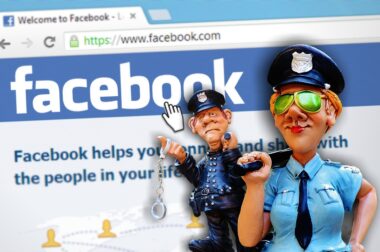
Monitoring social media for law enforcement purposes is a complex ethical landscape. With the rise of digital platforms, authorities increasingly utilize these channels for oversight, crime prevention, and investigation. However, this practice raises significant ethical challenges regarding privacy, consent, and the potential for misuse of data. Social media platforms host vast amounts of personal information, leading to crucial questions about the scope and limits of surveillance. What constitutes a reasonable expectation of privacy in a public forum? Are users implicitly consenting to oversight when they post online? Moreover, law enforcement agencies must navigate ethical implications that balance safety with the need for civil liberties. The usage of social media monitoring tools can lead to profiling and biased policing, making transparency and accountability essential. Striking a balance between effective law enforcement and individual rights is vital. This requires ongoing dialogue among stakeholders, including tech companies, law officials, and the community. Addressing these ethical challenges can help establish guidelines that respect users’ rights while ensuring public safety through responsible surveillance approaches.
As platforms like Twitter, Facebook, and Instagram grow immensely popular, so does their potential for misuse, prompting urgent ethical questions. The algorithms behind social media platforms curate content, often shaping public perception and discourse. Law enforcement agencies may find themselves relying heavily on these algorithms to gather intelligence or insights into potential criminal behavior. This dependence raises ethical concerns, as algorithm-driven insights can perpetuate biases and inaccuracies. First, there is the risk of echo chambers, where users only see information that reinforces their views, potentially skewing police interpretations. Secondly, the reliance on algorithmic data can lead to flawed decisions if the data is incomplete or misconstrued. There is also the pressing issue of how close law enforcement agencies should work with tech companies when obtaining data. Transparency in these interactions is crucial to protect individual rights and maintain community trust. Implementing checks and balances ensures law enforcement does not exploit social media permissions for less-than-transparent gain. Understanding social media’s ethical dimension is essential for constructing a framework prioritizing both justice and respect for personal privacy. Ultimately, this seeks to create an ethical framework for monitoring social media.
Balancing Security and Privacy
The conversation about social media monitoring often hinges on the delicate balance between security and privacy. Many advocates argue that effective law enforcement requires a degree of surveillance, especially in preventing terrorist activities or violent crimes. In light of rising global threats, authorities assert that monitoring public posts can enhance their situational awareness and threat assessment capabilities. Conversely, civil liberty organizations maintain that excessive surveillance infringes on individual rights. Users may unknowingly share sensitive information, inadvertently becoming subjects of scrutiny. Furthermore, the possibility of “chilling effects” arises, leading individuals to self-censor or avoid discussing controversial topics due to fear of monitoring. This could harm the rich diversity of discourse that social media can provide, essential for a democratic society. Policymakers and law enforcement must balance proactive measures with the fundamental right to free speech. Establishing a legal framework outlining permissible surveillance activities is vital to ensure accountability. Moreover, creating public awareness campaigns can educate users on their rights while exercising their digital presence. Only through such collaborative efforts can society ensure that security measures do not come at the cost of individual freedoms.
In recent years, data breaches and misuse incidents have highlighted the importance of ethical considerations in social media monitoring for law enforcement. When agencies leverage social media data, they assume responsibility for safeguarding that information. However, there have been various incidents where law enforcement mishandles user data. From unwarranted data sharing to inadequate security measures, these breaches underscore the need for stringent ethical guidelines. Transparency is critical; communities must be informed of how their data is being used and the safeguards in place. Additionally, law enforcement must adopt best practices for data collection, storage, and sharing, while ensuring compliance with relevant laws. Respecting data minimization principles can help decrease unauthorized access opportunities, ensuring only necessary information is retained. Engaging community stakeholders in discussions about data ethics in law enforcement can create better understanding and trust. Informing the public about monitoring practices and data usage policies paves the way for ethical accountability. These exchanges not only build trust but can also promote stronger community partnerships in crime prevention. Moving forward, learning from past incidents is vital for refining ethical standards in monitoring social media.
Community Trust and Engagement
Establishing community trust is paramount as law enforcement agencies grapple with ethical challenges in social media monitoring. Without the community’s trust, any surveillance initiatives may be met with resistance or skepticism. Engaging with the community can provide insights into how they perceive surveillance and the potential impact on their daily lives. Open dialogue through public forums and surveys can help law enforcement understand community concerns regarding privacy and security. It is essential for agencies to be transparent about their monitoring practices, allowing citizens to feel more involved and knowledgeable about their rights. Furthermore, law enforcement can collaborate with local organizations, civil rights advocates, and community leaders to develop ethical guidelines. Such partnerships can ensure that monitoring practices align with community values and expectations. Providing educational resources about data rights and the purpose of social media monitoring enhances community knowledge and empowers citizens. Ultimately, collaborative approaches can foster a healthier relationship between law enforcement and the community, promoting a sense of shared responsibility in addressing crime and safety. Building trust ensures more effective communication and cooperation between all parties involved.
The role of technology in social media monitoring is a double-edged sword, presenting unique ethical challenges for law enforcement. Advanced tools like automated monitoring systems and AI analytics can enhance an agency’s ability to detect potential threats. However, these technologies often lack transparency and oversight. As a society, we must ask critical questions about the algorithms employed and their implications on ethical practices. Automated tools may inadvertently reflect existing biases, leading to discriminatory profiling, thereby eroding trust in enforcement agencies. Additionally, accuracy must be scrutinized; if AI misinterprets social media behavior, innocent individuals may be wrongly targeted, escalating tensions. Ensuring that technology serves as a complement to human judgment is essential in avoiding such pitfalls. Moreover, law enforcement should implement periodic reviews of their monitoring technologies to ensure ethical standards are met and maintained. Stakeholder involvement, inclusive of technologists and ethicists, can aid design reviews, highlighting potential ethical dilemmas and user perspectives. By prioritizing ethical responsibility, law enforcement can ensure they wield technology as a tool for safety collaboratively, rather than as a mechanism that infringes on civil rights.
Conclusion
As digital communication evolves, the ethical challenges surrounding law enforcement’s monitoring of social media must be addressed. Balancing safety and civil liberties is increasingly critical, necessitating comprehensive discussions among stakeholders. The ethical landscape encompasses numerous factors, including user privacy, data protection, algorithmic bias, and community engagement. Transparency in monitoring practices is vital to foster accountability and trust among the public. Developing frameworks that outline ethical guidelines can assure communities that surveillance efforts prioritize their safety and civil rights. Continuous education for both law enforcement and the public will empower individuals to understand monitoring implications better, leading to a safer digital environment. As society becomes more intertwined with social media, a proactive approach must be taken to navigate the ethical dimensions of monitoring effectively. Ultimately, collaboration among law enforcement, community members, and technology developers will lead to an ethical equilibrium, balancing the necessity of public safety with the respect for individual rights. By fostering a culture of mutual understanding and respect, it becomes possible to create a more equitable society that values both security and ethicality in social media.
This is the end of the article, summarizing ongoing challenges in social media ethics.