
The Role of Mobile Social Media Platforms in Shaping Public Opinion
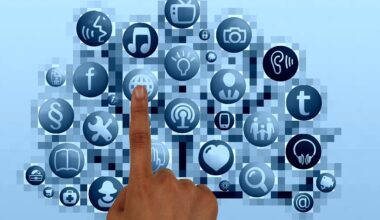
In the digital age, mobile social media platforms have become pivotal in shaping public opinion. These platforms, including Facebook, Twitter, Instagram, and TikTok, act as powerful channels for communication, allowing users to express their views instantly. Their easy accessibility via smartphones has made them essential in the information-sharing process. Users can share opinions and news rapidly, influencing their peers and even larger audiences. The interactive nature of these platforms encourages engagement, leading to discussions and debates on a variety of topics. The role of influencers and celebrities on these platforms amplifies messages significantly, allowing them to sway public sentiment. Furthermore, the viral nature of content maximizes reach and impact. Algorithms curated by platforms also play a critical role, determining which content users see and interact with most. This can create echo chambers where similar views are shared, thus reinforcing beliefs. As a result, social media has transformed public discourse, enabling movements to gain traction quickly. Therefore, understanding mobile social media’s influence on public opinion is more crucial than ever.
The Impact of Social Media on News Consumption
Mobile social media platforms have dramatically changed how news is consumed and shared globally. Nowadays, many people turn to these platforms for the latest updates rather than traditional news outlets. The immediacy of social media allows users to access breaking news almost instantly; this rapidity fundamentally alters public perceptions and reactions. Users frequently share news articles, videos, and personal opinions, prompting discussions among their followers. This sharing culture promotes a more engaged citizenry, as individuals can participate in conversations about significant issues. In addition, social media facilitates the reach of diverse perspectives and opinions, which may not feature in conventional media. However, this openness can lead to the spread of misinformation or unverified news. Consequently, platform algorithms prioritize sensational content that generates engagement, often at the expense of accuracy. It is essential for users to critically assess the information they encounter and share. Additionally, organizations must adapt to this shift by ensuring their messaging resonates on social media. Embracing this new landscape can enhance public engagement and foster informed discussions.
The rise of social media platforms has also contributed significantly to the evolution of grassroots movements. Thanks to the vast reach of mobile social media, localized movements can gain international attention rapidly. Activists utilize these tools to rally support, disseminate information, and document events in real time. This phenomenon amplifies marginalized voices that have often been overlooked in mainstream media. Movements like Black Lives Matter and #MeToo exemplify how social media can not only raise awareness but also drive significant societal changes. Mobilization has become more efficient; users can organize protests and coordinate activities using social media groups or hashtags. The connective aspect of social media fosters community among individuals with shared values and goals. Collaboration across geographical boundaries empowers activists to share resources and strategies, enhancing impact. However, while social media is powerful, it also faces challenges such as censorship and disinformation campaigns. Despite these hurdles, it remains a potent tool for those seeking social justice and change. The success of these movements highlights the critical role that mobile social media plays in shaping modern public opinion.
The Role of Influencers in Shaping Public Discourse
Influencers, who wield substantial followings on platforms like Instagram and TikTok, play a crucial role in shaping public discourse. Their posts often spark conversations around various topics, from lifestyle choices to significant societal issues. As trusted figures, influencers have the ability to sway opinions and behaviors of their followers. Their marketing strategies often create authentic connections, leading to increased engagement rates. Influencers share personal stories and experiences, encouraging followers to reflect on their lives, views, and choices. This phenomenon can be particularly impactful during social movements when influencers advocate for specific causes they resonate with. Powerful narratives shared by influencers can mobilize their audiences effectively, increasing visibility for critical issues. Moreover, they serve as intermediaries between brands and consumers, shaping preferences, trends, and public opinions. However, this influence also brings responsibility; with great power comes the need for authenticity and ethical considerations. Followers may blindly trust influencer recommendations, necessitating transparency in sponsored content. Ultimately, the role of influencers on mobile social media cannot be underestimated in contemporary public opinion formation.
Mobile social media platforms have also altered political engagement, impacting how users interact with political content and figures. Voter mobilization has shifted dramatically with the introduction of social media campaigns, often executed by candidates directly. This direct engagement allows politicians to communicate their messages more effectively, breaking traditional media barriers. Campaigns can engage the public in real time, responding swiftly to comments and pressing issues. Individuals can interact, debate, and mobilize around issues relevant to their interests, making political discourse more accessible. Additionally, these platforms offer opportunities for the younger generation to become politically aware and active participants. However, the algorithm-driven content can create polarization by presenting users with opinions that align with their own. This echo chamber effect can entrench views and decrease the likelihood of encountering opposing perspectives. Thus, political debates that emerge on these platforms can sometimes lack depth and understanding. While mobile social media promotes engagement, it must be balanced with critical discourse and diversifying content to facilitate healthy democratic interactions.
Challenges and Risks of Social Media Influence
Despite the numerous benefits mobile social media platforms provide, they also present various challenges and risks that users must navigate. One of the most significant issues is the prevalence of misinformation and fake news that can spread rapidly across platforms. The viral nature of content often prioritizes sensationalism over accuracy, resulting in distorted perceptions. As users consume and share information, they may unknowingly contribute to this problem, leading to public misunderstandings and conflicts. Furthermore, the algorithms that govern social media platforms can exacerbate echo chambers, isolating users from diverse viewpoints. This can stunt critical thinking and perpetuate biases. Additionally, the mental health implications of social media usage are becoming increasingly evident, with users experiencing anxiety and depression stemming from constant comparisons and unrealistic portrayals of life. Privacy concerns also arise as personal data is often exploited for targeted advertising and user profiling. It is imperative for users to be aware of these risks and approach social media critically, understanding the implications of their engagement and interactions online.
In conclusion, the role of mobile social media platforms in shaping public opinion is profound and multifaceted. These platforms facilitate rapid information dissemination, enabling users to connect, engage, and mobilize around a myriad of topics. While they provide opportunities for grassroots movements and dynamic political engagement, they also present challenges, including misinformation and echo chambers. Influencers play a pivotal role in steering community conversations, often holding the power to sway public sentiment significantly. As we navigate this evolving landscape, it becomes increasingly important for users to remain critical and informed consumers of information. Cultivating digital literacy skills is essential for understanding the complexities of social media interactions. By doing so, individuals can contribute to more productive and informed discussions, ultimately shaping a more nuanced public opinion. The impact of mobile social media will continue to grow, influencing future generations in ways we cannot yet fully comprehend. Therefore, maintaining a balance between engagement and critical analysis is crucial for fostering a healthy public sphere.
Future Trends in Mobile Social Media Usage
Looking ahead, the trends in mobile social media usage will likely evolve further, reshaping interactions and public opinion formation. Emerging technologies, such as augmented and virtual reality, could transform user experiences on these platforms, making interactions more immersive. Additionally, the rise of decentralized social networks may challenge traditional platforms, providing users with more control over their data and content visibility. This shift may enhance privacy while empowering users to shape their experiences based on their preferences. The integration of artificial intelligence will also continue to influence how algorithms curate content for users. As machine learning progresses, social media platforms could further personalize user experiences, delivering tailored content that aligns with individual interests and behaviors. However, ethical considerations surrounding AI must be addressed to prevent further polarization and misinformation. Also, social commerce is anticipated to grow, integrating shopping features directly into platforms, blurring the lines between socializing and consuming. Ultimately, the future of mobile social media usage will require adaptability from users, brands, and policymakers, ensuring that a balanced relationship exists between technology and societal needs.