
Top Mobile Social Media Messaging Apps in 2024
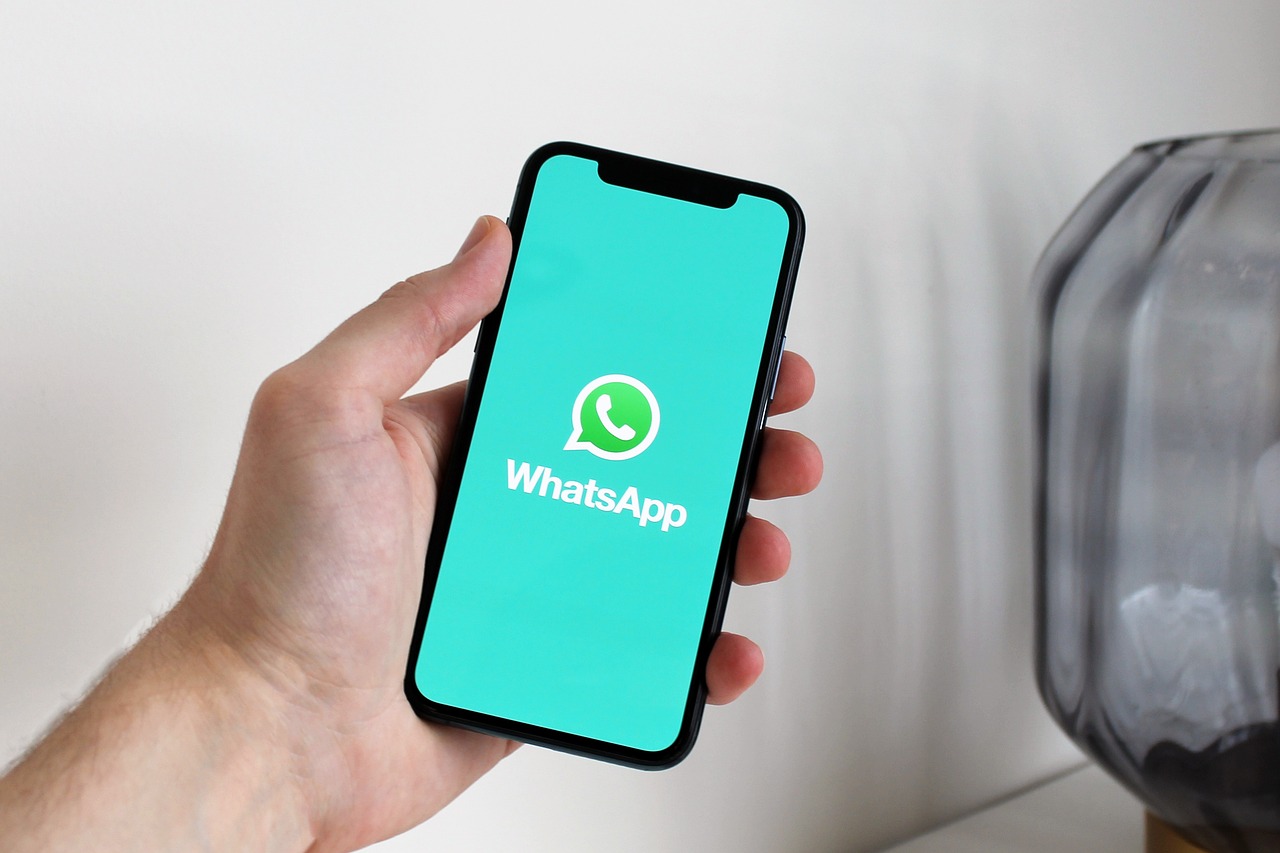
As we enter 2024, the realm of mobile social media messaging apps continues to evolve significantly. Users are increasingly seeking seamless communication tailored to their needs. Notably, WhatsApp remains a dominant player, credited for its end-to-end encryption, making it a favorite for private conversations. Furthermore, its features, like voice notes and video calls, cater to a wide audience. Other apps, such as Telegram, are gaining traction due to their extensive functionality, including channels for broadcasting messages. This is particularly appealing for businesses looking to advertise effectively. Snapchat, focusing on ephemeral content and engaging stories, provides a unique twist that attracts younger users, setting trends with fun visuals. Innovations such as disappearing messages and custom lenses keep it fresh and relevant. Facebook Messenger also maintains a strong user base, integrating easily with Facebook for a comprehensive platform experience. Meanwhile, newer entrants like Signal emphasize privacy and security, appealing to the privacy-conscious crowd. With various options available, users can explore tailored experiences that suit their communication preferences and lifestyle, showcasing the diverse landscape of mobile social media messaging apps in 2024.
Within the messaging landscape, platforms are constantly innovating. As we discuss mobile social media messaging apps, it’s crucial to highlight the growing role of Instagram Direct Messaging. Instagram has evolved from a simple photo-sharing platform into a valuable communication tool, integrating shopping features and video calls. Its visual-centric approach resonates well with users who prefer rich content. This shift emphasizes the importance of social commerce in messaging apps. Likewise, the emergence of collaboration features in platforms like Discord exemplifies the trend of community building through messaging. By offering chat rooms and voice channels, Discord has attracted gaming communities and beyond, facilitating interaction among users. It’s not just about messaging anymore; it’s about creating spaces where users can engage. As these platforms evolve, they cater to various demographics, although privacy remains a pivotal concern. The rise of special features, like disappearing messages, is in response to such societal concerns. To sum up, the future of mobile messaging apps mercifully lies in how well they adapt, ensuring user privacy while incorporating practical features. Remaining adaptable and innovative will be essential for success in the competitive messaging space.
Key Features in 2024 Messaging Apps
The year 2024 is expected to bring new features in mobile social media messaging apps that enhance user experience. One notable trend is the integration of AI technologies to assist users in various ways. For instance, chatbots are being embedded in messaging platforms, allowing automatic responses for customer service inquiries, which improves efficiency for businesses. This integration streamlines communication, ensuring users receive timely assistance. Furthermore, features such as stickers and GIFs are enhancing the engagement factor in chats, making conversations more lively and expressive. Beyond entertainment, users are also gravitating towards apps offering better organizational capabilities. Apps like Slack provide memorable channels and project management tools tailored towards professional interactions. Group chats, video calls, and scheduling features further diversify options. Moreover, cross-platform accessibility allows users to transition seamlessly between devices, contributing to user satisfaction. As the competition heats up among app developers, the pursuit of unique features will define market leadership. These developments illustrate that the messaging landscape is not just about fast communication but also encompasses creativity, organization, and intelligent user engagement.
With encryption becoming a priority for many platforms, privacy advances significantly in 2024. Users are becoming more discerning about their digital privacy, pushing developers to adopt enhanced security measures. WhatsApp’s end-to-end encryption set a standard that many others are now following, instilling confidence in users regarding data safety. Signal has gained a dedicated following, especially among those keen on maintaining privacy; this app prioritizes secure communication above all else. Platforms are now not just focusing on usability but also the security of the data exchanged. Consequently, we see additional layers of privacy, such as disappearing messages, multi-factor authentication, and the option to self-destruct messages after delivery. Furthermore, new regulations emerge that challenge companies to be transparent about data handling practices. This necessity for compliance leads to greater investments in user safety features, ultimately benefiting users. Educating users about their privacy rights enhances trust as platforms engage in dialogues about safeguarding personal information. As a result, a more informed user base will impact app popularity and shape future advancements. Trust is becoming a valuable currency in this virtual world.
Impact of Social Media Messaging on Businesses
The influence of mobile social media messaging apps on businesses is monumental in 2024. Companies swiftly adapt to this trend by leveraging these platforms for effective communication with customers. Businesses are utilizing messaging apps not just for support, but for marketing and engagement. Platforms like Facebook Messenger allow businesses to communicate in real time, addressing customer queries instantly. The use of chatbots is increasingly common, delivering a seamless experience for users while minimizing the workload on support teams. Moreover, businesses are interested in analytics tools offered by messaging platforms to measure customer engagement and campaign effectiveness. This data-driven approach aids in refining marketing strategies. Additionally, brand-specific stickers and emojis are emerging as engaging tools to connect with audiences, enhancing visibility and recognizability. Enhanced functionality such as shopping directly through messaging apps is also expected to grow. By integrating commerce, messaging apps facilitate a shopping experience users appreciate for its convenience. Consequently, experimentation with various strategies will heighten competition among businesses. The impact of messaging apps is transforming conventional commercial interactions into dynamic conversations that resonate with consumers.
As mobile social media messaging trends evolve, user demographics are increasingly diverse. Initially dominated by younger audiences, messaging apps are now attracting users from various age groups. Older generations are discovering and embracing tools like WhatsApp and Facebook Messenger, which offer user-friendly interfaces and features akin to traditional text messaging. Educational initiatives contribute to this trend by showcasing the advantages of being connected digitally, especially during challenging times like the pandemic. The accessibility of smartphones further propels this shift, allowing everyone access to these platforms. Moreover, as messaging apps become integral to daily life, brands and developers recognize the potential of reaching broader audiences. Specialized features catering to different age groups, such as larger text sizes or simplified layouts, enhance user experience. Additionally, the international reach of messaging apps broadens communication globally, overcoming language barriers through translation features. With users from diverse backgrounds, messaging apps create opportunities for cross-cultural conversations. This demographic shift signifies a transformation where messaging platforms become universal communication tools that cater to various preferences and needs.
The Future of Messaging Apps
The future of mobile social media messaging apps appears bright and full of potential in 2024. As technology continues to advance, we anticipate major innovations that further enhance user experience. For instance, the rise of augmented reality (AR) and virtual reality (VR) integration offers exciting possibilities for interactive messaging. Picture sending a virtual birthday card or engaging in a virtual meeting where participants appear to be in the same room. Furthermore, seamless integrations with other popular apps will allow users to share content directly, making interactions easier. We are also likely to see a merger of social media platforms and messaging apps as developers aim for all-in-one solutions. The potential for gamification within messaging apps, making conversations fun through challenges and quizzes, adds another layer of engagement. As competition forces developers to think outside the box, we can expect them to explore various pathways that deliver unique experiences. Overall, the trajectory of messaging apps highlights a commitment to innovation and adaptability, ensuring they remain integral to our digital lives in the upcoming years.
In conclusion, the landscape of mobile social media messaging apps in 2024 is dynamic and continuously evolving. With users prioritizing features such as privacy, enhanced functionality, and user engagement, developers are racing to meet evolving demands. The blend of social interaction and practical application certainly reshapes traditional communication means. Messaging apps not only serve to connect individuals but also act as powerful tools for businesses, advertising, and community building. The key takeaway is that these applications are more than just platforms; they are becoming ecosystems where creativity, commerce, and social connection meet. There is an undeniable upward trend in the adoption of these tools across demographics. Looking ahead, we can expect exciting developments that will redefine how we interact. The integration of new technologies, along with a focus on user-centered design, will continue to enhance experiences. As we navigate through 2024 and beyond, our desire for seamless communication will undoubtedly shape the trajectory of mobile messaging apps. The journey emphasizes understanding user needs while simultaneously promoting innovation in the digital communication realm.