
Overcoming Challenges in Synchronizing Email and Social Media Timelines
Nonprofits increasingly recognize the importance of social media for enhancing their outreach and engagement. However, the integration of email communication with social media presents several challenges. These challenges include aligning messaging, maintaining consistency in branding, and ensuring that audience engagement flows seamlessly across platforms. Nonprofits must navigate the complexities of creating content that is effective on both email and social media channels. This involves understanding each platform’s unique characteristics while staying true to organizational mission and values. Furthermore, nonprofits need to keep track of varying audience expectations, ensuring that emails resonate while also being shareable on social networks. One way to tackle these issues is by developing strategies focused on audience segmentation. This allows organizations to tailor messages that suit different groups, fostering a more engaged and responsive community. Integration tools can help facilitate this process by automatically syncing contacts and messages, making it easier to manage campaigns effectively. By synchronizing their efforts, nonprofits can amplify their reach and impact, ultimately driving more support for their causes.
Effective collaboration between teams handling email marketing and social media can significantly enhance a nonprofit’s communications strategy. It is essential for both sides to work in tandem to ensure that all messaging is coherent and well-timed. A shared calendar can help define clear timelines for campaigns across email and social media outlets, avoiding mixed messages or overwhelming the audience. Regular meetings and discussions between teams can also enhance awareness of ongoing projects and initiatives, facilitating smoother communication. This collaborative effort will ensure that when an email is sent, it aligns with active social media campaigns, promoting a unified strategy. Additionally, nonprofits should invest in training staff on best practices for both email and social media marketing. Providing staff with the necessary tools and knowledge empowers them to craft messages that engage and inspire. Utilizing analytical tools to monitor performance metrics from both platforms can provide valuable insights into what works best in messaging. Adjusting strategies based on performance can lead to improved results, meaning that nonprofits can continuously refine their approach to ensure optimal engagement across channels.
Utilizing Automation for Enhanced Integration
Automation tools can significantly reduce the complexity of aligning email and social media timelines for nonprofits. By automating certain processes, organizations can streamline communications, allowing for easy sharing of email content on social media platforms. Services like Zapier or Mailchimp offer features that link emails to social media updates, helping to maintain a cohesive online presence. Additionally, automated responses to social media interactions can enhance engagement by providing timely replies to inquiries or comments. This encourages a continuous dialogue with supporters, affirming their importance in the community. Nonprofits can also schedule posts in advance to ensure consistent content throughout the campaign lifecycle. Using analytics, automation tools can help gauge audience reactions, enabling nonprofits to adjust their strategies in real-time. This agility is crucial in today’s fast-paced digital environment. By taking advantage of powerful automation features, nonprofits can enhance their operational efficiency, attain better engagement, and focus on their mission-driven activities. Implementing these solutions not only saves time but also maximizes the overall impact of communication efforts with their target audience.
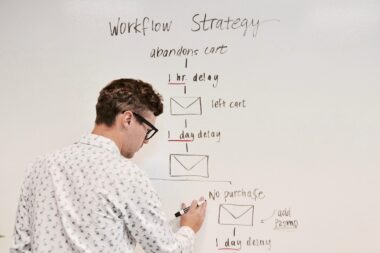
Mapping out the customer journey is another crucial step toward overcoming synchronization challenges. Understanding how supporters interact with emails and social media allows nonprofits to structure their communications accordingly. By identifying touchpoints within the customer journey, organizations can tailor their messaging to guide supporters smoothly from one step to the next. This mapping process should include various stages of engagement, where nonprofits can strategically place targeted content. For example, an engaging social media post could encourage followers to subscribe to the email newsletter for exclusive content. Likewise, email campaigns can direct viewers to social media channels for real-time updates and community participation. Utilizing storytelling within both channels can enhance emotional connections, making supporters feel more invested in the nonprofit’s cause. Incorporating visual elements such as infographics or videos into both email and social platforms can improve access and retention of information. By thoughtfully developing a unified customer journey, nonprofits can foster a deeper connection with their audience, ultimately leading to increased support and enhanced social impact.
Measuring Success: Key Performance Indicators
To effectively measure the success of integrating email with social media, nonprofits must establish clear Key Performance Indicators (KPIs). These indicators are crucial for understanding how well the synchronization of these platforms performs. Metrics such as open rates, click-through rates, shares, and engagement levels need to be monitored to gauge effectiveness. Nonprofits should employ reporting tools that can consolidate data from both sources, providing coherent insights into campaign performance. An increase in engagement on social media platforms following an email campaign may indicate successful integration efforts. This data can inform future campaigns, guiding nonprofits in crafting more tailor-made messages that resonate across both platforms. Regularly analyzing KPIs promotes a more strategic approach to communication efforts. Over time, nonprofits can identify trends and preferences that enhance overall performance. Collaborating with data analysts can also bring more precision to measuring success, enabling organizations to better understand audience engagement dynamics. Ultimately, a solid framework for measuring success can lead to continuous improvement in nonprofit communication strategies.
Another significant aspect of synchronizing email and social media is maintaining an adaptive strategy. Staying flexible as trends and algorithms evolve is crucial for nonprofits aiming to remain relevant. Trends in social media and email marketing often shift rapidly, influenced by changes in consumer behavior and technology. To navigate this landscape effectively, nonprofits must continuously educate themselves on emerging tools and platforms that can enhance their outreach. For instance, incorporating interactive elements such as polls or user-generated content into both email and social media can foster greater engagement. Encouraging audience participation through surveys can also be illuminating, providing essential feedback on preferred content types. Involving supporters in the communication process offers invaluable insights, making constituents feel valued and heard. This approach not only strengthens relationships with existing supporters but could also attract new audiences enthusiastic about the cause. Emphasizing adaptability ensures that nonprofits optimize their messaging, augment their reach, and stay aligned with evolving audience expectations.
Conclusion: Strategies Moving Forward
In conclusion, overcoming challenges in synchronizing email and social media timelines is imperative for effective communication in nonprofit organizations. By fostering collaboration between teams, utilizing automation tools, and mapping the customer journey, nonprofits can create a harmonious integration that enhances their engagement efforts. Establishing clear KPIs allows organizations to measure success accurately, while maintaining an adaptive approach ensures they remain responsive to changes in technology and audience preferences. Nonprofits should continuously seek new strategies and engage with their communities to create informational and inspiring content that drives action. Alongside these strategies, regular analysis of insights gained from both platforms will empower nonprofits to refine their communication efforts, ensuring a consistent message across all fronts. This commitment to synchronization not only optimizes communication but also serves to cultivate lasting relationships with supporters. Ultimately, by integrating email and social media effectively, nonprofits can amplify their impact, raise greater awareness, and ultimately advance their mission to create lasting change in their communities. By prioritizing these strategies, nonprofits will thrive in the digital age, engaging audiences with purpose and authenticity.
Nonprofit organizations looking to navigate these complexities should consider actively utilizing available resources, seeking guidance from experts, and leveraging technological advances. Embracing these strategies will empower nonprofits to effectively synchronize their communication channels, optimizing their outreach and ultimately creating a vibrant community centered around shared values and mission. By staying focused on collaboration, measuring success, and maintaining flexibility, these organizations can overcome the inherent challenges that arise from integrating email with social media, fostering a more cohesive and dynamic approach to their outreach.