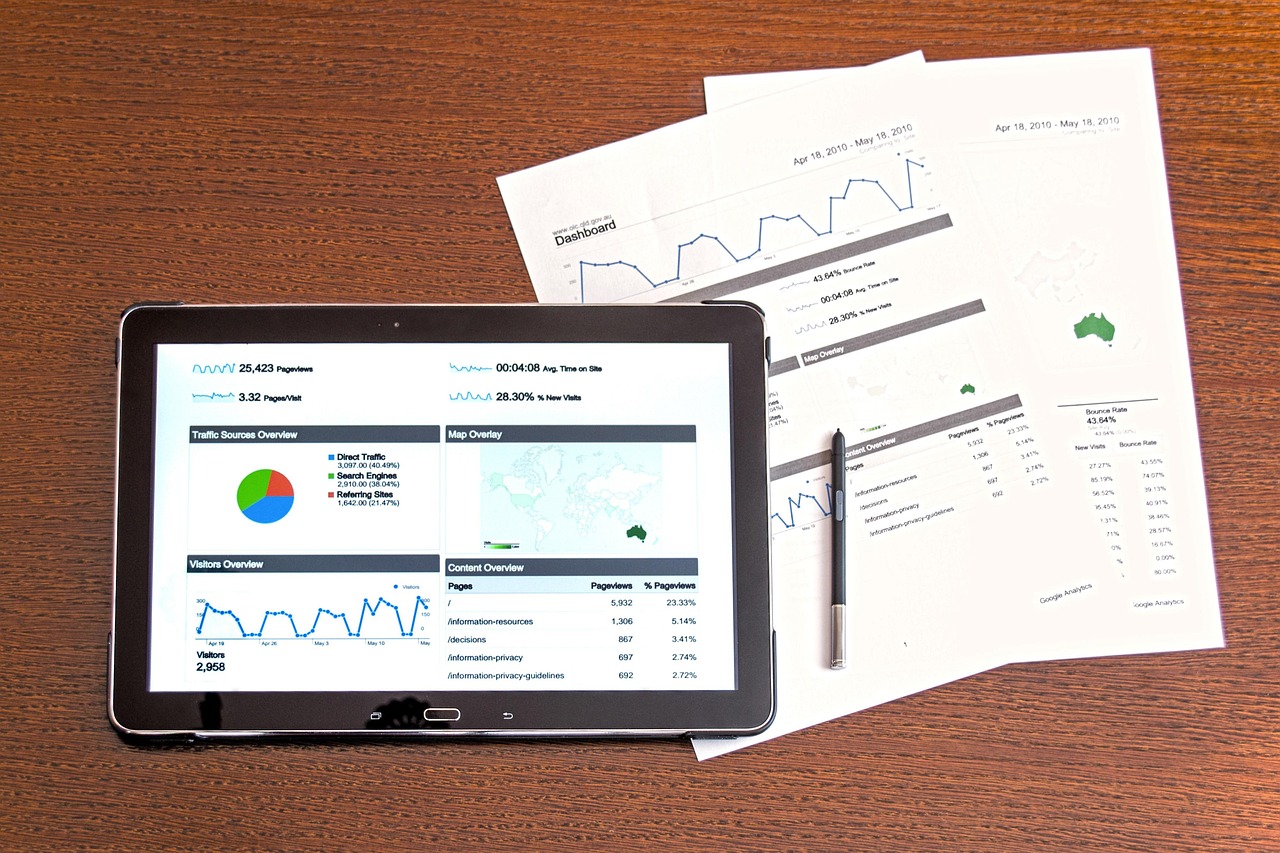

Understanding Instagram Insights
Instagram Insights is a powerful tool that allows marketers to dive deep into the data generated by their Instagram accounts. This built-in analytics feature provides detailed metrics on follower demographics, engagement rates, and post performance. By examining the analytics for each post, marketers can assess what type of content resonates most with their audience. Moreover, Instagram Insights helps identify peak engagement times, aiding in the timing of future posts. To maximize the benefits of Instagram Insights, marketers should regularly analyze their metrics instead of relying solely on their intuition. Consistent monitoring can reveal trends, such as the best days and times to post. Understanding the reach and impressions allows marketers to refine content strategies continuously. Additionally, Instagram Insights provides valuable data on Stories and how many users viewed each slide. Collecting and analyzing this data can steer marketers toward creating content that encourages interaction. Combining this information with external analytics tools is crucial for developing a well-rounded marketing strategy. Marketers can leverage other metrics that Instagram itself may not offer, thus providing a comprehensive understanding of their social media performance.
Utilizing Third-Party Analytics Tools
Third-party analytics tools, such as Hootsuite Insights, Sprout Social, and Iconosquare, provide Instagram marketers with additional layers of analysis. These platforms offer features that complement the data from Instagram Insights by providing more in-depth metrics. Unlike Instagram’s native tools, third-party applications track competitor performance, helping marketers analyze their positioning within the market. Furthermore, they often come equipped with advanced options for engagement tracking and user sentiment analysis, which can reveal how audiences feel about certain posts or brands. Additionally, features like comprehensive reporting and customizable dashboards help streamline data visualization, making it easy to interpret results. Most importantly, these tools often provide cross-platform analysis, allowing marketers to compare performance across different social media channels. By utilizing both Instagram Insights and third-party analytics, marketers can establish a more holistic view of their social media strategy. The integration of various data sources empowers marketers to craft more targeted campaigns that resonate with their audience. Therefore, investing in these tools is a wise choice for marketers looking to elevate their Instagram marketing efforts significantly.
Integrating Insights with Third-Party Tools
Integrating Instagram Insights with third-party analytics tools enhances overall data effectiveness. Marketers should look to consolidate the findings from both resources for more actionable insights. This is particularly relevant when tracking user engagement and campaign performance. For instance, Instagram Insights will provide a solid understanding of follower activity, while a third-party tool can analyze placement and outcome across various campaigns. Adjustments based on these insights can significantly improve engagement metrics. Moreover, by understanding how Instagram posts perform in correlation with external tools, marketers can uncover potential weaknesses in their current strategy. By adjusting accordingly, they can develop engaging content that resonates with their audience. Additionally, combining insights can lead to a more accurate persona creation, allowing marketers to segment their audience more efficiently. The goal is to utilize both types of data to inform better posting strategies, timing, and the mix of content types. This integrated approach fosters a responsive and adaptable marketing strategy enabled by ongoing, data-driven decisions that lead to better ROI on Instagram. Therefore, leveraging both sources is vital in today’s competitive social media landscape.
Instagram Insights delivers valuable data but must be integrated with other analytics for maximum effectiveness. Marketers should focus on identifying key performance indicators that matter most to their objectives. For instance, engagement rates, follower demographics, and reach metrics can provide great baseline data. Adjusting social media strategies based on these insights can lead to improved performance. Third-party tools can help in this area, allowing marketers to track trends and optimize campaigns accordingly. These platforms often offer comparative analytics across social channels, revealing insights that Instagram alone cannot deliver. Their insights can be crucial for understanding influencer collaboration successes or failures. Furthermore, marketers can create custom reports that focus on specific performance metrics tailored to their campaigns. Therefore, consistency in monitoring and adjusting strategies based on both data sets is crucial. Tracking engagement with a timeline helps in understanding which strategies yield success, creating a cycle of informed decisions that propel Instagram marketing forward. Continuous learning through the data enhances marketers’ overall performance, thus leading to lasting brand awareness and loyalty. In today’s rapidly changing social media landscape, adapting and optimizing is vital for sustained success.
To further enhance Instagram marketing strategies, understanding user feedback is essential. Both Instagram Insights and third-party tools often provide sentiment analysis features for marketers. Monitoring how audiences react to posts will determine future content directions. Positive feedback can confirm the brand’s direction, while negative feedback can help identify areas of improvement. Collectively evaluating feedback can also gauge the emotional connection users feel toward a brand or content. Furthermore, exploring tools that incorporate artificial intelligence-powered sentiment analysis can provide deeper insights. By understanding user sentiments, marketers can adjust their strategies to align more closely with audience expectations. Additionally, incorporating feedback into product designs or that of promotional content establishes a feedback loop that enhances product quality. Thus, sentiments gathered through insights can lead to richer content strategies that resonate well with followers. Regular evaluations based on audience reaction establish an adaptive marketing cycle. In today’s competitive Instagram landscape, the ability to evolve based on user sentiment can truly set brands apart. Therefore, leveraging a combination of insights is a game-changer for successful Instagram marketing.
Effective Instagram marketing requires a multi-faceted approach to data analytics. Marketers must blend Instagram Insights with third-party analytics to develop comprehensive strategies. Tracking metrics like engagement and reach fosters a data-driven culture within marketing teams. Moreover, analyzing data from these tools can lead to better audience understanding, ultimately informing content creation approaches. Understanding which audience segments are responding positively can allow marketers to tailor posts specifically to these groups. This tailored approach enhances follower engagement, leading to a deeper overall connection. The emergence of new analytics tools forces marketers to stay current with emerging trends. In a constantly evolving digital space, adapting quickly to new metrics can be a competitive advantage. Therefore, it is vital to choose tools aligning with the brand’s goals. Incorporating data best practices ensures that the insights gained can directly influence marketing success. Continuous learning also allows marketers to implement innovative strategies that enhance their effectiveness on Instagram. Consequently, organizations that leverage these insights and adapt quickly will see improved performance metrics in their campaigns. This ongoing cycle of growth is crucial in driving long-term brand loyalty.
The landscape of Instagram marketing is ever-changing, hence the consistent need for adaptation. Using both Instagram Insights and advanced third-party analytical tools creates a robust analytic framework. This framework effectively processes large quantities of data for better foresight into market trends. A thorough understanding of the data informs budget allocation for marketing campaigns. By identifying which types of posts yield the best returns, marketers can make data-backed investment decisions. Additionally, these insights guide marketers on the right mix of organic and paid strategies. The ultimate aim is to determine which posts drive user action, such as visiting a website or making a purchase. Therefore, budgeting based on insights leads to more efficient spending for future campaigns, enhancing return on investment. In conclusion, marketers who integrate insights effectively can make well-informed decisions to drive engagement. Fostering this adaptability encourages innovation in content strategies. Therefore, creating a culture that values data-driven decisions will shape the future of Instagram marketing success. Thus, the combination of Instagram Insights and third-party tools serves as a cornerstone in this dynamic landscape.
To sum up the discussion on Instagram Insights and third-party tools for marketers, both have integral roles. Utilizing Instagram Insights allows marketers to understand follower engagement dynamics, while third-party tools add in-depth analysis. Integrating the data from both sources fosters improved marketing strategies tailored to address audience desires and preferences. Additionally, this combination forms a comprehensive understanding that guides content direction, timing, and overall campaign effectiveness. Furthermore, marketers can continuously adapt strategies based on evolving audience trends, nurturing a responsive marketing environment. By investing in insights and analytical tools, one can enhance return on investment significantly. Engaging content that resonates with followers leads to increased brand loyalty. Ultimately, understanding and analyzing both data sets form the foundation of effective marketing in a competitive environment where staying ahead matters. As marketers, it’s crucial to approach Instagram marketing with analytical rigor and creativity. The blend of insights and creativity leads to marketing success. Thus, one can continually shape and refine their Instagram strategies, enabling brands to flourish in a fast-paced digital world. In conclusion, an analytical approach paired with creative content marketing allows marketers to excel.