
Navigating Ethical Dilemmas in Reporting Hate Speech Cases
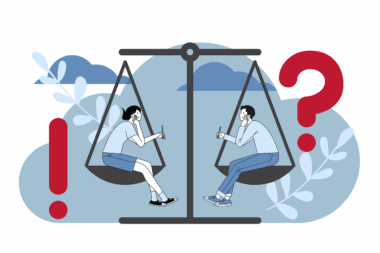
In today’s digital landscape, social media platforms are inundated with content, making it increasingly challenging to address hate speech ethically. Hate speech is any communication that denigrates an individual or group, often based on characteristics such as race, gender, or religion. It creates a hostile environment, especially for marginalized communities. Ethical reporting is crucial as media outlets grapple with the responsibility of amplifying voices while addressing harmful narratives. This balance is critical not just for societal well-being but also for maintaining trust in journalism. The handling of hate speech must consider both the impact on victims and the freedom of expression. Journalists and content creators must be aware of context when reporting these cases. They should educate audiences about what constitutes hate speech and the consequences of its proliferation. The media’s role can become a double-edged sword, where the intention to inform or condemn may inadvertently contribute to further harm. Therefore, maintaining a constant dialogue among stakeholders is vital to ensure that ethical standards guide the reporting process effectively.
Hate speech reporting involves multiple layers of ethical considerations that professionals must navigate with care. It is essential to understand that censorship can lead to accusations of bias or suppression of free speech. However, failing to report hate speech can result in the amplification of harmful ideologies. Media outlets need to develop clear guidelines that distinguish between objective reporting and the potential risks involved. Organizations like the Society of Professional Journalists provide valuable codes of ethics that can guide decisions. Moreover, context is key in these discussions—critically assessing the target, intent, and the potential outcomes of sharing hate speech. The media’s responsibility is not just to inform but also to educate viewers about societal issues surrounding hate speech. Therefore, encouraging constructive dialogue and providing tools to combat hate speech are crucial. Journalists should collaborate with social scientists, activists, and educators to craft comprehensive narratives. By broadening perspectives, media professionals can present issues of hate speech with the nuance required to foster understanding and empathy within communities that may be affected.
Best Practices for Ethical Reporting
To navigate the complexities of hate speech reporting, certain best practices should be embraced. Clear definitions of hate speech must be established, preventing ambiguity in reporting. First, familiarize yourself with specific legislation that governs hate speech, such as local laws and regulations. Secondly, prioritize sourcing information from credible experts and victims instead of amplifying harmful rhetoric. Personal stories shared by affected individuals can humanize the issue and drive home the need for accountability. Thirdly, sensitivity in language is essential; journalists should strive to understand the weight of words. Using terminology correctly not only informs readers but also contributes to societal change. Additionally, offer solutions as part of the reporting process by showcasing proactive community responses to hate speech. By including resources or contact information for support organizations, media can play a significant role in combatting hate speech effectively. Lastly, continuous training and education regarding hate speech for journalism professionals should be a priority, ensuring they remain equipped to handle these ethical dilemmas confidently.
Engaging with audiences on social media platforms can further enhance ethical reporting of hate speech. Organizations should foster dialogues, encouraging the public to share their viewpoints while maintaining respect and decorum. The feedback collected can provide valuable insights into public sentiment and awareness regarding hate speech. Additionally, employing transparent communication practices builds trust, explaining why specific content may be shared or addressed. Furthermore, providing platforms for marginalized voices can empower those most impacted by hate speech, enabling them to share their narratives authentically. Micro and macro-level engagement through various media formats, such as podcasts or video explainers, can effectively reach diverse audiences. Organizations can also utilize analytics tools to monitor how hate speech evolves within online communities and adapt their response strategies accordingly. Partnering with technology platforms can enhance detection and reporting mechanisms for hate speech, inputting a vital resource for communities. In essence, using social media responsibly not only rehabilitates journalists’ roles but also ensures conscientious engagement with serious societal issues surrounding hate.
Community Responsibility and Impact
Ultimately, addressing hate speech requires a collective effort involving various stakeholders. Community responsibility extends beyond media, making it essential for social media platforms, users, and organizations to join the battle against hate speech collectively. By implementing robust reporting mechanisms, community members can hold each other accountable and foster a safer online environment. Engaging in local activism is another way to combat hate speech. Grassroots initiatives can provide education and raise awareness about the harmful effects of hate speech while promoting respect and understanding among community members. Organizations should also advocate for better policies and practices within social media that prioritize ethical standards in content moderation. Furthermore, workshops and panels with community leaders can foster ideal discourse around hate speech, arming individuals with the tools they need to navigate conversations around this topic. Fostering an inclusive environment can lead to improved community relations, tackling harmful rhetoric head-on. By collectively addressing hate speech, society can create a culture of inclusiveness and empathy while reinforcing the importance of ethical practices in every aspect of life.
Lawmakers and policymakers play a pivotal role in shaping the ethical landscape of hate speech as well. They should engage in continual dialogue with media and technology leaders, fostering collaborations that enhance community responses to hate speech. Legislation should reflect evolving societal values, taking into account both free speech and the rights of marginalized populations to live without fear of harassment. Implementing policies that emphasize prevention, education, and rehabilitation can change hate speech dynamics in significant ways. Moreover, the integration of educational programs in schools addressing the implications of hate speech is vital for cultivating empathy among young individuals. By preparing future generations for responsible social media usage, society can mitigate the cycle of hate. Lastly, international collaboration is essential in combating global hate speech trends, as digital platforms transcend borders. Learning from other nations’ strategies and experiences in addressing hate speech can lead to a comprehensive approach to combating this issue worldwide. Media professionals should advocate for policies that harmonize the fight against hate speech, paving the way toward a more just and ethical society.
Conclusion: Embracing Ethical Standards
In conclusion, navigating ethical dilemmas in reporting hate speech requires a multidimensional approach. Media professionals, community members, and policymakers must collaborate to create environments that prioritize respect, understanding, and accountability. Ethical reporting must embrace accurate definitions of hate speech, promote transparency, and establish community engagement. Furthermore, the role of education in shaping public perception is indispensable. By developing best practices and training standards that guide ethical reporting, media can effectively counter hate speech’s pervasive nature. Partnering with educational institutions and community organizations can enhance awareness while fostering dialogue necessary for reconciliation and understanding. Consideration of broader social impacts must always remain at the forefront of these efforts. Placing value on diverse narratives from affected populations not only informs but also adds nuance to discussions on hate speech. Ultimately, it is the responsibility of everyone to ensure that hate speech does not dominate social discourse. Adopting best practices in ethical reporting enables journalism to fulfill its potential, pioneering social change while validating every voice in our diverse society.