
Mobile Social Media Accessibility: Case Studies and Success Stories
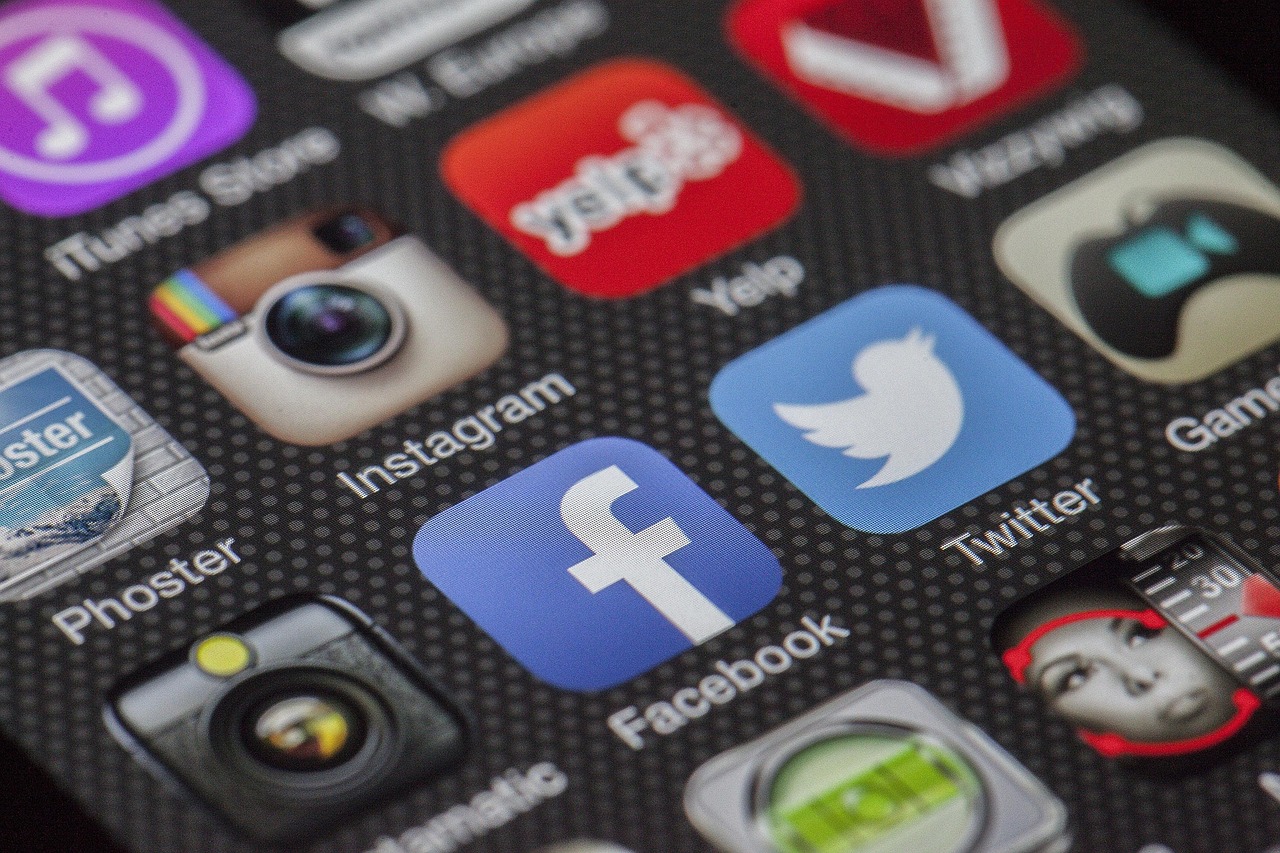
Mobile social media platforms have increasingly integrated accessibility features designed specifically for users with disabilities. These features aim to enhance the user experience, allowing people to connect and share their lives online without barriers. Leading platforms like Facebook and Twitter have made strides in this area. Facebook provides automatic alt text for images, which describes visuals for individuals using screen readers. Twitter allows users to add alt text to images. These advancements matter because they empower users to engage more fully in online communities, irrespective of their physical challenges and disabilities. Accessibility increases overall user satisfaction, engagement, and retention rates. By embracing inclusive design, mobile social media applications foster community and connection, making sure that no one is excluded. As we observe these changes in the social media landscape, it’s essential for developers to continue refining these tools and maintaining a focus on universal design. Usability testing with disabled users can provide critical insights into overall navigation and experience, ensuring that these features are not just add-ons but integral to the experience.
One notable success story involves Instagram’s efforts to enhance accessibility for its users. The platform has rolled out features like captions for videos, which help users who are hard of hearing engage with multimedia content. Captioning ensures that videos are understandable to everyone, providing a richer experience. In addition, Instagram supports the use of voiceover technology, allowing users to navigate the app hands-free and access content intuitively. These modifications contribute to a more inclusive environment, allowing all users to explore creative possibilities on the platform. Feedback from the community plays a crucial role in these developments. By actively seeking input from users with disabilities, Instagram evolves its features to ensure users’ voices are heard. This iterative approach not only improves functionality but also builds trust among users, encouraging them to participate and share their stories. As social media continues to evolve, platforms that prioritize accessibility are more likely to thrive. The commitment to accessibility demonstrates a brand’s dedication to inclusivity and responsibility, leading the way for industry-first innovations. These efforts ultimately reflect social progress towards equal access.
Case Study: Twitter’s Accessibility Innovations
Twitter has implemented several accessibility initiatives aimed at ensuring all users can participate meaningfully. One of the essential tools Twitter has introduced is the ability for users to read tweets through a screen reader effectively. This feature is vital for users who rely on assistive technologies to navigate content. Moreover, Twitter has improved the visual layout of its app, enabling better contrast between text and background colors, which assists users with low vision or color blindness. To further enhance user experience, Twitter offers customizable text size options, allowing individuals to select what works best for them. The ability to personalize the display settings is crucial, as it empowers users to tailor their experience according to personal needs. Additionally, regular updates and redesigns are informed by feedback from users with disabilities, supporting continuous improvement. Accessibility isn’t just a compliance checkbox for Twitter; it’s part of their core mission to enhance user communication. By actively promoting accessible features, Twitter showcases commitment, encouraging greater participation and reducing stigma, ensuring everyone can be part of the conversation.
Snapchat has recognized the importance of accessibility, particularly in youth-centric spaces. The platform has made strides in creating an inclusive environment through various features. For instance, it introduced a function that lets users insert captions onto their Snaps, enabling hard-of-hearing individuals to grasp context. Additionally, Snapchat has rolled out a variety of filters and effects that automatically adjust to different lighting situations, which is crucial for users with visual impairments. Providing educational resources on using accessibility features ensures that users are aware of tools that can enhance their experience. By focusing on young users, Snapchat shapes social media habits early on, emphasizing the need for inclusivity. The importance of designing apps with a forward-thinking mindset can pay off as these young individuals become future decision-makers in technology. By fostering an inclusive culture now, Snapchat ensures that accessibility becomes a standard expectation rather than an afterthought. Engaging young audiences through educational campaigns about these features encourages a consistent dialogue about accessibility’s role in future innovations.
Accessibility in Emerging Platforms
As new social media platforms emerge, their approach to accessibility can shape the industry landscape. TikTok has become a powerful voice for creativity and self-expression among younger audiences. Recognizing this, TikTok has introduced features like auto-captioning on videos, making it easier for deaf and hard-of-hearing individuals to experience content meaningfully. Additionally, TikTok encourages creators to add captions manually, promoting a diverse range of inclusive content. Engaging with regional communities can help assess users’ needs and incorporate relevant cultural nuances into the platform’s design. By prioritizing accessibility from the start, emerging platforms can attract broader audiences while ensuring inclusivity remains integral to their ethos. This commitment can set a benchmark for existing social media giants, prompting them to innovate further. The willingness of users to report accessibility issues shows community investment. Engaged audiences help shape platforms’ long-term strategies, ensuring accessibility efforts are not just passive. TikTok exemplifies how emerging platforms can redefine user experiences while keeping accessibility front and center.
Social media accessibility is not merely a trend; it represents a shift towards inclusivity that resonates throughout society. Numerous success stories illustrate the profound impact of accessible mobile social media features on individual lives. Research suggests that increasing accessibility significantly boosts community engagement and retention among disabled users. Investing in accessible features yields tangible benefits not only for users but also for the platforms themselves. They gain loyal user bases while fostering a reputation for social responsibility. Brands benefit from a diverse community willing to share their content, driving visibility and brand awareness. The ripple effect of accessibility resonates beyond technology—compassion and empathy enhance societal connections. As platforms adopt inclusive practices, they raise awareness about disabilities and promote advocacy. This commitment to diversity fosters empathy and understanding, bridging divides often present in society. The need for equal access is not relegated to just a physical experience; it extends into digital interactions. Accessibility in mobile social media encourages open conversations around representation and equality, paving the way for lasting societal change.
Looking Towards the Future
The future of mobile social media accessibility looks promising as technological advances continue to drive innovation. Platforms are exploring artificial intelligence to enhance features designed for persons with disabilities. Smart assistants are being integrated into mobile social media, allowing for voice commands and new ways to engage and navigate content. This technology can revolutionize the user experience. Imagine navigating platforms with minimal physical interaction—this development can put power back into the hands of users with various disabilities. Moreover, incorporating machine learning can help platforms learn individual preferences, offering tailored experiences. As society grapples with emerging technologies, conversations about ethics and inclusion become crucial. Building networks that promote inclusion should be a priority, ensuring technological inequities decrease rather than widen. A collaborative approach among developers, activists, and users can accelerate progress. Social media ultimately has a significant role in shaping how accessibility is perceived and prioritized in technology. Ensuring that voices are heard in shaping future innovations can drive accountability for inclusive practices that benefit all.
Ultimately, the commitment to accessibility in mobile social media creates more inclusive environments, allowing everyone to connect. Understanding and overcoming barriers ensures that users of all abilities can share, learn, and grow. Platforms that prioritize accessibility recognize that inclusivity enhances user experience and customer loyalty. With the continued push towards equality, every social media initiative should strive to include accessibility at its core. The combination of user feedback, innovations, and ongoing testing fosters a sense of community ownership and shared responsibility towards inclusivity. As the user base diversifies, it becomes increasingly apparent that improvements are not merely desirable but essential. Accessible features should become the norm rather than the exception; thus, brands can cultivate deeper connections with their audience. Investing in these changes enhances usability and establishes platforms as socially responsible leaders. Social media has immense power to bridge gaps between various communities; this responsibility should not be taken lightly. The successes achieved so far provide the foundation for future innovations in mobile social media accessibility. Encouraging collaboration will fuel ongoing developments that create more meaningful and engaging user experiences.