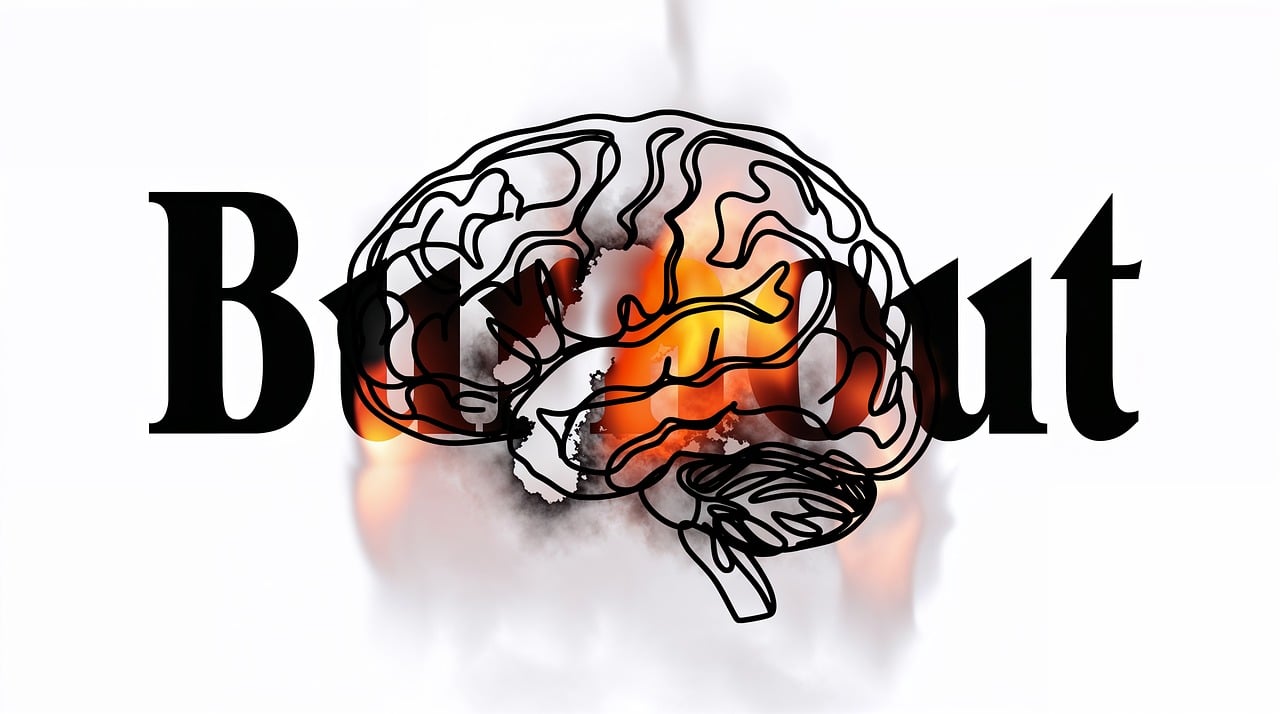

The Impact of Crisis Fatigue on Social and Psychological Resilience
Crisis fatigue is a condition that arises due to prolonged exposure to distressing events. It significantly affects individuals’ mental health and alters their social interactions. The accumulation of stress from ongoing crises, such as pandemics or natural disasters, leads to emotional exhaustion and detachment. People dealing with crisis fatigue may experience feelings of hopelessness or anxiety, hindering their ability to cope effectively. Social connections may weaken as individuals withdraw, leading to isolation. Resilience is compromised as one’s ability to adapt is diminished. Awareness of the psychological effects of repeated crises is essential. Many people may feel overwhelmed and powerless, which can trigger defense mechanisms. Effective communication and support systems are crucial in mitigating the negative impacts of crisis fatigue on mental well-being. Fostering community support encourages engagement and provides a shared experience, which can enhance resilience. Ultimately, it is important to recognize signs of crisis fatigue to implement appropriate interventions. Communities must prioritize mental health resources and offer help to those in distress to build stronger and more resilient societal structures in these challenging times.
Understanding Crisis Fatigue
The phenomenon of crisis fatigue is highly relevant in the context of overwhelming stress induced by social, economic, or environmental crises. The constant bombardment of alarming news and uncertainty about the future can lead to cumulative psychological stress. People may experience a sense of numbness or apathy as they adjust to the new norms of living under stress. This fatigue manifests through various symptoms such as chronic fatigue, irritability, or a diminished zest for life. Many turn to maladaptive coping mechanisms like substance use or disengagement from reality, further complicating the situation. Awareness and education about crisis fatigue are vital for communities. Understanding its implications can lead to more effective support systems. It is important to recognize that the emotional toll taken on individuals can spiral into a broader societal issue. Therefore, fostering discussions about mental health would be beneficial. Collaborative efforts are essential to address the deep-seated issues associated with prolonged crises. Integration of mental health resources into community planning can effectively reduce the adverse conditions that arise with crisis fatigue and promote resilience among individuals.
Furthermore, the psychological aspects of crisis management require a comprehensive approach that recognizes the persistent stressors in life. Individuals are often unaware of their declining mental health until significant changes become apparent. Incorporating resilience training in public health initiatives can act as a preventive measure. Research shows that those equipped with coping strategies are more likely to bounce back from adversity. These strategies may include stress management techniques, mindfulness practices, and strong social support networks. The role of family and friends cannot be overstated as discussions within these circles can foster understanding and empathy. Empathy plays a significant role in building emotional connections and reducing feelings of isolation and fatigue. Moreover, community resilience programs must encompass diverse activities that engage citizens. Encouraging participation in community volunteering or group activities strengthens social bonds. Thus, collective resilience is created, which enhances overall well-being during times of crisis. Ultimately, these measures contribute to a more resilient society. The integration of mental health resources, resilience training, and community engagement fosters a supportive environment that can withstand and recover from crises more effectively.
The Role of Communication
Communication plays a groundbreaking role in managing crisis fatigue effectively. Open channels of communication allow individuals to express their feelings and share their concerns during challenging times. Leaders and community organizers should emphasize transparency and frequent engagement. Addressing fears directly and providing factual information can help ease the mental burden faced by many. Additionally, listening to the community’s voices can guide better decision-making and resource allocation. Support groups run by mental health professionals can be beneficial, allowing individuals to connect with others experiencing similar struggles. Active listening and validating emotions contribute to healing and resilience as community strength is reinforced through shared experiences. Further, harnessing digital platforms enables wider reach and accessibility in crisis communication. Online workshops and webinars can promote mental health awareness and resilience skills. The role of social media cannot be underestimated; it can act as a double-edged sword but when used positively, it serves as a source of community support and shared resilience. Thus, effective communication strategies can significantly mitigate the effects of crisis fatigue. Utilizing diverse communication forms can foster a more connected community during extended periods of distress.
Moreover, incorporating mental health education into school curricula is a proactive step toward combating the effects of crisis fatigue. Children and adolescents face unique challenges as they navigate their development amidst crises. Developing emotional intelligence and coping strategies at a young age equips them with tools for resilience. Schools can create safe environments where discussing feelings is normalized and encouraged. Programs focusing on emotional well-being can address stress management, mindfulness, and the importance of community support. This knowledge lays the foundation for future generations to handle crises more adeptly. Additionally, parents play a crucial role in behavioral modeling for their children. Open communication and emotional support within families promote healthy coping mechanisms. When children see their parents managing stress effectively, they are likely to adopt similar patterns. Schools and families can collaborate to establish a holistic approach to mental health education. Encouraging teamwork fosters a culture of connectedness. The synergy between home and school can be instrumental in nurturing a mentally resilient generation. Ultimately, addressing mental health education significantly impacts overall community resilience as individuals grow into informed and emotionally intelligent adults.
Long-term Impacts of Crisis Fatigue
The long-term effects of crisis fatigue can manifest in various mental health issues if not adequately addressed. Individuals may experience chronic anxiety, depression, or post-traumatic stress disorder (PTSD) stemming from unresolved stress. Long exposure to crises can lead to feelings of helplessness, further exacerbating mental health challenges. It is crucial to recognize these symptoms early to facilitate timely interventions. Mental health services should be readily available and accessible to all members of the community. Education and awareness efforts regarding the consequences of crisis fatigue can empower individuals to seek help. Additionally, community-driven mental health initiatives can foster environments where individuals feel safe discussing their struggles. Normalizing mental health conversations reduces stigma and encourages proactive measures. As more individuals share their experiences, it builds a collective resilience that can withstand ongoing crises. Strategies focusing on long-term recovery should be incorporated into crisis management plans. These strategies may include sustained mental health support and continuous community engagement. The sooner proactive strategies are implemented, the more successful recovery efforts will be. Therefore, community resilience is significantly impacted by addressing the long-term implications of crisis fatigue effectively.
In conclusion, the psychological aspects of crisis management require a multifaceted approach to effectively address the challenge of crisis fatigue. Engaging communities and fostering resilience must become a priority during and after crises. Collaborative efforts among mental health professionals, educators, and community leaders create a solid support system. By embracing educational initiatives, communication strategies, and community projects, societies can build a more robust framework for resilience. This framework should include mental health resources, openness in discussing feelings, and opportunities for individuals to connect. As crucible experiences shape communities, understanding the nuances of crisis fatigue empowers individuals to enact meaningful changes. Ultimately, prioritizing mental health provides individuals with the tools necessary to navigate crises. The cumulative effect of individual resilience enhances the entire community’s ability to thrive despite challenges. As we move forward, we must focus not only on recovery but also on fostering proactive mental health practices. A proactive approach ensures that communities are well-equipped to mitigate the adverse impacts of crisis fatigue. Together, societies can emerge stronger and more unified, ready to face future challenges head-on.