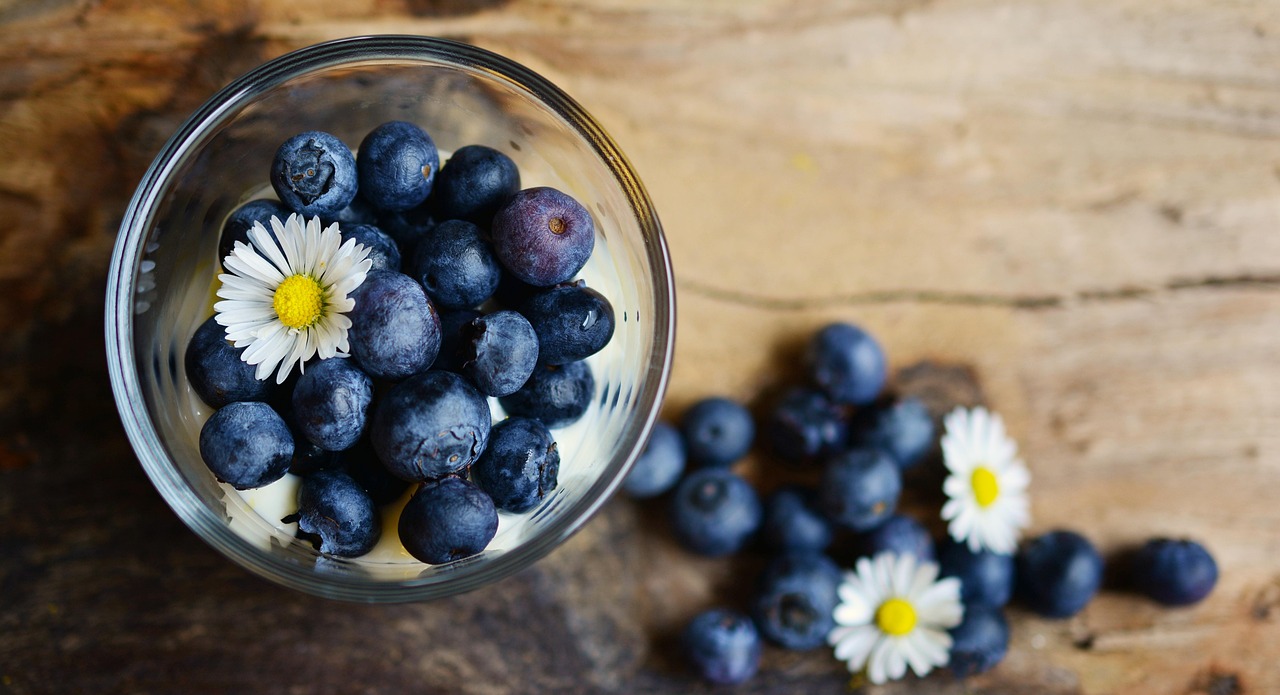

Creating Visual Content for Your User Recipes: Photography Tips
Photography is essential for showcasing user-generated recipes effectively. Great visual content captures attention and enhances engagement. Start by ensuring your ingredients are prepped and arranged appealingly. This will not only save time during the shoot but will also contribute positively to the final image. Experiment with different backgrounds such as wooden boards or textured fabrics to create depth. Use natural light whenever possible; shooting near a window can illuminate your food beautifully. Avoid flash, as it often creates harsh shadows that detract from the food’s appeal. Instead, employ reflectors to bounce light onto the dish. Position your dish in a way that showcases its best angle, often at a 45-degree angle to the camera. Utilize simple props such as utensils or napkins to add context without overwhelming the viewer. Keep your focus on the food, ensuring the main subject is sharp and clear. Take multiple shots from various angles and compositions to capture the perfect moment. Review your shots afterward and choose the ones that best represent the dish you’re presenting. Ultimately, focus on portraying the experience of enjoying the dish through your photographs.
Next, consider the composition of your images. The rule of thirds is a beneficial guideline in photography, where you divide the image into nine equal squares using two horizontal and two vertical lines. Positioning key elements at intersections makes the photo feel more balanced and visually appealing. However, don’t hesitate to break rules as creativity often involves experimenting. Incorporate negative space effectively to draw attention to the dish, allowing the viewer’s eyes to focus on the subject rather than distractions in the image. Remember that colors play a vital role in food photography; vibrant colors tend to attract more attention. Use contrasting colors between the background and the dish to create a stunning image. Fresh herbs, colorful spices, and garnishes can amplify visual interest. Additionally, utilizing varying textures is equally important; including crisp vegetables alongside creamy sauces creates a dynamic presentation. Consider using selective focus to highlight certain parts of the dish while blurring others. This method can enhance the visual story you’re telling through your photography. Ultimately, practice and patience are key. Learn from your attempts, follow these tips, and gradually develop your unique food photography style.
Styling and Plating
Styling your food can make a significant difference in how it looks in photographs. Take the time to carefully plate each dish, paying attention to the arrangement and balance of colors. Use a variety of heights and shapes to create interest; stack or layer ingredients instead of simply laying them flat. Incorporate small bowls or ramekins for sauces or sides to enhance visual variety. Experiment with different sizes and shapes of plates to determine what works best for the dish at hand. Sometimes, less is more, so avoid overcrowding the plate, which can make the dish look sloppy. Additionally, using garnishing techniques can elevate the appearance of your dish. Fresh herbs, edible flowers, or a sprinkle of seasoning can add a pop of color and freshness. During the photoshoot, don’t be afraid to move elements around slightly to discover the best layout. Use tweezers or small tools for precision when adding delicate garnishes. Keep in mind that authenticity resonates with viewers; showing imperfections can create a sense of comfort in your images. Strive for a balance between aesthetic beauty and realistic portrayal of the food.
Camera settings are crucial when it comes to capturing user-generated content effectively. Regardless of whether you’re using a smartphone or a DSLR, understanding your camera’s settings can significantly influence the outcome of your photos. Begin by adjusting the aperture to control the depth of field. A wider aperture (lower f-stop number) blurs the background and highlights the food, making it the focus of the image. Conversely, a smaller aperture allows for greater detail when multiple elements are essential in the shot. Pay attention to your ISO settings; lower ISO settings are preferable in bright lighting conditions, while higher settings are useful in dimmer situations. Yet be cautious of noise that can arise with higher ISO. Adjust the shutter speed to prevent motion blur, particularly when shooting hand-held. Utilizing a tripod may be beneficial at lower speeds. Finally, familiarize yourself with the exposure triangle, which encompasses aperture, shutter speed, and ISO, to achieve the best results tailored to your setup and environment. Explore your camera options and settings to find your perfect photography style that enhances your recipe presentations.
Post-Processing Your Images
After capturing your culinary photography, the editing process can elevate your images even further. Basic edits can enhance the overall impact of your photos, making for more visually appealing posts. Start with cropping to focus on the dish and eliminate any unwanted distractions in the frame. Adjust the brightness and contrast to enhance colors without over-editing. Be mindful not to overly saturate your images, as this can distort the natural appearance of the food. Use tools like sharpening to add clarity where it counts, specifically on textures of the food. Additionally, consider using filters to create a consistent aesthetic across your images. Various editing apps and software can assist with these adjustments; popular options include Adobe Lightroom and Snapseed. Using presets can speed up your workflow while providing a polished finish. However, maintain a balance; authenticity should still shine through your edits. Remember, your goal is to enhance rather than mask the natural qualities of the food. Regularly editing your photos can create a cohesive look for your recipes, which can help strengthen your brand identity.
Finally, consider sharing tips and guidelines with your audience on taking great food photos themselves. Positioning users as key contributors enables their creativity to flourish while also enhancing your community’s interaction. Create a short guide or offer quick tips on composition, lighting, and styling their dishes. Engagement can be encouraged through challenges or contests that highlight user-generated content. For instance, set a themed recipe challenge and encourage participants to submit their images for a chance to be featured on your platform. Not only does this create compelling content, but it also fosters a sense of community among your users. Host a live Q&A about food photography, sharing your knowledge and experience with eager learners. This will not only excite your audience but also give them the tools they need to improve. Most importantly, celebrate the creativity and uniqueness of each submission. Your support can encourage users to experiment with their photography skills. Cultivating this shared space can significantly strengthen bonds among community members, making everyone feel valued and inspired in their culinary photography journey.
The Importance of Consistency
Consistency in your food photography is paramount for building brand recognition and trust within your audience. By maintaining similar styles, lighting, and editing techniques across your photography, you create a visually cohesive narrative that users can easily recognize. This entails establishing a signature style reflective of your personality and tastes, whether through color palettes, props, or specific backgrounds. Consider creating a mood board to outline the aesthetic you aim to achieve consistently. When your images resonate with clarity and purpose, they communicate a sense of professionalism in your content creation. Regularly evaluate and adjust your approach to stay aligned with the evolving trends in food photography and user-generated content. Additionally, engage with your audience’s feedback to refine your imagery further. Consistent visual content leads to higher retention rates; users are more likely to seek out your recipes when they can easily identify your content in their feeds. Grow your skill set by learning books, online courses, or short workshops focusing on specific aspects of photography to ensure improvement. Ultimately, consistency builds a captivating brand that firmly lays the foundation for a thriving online community.
In conclusion, mastering food photography, especially for your user-generated recipes, is a rewarding journey. Implementing these tips and techniques will undoubtedly enhance the visual quality of your content. Regularly assess your work, embracing critiques and suggestions as opportunities for growth. Photography is an art form and a fantastic way to express creativity; each dish tells a story worth sharing. Encourage users to experiment and develop their own unique style, while providing a platform to share their creations. Foster inclusivity by celebrating diversity in recipes and their presentation. Acknowledging various culinary traditions can enrich your community, making it a more vibrant space. Collaborate with your users, encouraging feedback and dialogue surrounding food photography. This engagement not only fuels passion and creativity but also strengthens community support within your platform. Emphasizing the importance of practice and evolving talent will enable your contributors to grow as photographers. Remind them that beauty lies in imperfection, and the journey in food photography is as enjoyable as the delicious dishes being captured. Engage authentically, and you will create a thriving community of passionate food lovers eager to share their stories through stunning visuals.