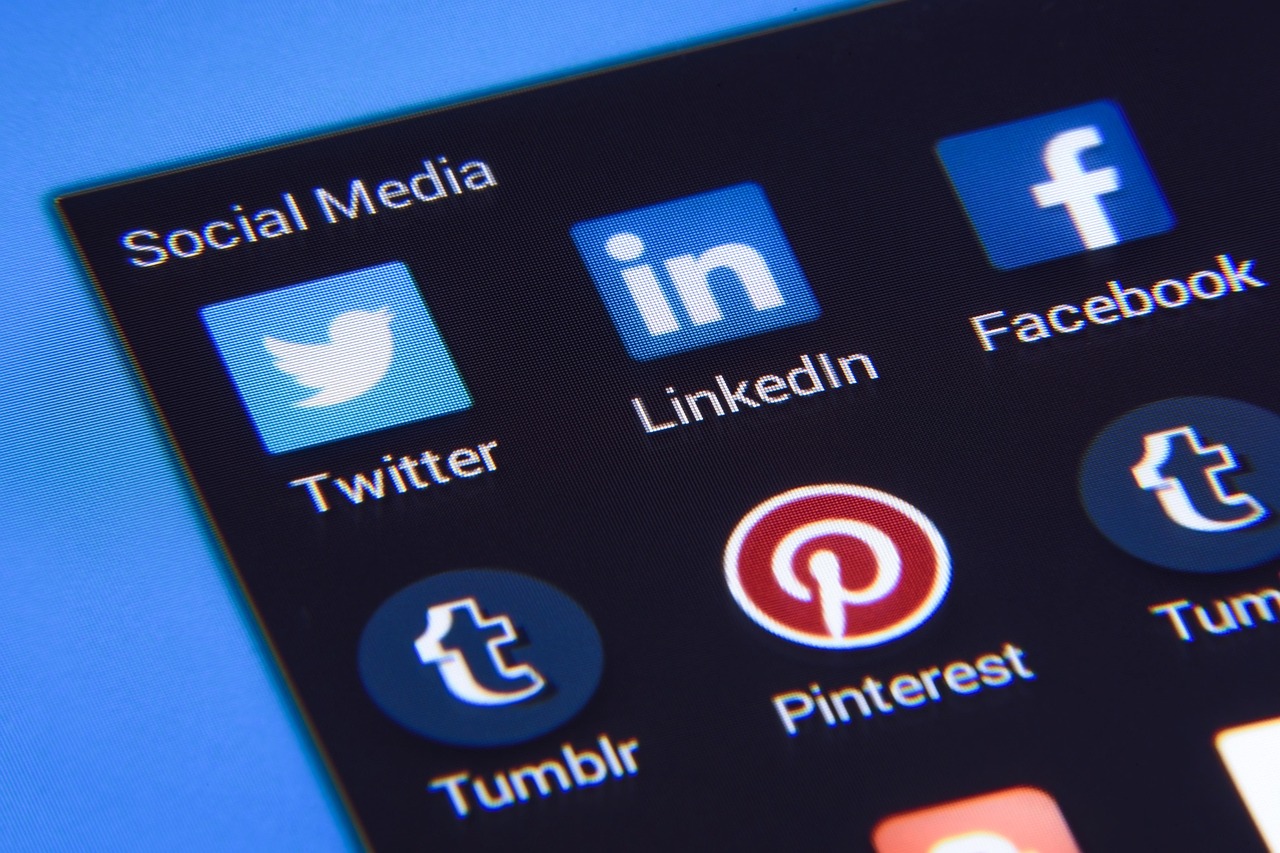

Best Tools for Designing Social Media Brand Assets
Creating a strong social media brand identity starts with having the right design tools at your disposal. Various platforms offer expansive functionalities for crafting visuals that stand out. For instance, Canva is widely regarded for its user-friendly interface and plethora of templates tailored for different platforms. Users can create a wide range of assets, including logos, infographics, and promotional posts. Similarly, Adobe Spark offers intuitive tools that allow you to develop eye-catching graphics effortlessly. With options to customize colors, fonts, and layouts, your brand’s personality shines through in every piece of content. Furthermore, Visme specializes in powering presentations and infographics, incorporating an extensive library of assets. In addition, Snappa is another great choice, granting users access to high-resolution images and advanced editing tools. Each option has unique strengths, so it’s wise to experiment with a couple of them to see what fits your specific branding needs best. Ultimately, the right design tools can help convey your brand’s message effectively, ensuring you leave a memorable impression across different social media channels.
Maintaining brand consistency is paramount in social media branding. Once you establish your identity with tools like the ones mentioned above, the next step is ensuring that your visuals remain cohesive. A strong brand identity can influence customer trust and recognition significantly. Utilizing a consistent color palette, font style, and logo placement can assist in creating a unified look across all platforms. Consider tools such as Brandfolder for managing your brand assets; it allows easy access to logos, color codes, and typography. Additionally, Looka is invaluable for generating unique logo designs while maintaining brand aesthetics. Using brand kits within these tools ensures that all team members utilize the same guidelines, aiding collaboration. Another notable mention is Figma; this powerful design tool allows users to work together in real-time. This collaborative feature can help multiple team members keep the brand voice consistent. Lastly, always revisit your brand guidelines periodically to ensure alignment with your evolving brand identity. Strong visual assets combined with a cohesive approach will help propel your social media presence to new heights, drawing in your target audience consistently.
Leveraging AI Design Tools
The emergence of AI design tools has transformed the way brands create assets, simplifying previously complex processes. Tools like Designhill utilize AI technology to provide customized logo designs quickly. Users input their preferences, and the tool generates a suite of designs tailored to their specifications. Similarly, Looka employs machine learning to produce branding options in real-time, offering an interactive experience. On the other hand, Canva’s AI features allow smart suggestions based on your past designs, streamlining your creative process. The integration of AI helps in reducing the learning curve for new users, empowering them to produce captivating designs with minimal effort. Furthermore, Stencil offers AI-generated quotes, making it easier to create motivational visuals for social media. By incorporating AI tools into your design arsenal, you can enhance both creativity and efficiency. These advancements lead to faster project completions and more innovative ideas for brand assets. As the technology continues to evolve, it will further revolutionize design methodologies, making high-quality visuals accessible to everyone, regardless of their design expertise.
Another critical aspect of designing social media brand assets is understanding the varying dimensions and requirements of each platform. Each social media site, be it Facebook, Instagram, or Twitter, has its specific image sizes and formats for optimal display. Tools like VistaCreate provide customizable templates based on predetermined dimensions that align with these standards. Additionally, utilizing a scheduling tool like Buffer can assist in previewing how each post will appear across diverse platforms before publishing. It’s crucial to adapt your brand visuals to meet each platform’s standards while retaining your unique identity. Snappa also assists with pre-set dimensions, ensuring that your graphics always look polished. As a bonus, using Crello grants you access to thousands of dynamic templates, making quick adaptations a breeze. Exploring these design tools not only saves time but also helps maintain professionalism across your social media presence. Adaptation to format changes ensures that your brand appears authoritative and polished, which can significantly enhance user engagement and interest in your offerings.
Creating Engaging Visual Content
Engagement on social media is heavily reliant on the quality of visual content. Apart from branding, developing eye-catching, shared content is essential. This is where Canva Pro becomes crucial; it allows for the animation of social media graphics, making them stand out in feeds. Moreover, incorporating high-resolution images sourced from platforms like Unsplash or Pexels lends credibility to your branded assets. Users appreciate visuals that are not only attractive but also resonate with their expectations. Visual storytelling can be enhanced with tools such as Animaker or Adobe Premiere Pro, offering video formats that capture attention. Utilizing the right tools ensures your content shares a narrative that aligns with your brand, thereby fostering deeper connections with your audience. Consider also adding interactive elements, such as polls or quizzes in your posts. These techniques stimulate engagement, allowing your audience to feel involved in your brand journey. In the competitive digital landscape, investing in tools that elevate the visual aspect of your brand can make a significant difference in audience retention and conversion rates.
A vital component in creating compelling social media brand assets is utilizing analytics tools that measure engagement and effectiveness. After investing time and resources in design, understanding how these assets perform is critical. Platforms such as Google Analytics and Hootsuite provide insights into audience interactions with your content. These tools help you identify which visuals resonate most, enabling optimization for future campaigns. Regularly reviewing your analytics allows you to adjust your strategies accordingly to maximize reach and engagement effectively. By knowing your target audience’s preferences, you can tailor your designs to foster higher interaction rates. For instance, if certain post formats yield superior results, consider focusing more resources on those types while continuing to assess other options. This approach allows for a cycle of continual improvement, ensuring your brand identity remains fresh and appealing. Ultimately, employing analytics in tandem with your design efforts helps you grow not just a brand but a community, strengthening relationships with your audience over time and enhancing the overall impact of your social media strategy.
Final Thoughts
In conclusion, producing quality social media brand assets requires an amalgamation of the right tools, creativity, and strategic planning. With options like Canva, Adobe Spark, and Visme, creating visually appealing designs has never been easier. Furthermore, in utilizing AI-driven tools and understanding platform-specific requirements, achieving cohesive, high-quality designs becomes seamless. Not only must visual appeal be a priority, but engagement and analytics must also align with your design strategy. Through consistent branding, eye-catching visual content, and ongoing assessment of performance analytics, you can create a robust brand identity that resonates with your audience. Finally, remember that design is an iterative process; continuous refinement brings about growth. Your brand may evolve over time, but the tools and strategies remain vital to adapt in a changing digital landscape. By leveraging the mentioned tools effectively, you can build a vibrant and appealing social media presence that leaves an impactful impression on your audience while achieving your business goals.
In a rapidly evolving digital landscape, standing out is essential for any brand’s success. As we navigate the shift towards more visual content, keeping informed about the latest design tools and technologies is crucial. The right resources enable marketers and creators to express their brand voice effectively, ensuring audience retention and engagement. Prioritizing an updated and cohesive visual identity across social media platforms helps to reinforce brand messaging while captivating consumers. Each new design tool offers opportunities for enhanced creativity and efficiency, so investing in these tools is integral. Ultimately, appealing branding leads to higher chances of recognition, trust, and conversion for your audience. A thoughtful approach towards shaping social media interactions, guided by effective tools, can lead to long-term growth and success within your niche. Your audience deserves memorable visuals that encapsulate your brand’s essence. As you embark on this design journey, let these tools empower your creativity while aligning your identity. Adopting a diverse range of functionalities will allow for more engaging visual content, benefiting your brand’s connection with its target audience. In doing so, you pave the way towards building a memorable and authentic brand presence.