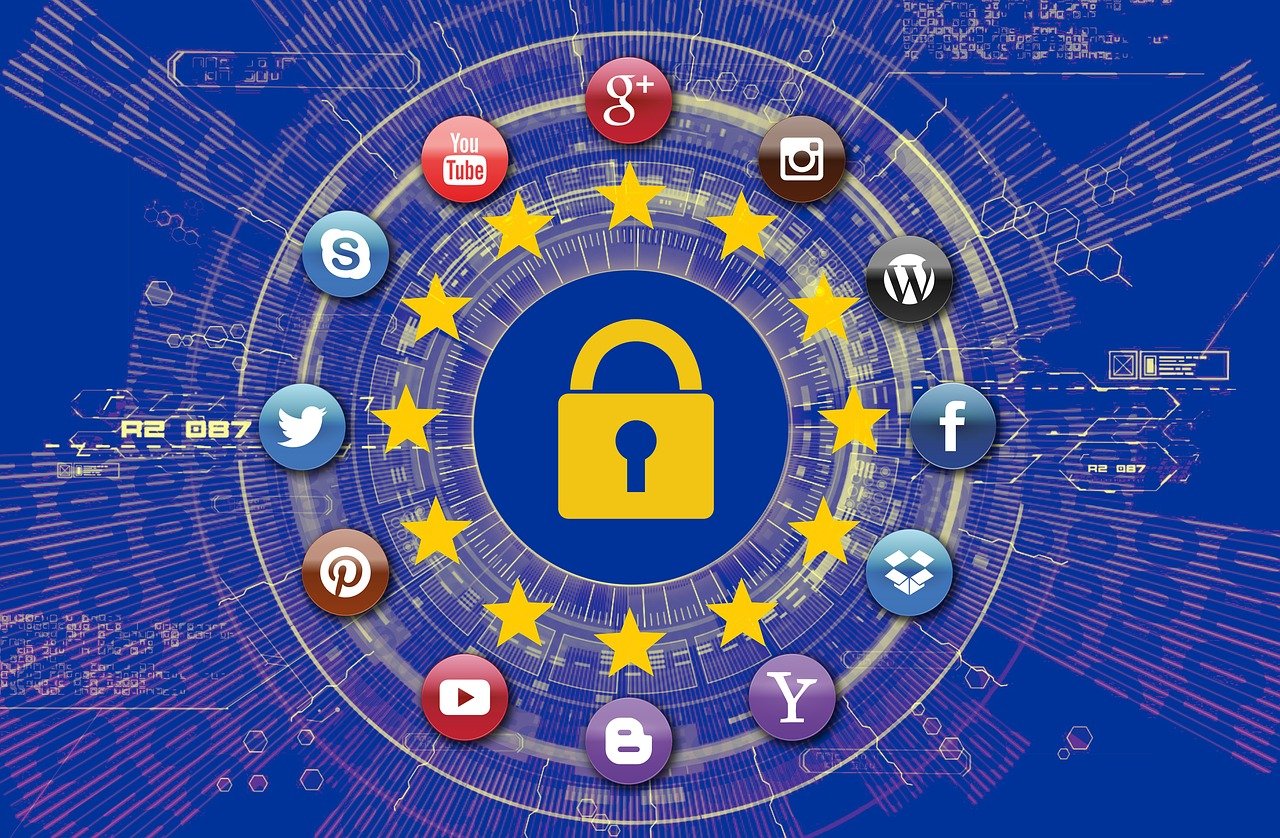

Complying with Anti-Spam Legislation in Social Media Messaging
In today’s digital landscape, compliance with anti-spam legislation plays a crucial role in social media messaging strategies. Organizations must navigate the complexities of legal frameworks designed to protect consumers from unsolicited communications. Familiarizing oneself with laws such as the CAN-SPAM Act in the United States and GDPR across Europe is essential. These laws aim to safeguard individuals from spammy emails and unwanted contact, promoting ethical communication practices. Brands engaging in social media must adopt a proactive approach that involves implementing robust policies around how they engage with users. This includes ensuring that consent is obtained before sending promotional messages or newsletters. A transparent policy not only helps in compliance but also fosters trust among consumers. Businesses should regularly review and revise their messaging strategies to align with the latest legal changes and industry guidelines. By being well-versed in applicable anti-spam laws, businesses can avoid hefty fines and protect their reputations. Ultimately, effective communication hinges on respecting user preferences and maintaining compliance with these important regulations.
One of the key components of ensuring compliance with anti-spam laws is understanding what constitutes spam in the realm of social media. Spam is generally defined as unsolicited or irrelevant messages sent to individuals or groups without their consent. The first step for companies is educating their teams about spam and its implications for their messaging practices. Training sessions can enhance the understanding of legal expectations and how messages should be crafted. Key considerations include the importance of providing opt-in opportunities, where consumers can willingly agree to receive communications. By allowing users to choose their preferences, brands not only comply with regulations but also increase engagement levels. Additionally, organizations should monitor their messaging frequency to avoid overwhelming users, as excessive messaging can lead to higher unsubscribe rates. Policies should clearly define the steps taken when users opt-out of communications, including prompt removal processes. Regular audits of social media messaging practices can ensure procedures remain effective and compliant. Keeping abreast of changes in legislation is equally important, as regulations can evolve rapidly. All staff involved in messaging should regularly update knowledge on anti-spam compliance to ensure adherence to laws.
Educating Your Teams on Compliance
Effective compliance with anti-spam legislation also hinges on robust internal communication. Organizations must ensure that all team members involved in social media understand the policies concerning messaging and outreach. Implementation of a thorough training program enhances employees’ understanding of their roles and responsibilities in adhering to anti-spam regulations. Moreover, clear guidelines outlining acceptable practices should be distributed and accessible. Regular updates and refresher courses can keep staff informed about current regulations and best practices. Furthermore, it’s advantageous to designate compliance champions within teams who can promote awareness and provide ongoing support. Such champions can be responsible for monitoring compliance efforts and educating colleagues about the implications of non-compliance. It’s also essential for marketing and legal teams to work collaboratively to develop messaging that aligns with legal guidelines. They should regularly communicate to ensure marketing strategies remain compliant with changing laws. Investing in compliance training can ultimately mitigate risks and preserve brand integrity. Organizations that prioritize understanding and adhering to anti-spam laws create a trustworthy environment for users, further enhancing their brand reputation.
Another important aspect of anti-spam compliance is understanding the role of consent in social media messaging. Obtaining explicit consent from users before sending promotional content is not just a legal requirement; it’s also a best practice for building positive customer relationships. Consumers appreciate when brands respect their privacy and preferences, which can lead to increased trust and loyalty. Clear and straightforward opt-in options should be presented to users, allowing them to choose what types of communications they wish to receive. This process should also be transparent, clearly explaining how their information will be used. Providing multiple channels for users to engage with the brand can further enhance their experience and willingness to opt-in. It’s equally important to offer easy methods for users to withdraw consent, reflecting a commitment to consumer rights and comfort. Websites, social media platforms, and emails should incorporate user-friendly unsubscribe functionalities, enhancing compliance efforts. This proactive approach allows brands to maintain healthy communication with willing participants while remaining within legal boundaries. Continuous assessment of consent practices is recommended to adapt to changing regulations and consumer expectations effectively.
Monitoring Messaging Practices
Regular monitoring of social media messaging practices is crucial for compliance with anti-spam legislation. Brands must maintain oversight on not only the content they share but also how that content is received by their audience. Feedback from users can provide valuable insights into how the messaging strategy aligns with consumer preferences and legal requirements. Utilizing analytics tools to track engagement rates and user comments can also help to fine-tune messages being sent. Unsubscribe and complaint rates should be examined closely, as these metrics indicate whether the audience finds the communications relevant or excessive. Organizations should have a system in place for handling complaints promptly and efficiently. Engagement with users who express dissatisfaction can also be a positive strategy for brand recovery. Additionally, businesses can benefit from conducting regular audits to ensure compliance with anti-spam laws. These audits should encompass message content, distribution methods, and the overall user experience with communications. By being proactive about monitoring and evaluating messaging practices, brands can ensure adherence to relevant laws and stay attuned to user expectations.
Adapting to changes in legislation is an ongoing process for organizations utilizing social media for marketing purposes. Laws related to spam are not static and can be influenced by various factors, such as technological advances and consumer feedback. Therefore, staying informed about legislative developments is paramount. Assigning a team responsible for monitoring these changes can ensure that organizations remain compliant with all relevant anti-spam regulations. Resources such as newsletters from legal advisors or industry watchdogs can keep teams updated on any upcoming changes. Additionally, attending workshops and conferences can provide invaluable insights into best practices for compliance. It’s essential for brands to recognize the implications of non-compliance; beyond financial penalties, reputational damage can occur if trust from consumers is compromised. Therefore, embracing a culture of compliance is critical. This culture should promote open discussions about anti-spam laws and foster innovation in how messages are delivered. Ultimately, organizations that prioritize adapting to changing regulations will position themselves as leaders in ethical and compliant communication in the digital landscape.
Conclusion
In conclusion, complying with anti-spam legislation in social media messaging is an essential component of responsible digital marketing. By understanding the nuances of various laws and implementing robust strategies for obtaining consent, organizations can protect themselves from legal repercussions. Education and training for employees are vital in fostering an organizational culture that prioritizes compliance and ethical communication. Monitoring messaging practices and adapting to continuous changes in legislation can significantly contribute to building trust with consumers. Brands that engage with their audiences respectfully and transparently will likely experience increased loyalty and a better overall reputation. To conclude, embracing these practices not only ensures compliance but also enriches the user experience, creating a win-win situation for businesses and consumers alike. By promoting an environment of respect and transparency, organizations can enhance their communication strategies, ensuring they adapt to an ever-evolving digital landscape while staying legally compliant. Ultimately, responsibility and creativity combined can shape effective messaging strategies that resonate with users and comply with antis spam laws.
In today’s digital landscape, compliance with anti-spam legislation plays a crucial role in social media messaging strategies. Organizations must navigate the complexities of legal frameworks designed to protect consumers from unsolicited communications. Familiarizing oneself with laws such as the CAN-SPAM Act in the United States and GDPR across Europe is essential. These laws aim to safeguard individuals from spammy emails and unwanted contact, promoting ethical communication practices. Brands engaging in social media must adopt a proactive approach that involves implementing robust policies around how they engage with users. This includes ensuring that consent is obtained before sending promotional messages or newsletters. A transparent policy not only helps in compliance but also fosters trust among consumers. Businesses should regularly review and revise their messaging strategies to align with the latest legal changes and industry guidelines. By being well-versed in applicable anti-spam laws, businesses can avoid hefty fines and protect their reputations. Ultimately, effective communication hinges on respecting user preferences and maintaining compliance with these important regulations.