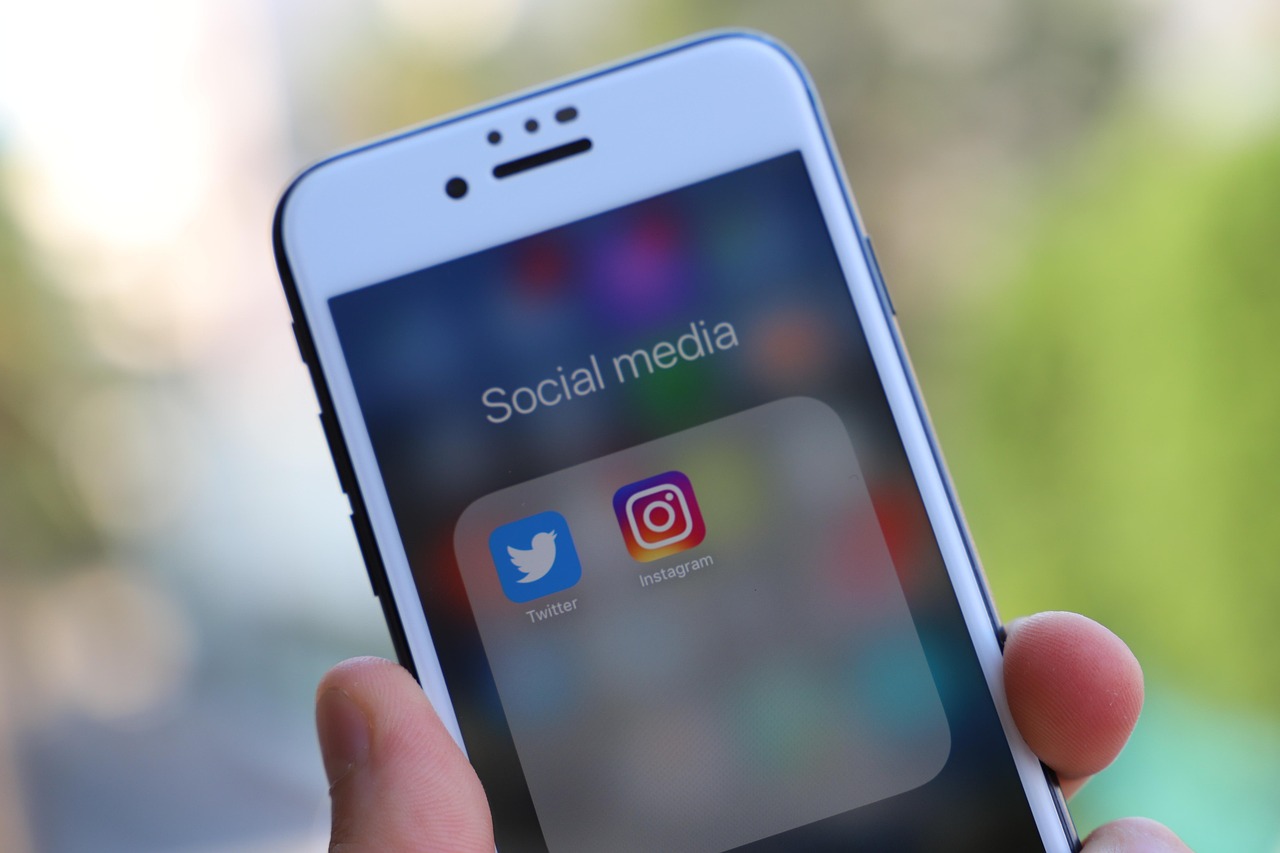

Comparative Analysis of Follower Behavior on Instagram vs Twitter
When analyzing follower behavior on social media platforms like Instagram and Twitter, key differences emerge. Instagram, primarily a visual platform, attracts followers who often engage based on aesthetics, using likes and comments to express their feelings. In contrast, Twitter focuses on text, with followers engaging through retweets, mentions, and replies. This fundamental difference in content type drastically impacts how users perceive and interact with brands. Furthermore, Instagram’s algorithm promotes visually appealing stories, which keeps users consistently engaged and boosts brand visibility compared to Twitter’s rapid feed. For brands aiming to increase their follower base, tailoring content to fit the respective platform increases chances of engagement and interaction.
A deeper dive into follower demographics reveals that Instagram tends to attract a younger audience, particularly teenagers and young adults, driving a trend towards aesthetics and sponsorships. Conversely, Twitter is favored by slightly older demographics, with users often engaging in real-time news and discussions related to current events. This contrast is crucial for brands to consider when developing their strategies. Brands that incorporate trending topics on Twitter can capitalize on viral moments to connect with followers, while Instagram brands should invest in high-quality imagery and collaborations with visual influencers to sustain growth and engagement within their audience.
Engagement Metrics and Analysis
Engagement metrics differ significantly across the two platforms, with Instagram showing higher interaction rates. Research indicates that images posted on Instagram receive more likes than text-heavy tweets on Twitter. This tendency for followers to engage with posts visually suggests that brands focusing on Instagram should prioritize high-quality visuals over textual content. Additionally, Instagram Stories offer an ephemeral way to connect with audiences, encouraging more authentic interactions. Brands leveraging polls or Q&As in their Stories show increased engagement, highlighting the need to explore varied content formats to captivate followers and organically increase followers over time effectively.
In analyzing brand effectiveness, Instagram’s focus on aesthetics allows brands to curate their visual identities, building a strong rapport with users. Conversely, Twitter builds relationships through direct interactions and conversations. Brands actively engaging with users through replies and mentions can generate loyalty and trust. Businesses that can bridge their efforts across both platforms may succeed in developing a comprehensive social media strategy. Adopting a cross-platform approach allows brands to strengthen their messaging, utilize visual assets on Instagram, while fostering conversations on Twitter and directing traffic ultimately between the two platforms.
Audience Interaction Styles
Understanding audience interaction styles on each platform helps brands tailor their content. Instagram followers often prefer curated posts that reflect a lifestyle or brand philosophy. Therefore, text and hashtags play a less central role in this interaction. On the other hand, Twitter users seek spontaneity, responding to trending conversations and seeking out commentary. Brands that can adapt messaging to match these distinctive styles create resonant connections with their audiences. Real-time engagement styles prevalent on Twitter can drive immediate traffic to brands, whereas longer-term engagement built through Instagram’s visual storytelling enhances brand loyalty.
The effectiveness of advertisements also varies between the two networks. Instagram’s sponsored posts often blend seamlessly with organic content, providing a non-intrusive user experience. Users may engage with these posts if they resonate well with their interests. Meanwhile, Twitter’s promoted tweets occasionally get mixed responses, as users prioritize real-time news over advertisements. A well-planned strategy that utilizes the organic nature of both platforms can lead to increased brand awareness and follower growth. Ultimately, the way followers react to content varies on these platforms, and brands must be savvy in understanding these nuances to maximize impact.
Analyzing Trends and Influencer Impact
The tendency for trends to blossom on social media heavily influences follower behavior. Instagram’s visual-first approach allows trends such as challenges or aesthetics to propagate quickly, leading to vast follower increases for those who adapt swiftly. In comparison, Twitter users often drive trends through hashtags, engaging in dialogue that fosters community. For brands looking to grow, following trending topics and collaborating with influencers on diverse platforms provides a unique opportunity to tap into new follower pools while reinforcing brand identity. Exploring these trends further strengthens brand positioning across varying social landscapes.
Ultimately, the comparative analysis of follower behavior on Instagram and Twitter reveals intricate dynamics shaping social media engagements. Each platform fosters different interactions, with Instagram gravitating towards visual satisfaction, while Twitter is a hub for textual exchange. Recognizing these patterns enables brands to create tailored content strategies that resonate deeply with followers. Brand awareness increases through targeted posts suited to audience preferences and engagement styles. A well-designed strategy that encompasses unique multimedia approaches engages followers on each platform strategically. The juxtaposition of follower behavior highlights a pathway to success for brands navigating modern social media waters.