
Exploring Virtual Reality in Mobile Social Media: The Future of Interaction
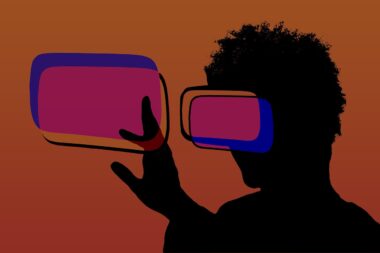
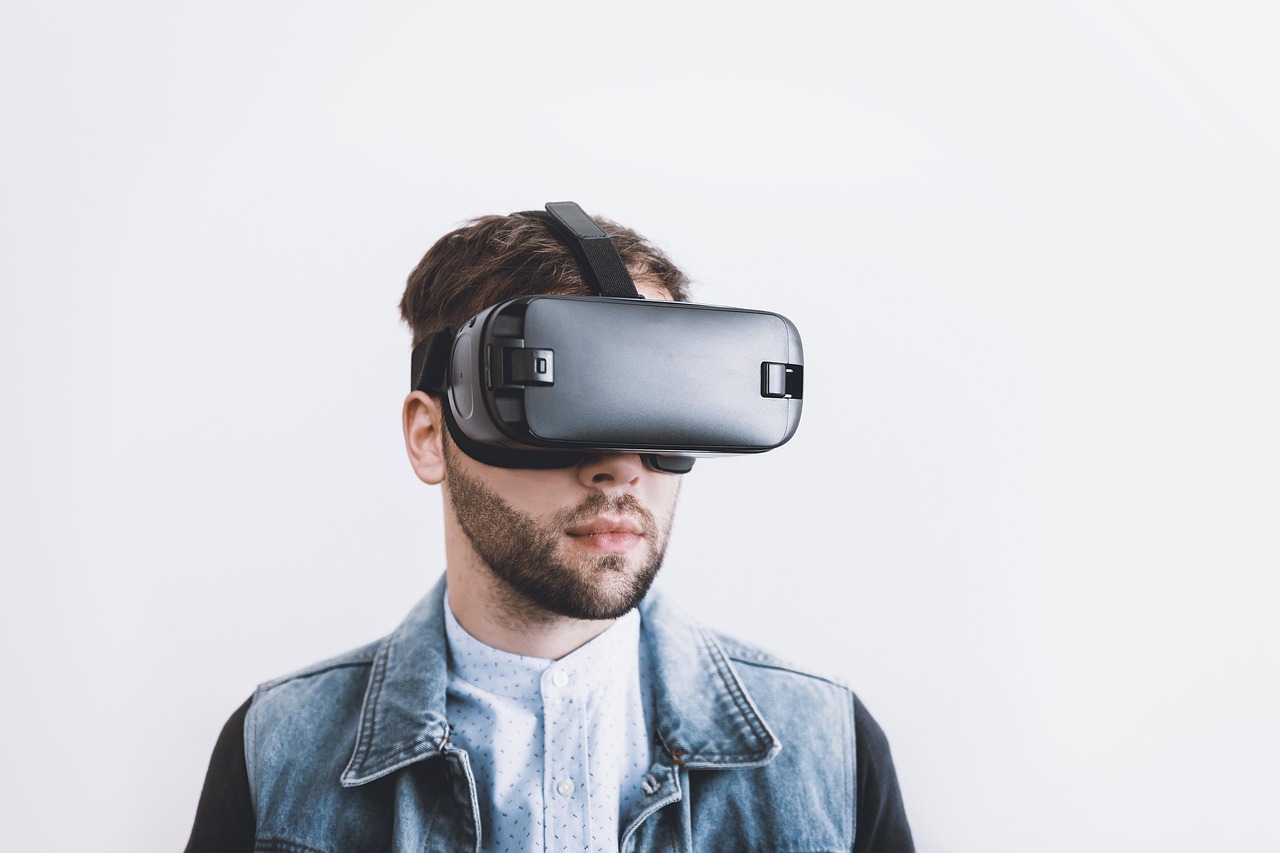
Virtual reality (VR) is rapidly transforming our interactions within mobile social media platforms. This innovative technology allows users to experience immersive environments where they can connect with others like never before. The integration of VR into mobile social media offers exciting possibilities, enabling individuals to engage in virtual meetups, events, and gatherings. Imagine attending a concert from the comfort of your home, surrounded by friends in a virtual space, all sharing in real-time experiences. With mobile devices becoming more powerful, the accessibility of VR is on the rise, making it easier for individuals to engage in shared experiences. Furthermore, this technology can enhance personal expression through custom avatars and environments. Users can create unique identities, allowing greater freedom to explore and interact in virtual space. As platforms such as Facebook and Snapchat invest in VR capabilities, the future of interaction on social media looks promising. The evolution of virtual spaces will shape how we communicate and connect, encouraging deeper relationships and user engagement. With the potential to revolutionize our social lives, VR stands as a game-changer in mobile social media usage.
The advancements in mobile technology significantly contribute to enhancing virtual reality experiences within social media. Smartphones equipped with sophisticated hardware and improved sensors deliver an unparalleled level of immersion. By utilizing AR capabilities in conjunction with VR, platforms can promote interactive rich visual content. Users can experience augmented elements layered over their traditional feeds, sparking new ways to interact with media. Imagine scrolling through social feeds, viewing 3D models of products or artworks, which can be manipulated as part of the experience. Social media giants are keen to target younger audiences, who tend to be early adopters of such technologies, thus driving more innovations. Moreover, brands are leveraging VR to create personalized advertisements, resulting in higher engagement rates. For instance, a user may receive an invitation to virtually try on clothing through an interactive VR experience before purchasing it. The opportunity to alter perceptions creates a unique link between brands and potential customers. As the market responds favorably, we can expect more integrated experiences that blend VR elements into existing platforms. Therefore, embracing the advancements in mobile technology will be crucial to enable novel social interactions in the VR-generated spaces.
One compelling aspect of virtual reality in mobile social media is its capacity to foster global connections. Users from around the world can interact in real-time through immersive environments, breaking down geographical barriers. Whether it’s attending a virtual conference or hanging out in a simulated café, VR facilitates an authentic experience that transcends physical limits. People can form friendships that live beyond physical limitations, connecting with shared interests regardless of their physical locations. This opens avenues for collaborative projects and discussions across diverse cultures and backgrounds. Additionally, the role of VR in enhancing education through social media can not be overlooked. Virtual classrooms on social platforms allow for shared learning experiences, where students worldwide collaborate in a digital environment. Such interactions can solidify understanding and cultivate a sense of international camaraderie. As more languages and cultures are represented in the virtual realm, the ability to educate and inform through these experiences enhances societal understanding. Thus, the social capabilities of VR not only revolutionize entertainment but also render an unprecedented platform for collaborative learning and engagement.
The Impact of Virtual Reality on Social Interactions
The impact of virtual reality on social interactions is profound and multifaceted. One significant change is the reshaping of community dynamics. Users can now form new communities based on specialized interests, passions, or hobbies, rather than just physical proximities or social circles. Through immersive interactions, members can deepen their connections and share memorable experiences. These virtual communities allow for ongoing engagements—users might gather around a shared passion, such as gaming or art, to create groups that transcend conventional limits. Additionally, artists and creators are leveraging VR to host virtual exhibitions, inviting audiences to explore their artwork interactively. This method increases accessibility for attendees, as distance is no longer a barrier. Furthermore, the mechanics of communication itself are evolving. In VR, users can employ non-verbal communication through body language, adding layers of understanding previously absent in standard two-dimensional interfaces. This complexity enriches social interactions, making them warmer and more personal. Thus, the emotional quotient attached to digital interactions gets higher, allowing individuals to establish more meaningful bonds with one another, a hallmark of advancing social virtual presence.
Privacy and ethical considerations must also be addressed regarding the use of virtual reality in mobile social media. With increased power and capability comes significant responsibility. As users share personal information and create content in virtual environments, the risk of privacy breaches might rise substantially. Understanding the implications of data sharing on these platforms is crucial. If users feel their privacy is compromised, they may be reluctant to engage fully in VR experiences. Moreover, ethical concerns arise around avatar representation and the virtual environments users choose to inhabit. Ensuring an inclusive and respectful environment is paramount, fostering acceptance irrespective of cultural backgrounds. Companies developing VR social media solutions must prioritize data security measures, creating systems that protect user information. Clear guidelines regarding acceptable behavior and community standards need to be established. Such protocols will empower users, knowing they are safe to explore and share experiences. Additionally, education about what constitutes respectful behavior in these immersive spaces should be encouraged. Thus, addressing these concerns will enable VR social media platforms to flourish, enhancing user experience while balancing ethical obligations.
The Future of Virtual Reality and Mobile Social Media
Looking towards the future, the potential for virtual reality in mobile social media is vast and promising. Innovations such as improvements in graphics, processing speeds, and real-time interactivity will continue to enhance user experiences. Companies are racing to develop more seamless and immersive experiences, seeking to draw users into virtual realms that feel genuinely lifelike. The development of asynchronous VR interactions will allow users to engage regardless of their time zones, fostering global friendships and connections. Additionally, integrating artificial intelligence within VR environments will provide personalized interactions based on user behavior and preferences, facilitating deeper relationships. We can also expect to see the rise of mixed reality experiences, blurring the lines between the physical and virtual worlds. The evolution of smart glasses may become commonplace, allowing users to step into VR effortlessly anywhere they go. Enhanced social experiences will emerge, making digital avatars more expressive and connected. As virtual reality continues to evolve alongside mobile social media, we witness a revolution in how humanity connects, engages, and creates shared identities in digital landscapes. The horizon is truly bright for this fusion of communication and technology.
In conclusion, the integration of virtual reality into mobile social media is a groundbreaking phenomenon that will redefine modern interactions. While the journey has only just begun, the implications of VR signify a shift toward more immersive, engaging, and meaningful social experiences. The power to create and share in virtual spaces represents the forefront of digital communication, promoting collaboration across borders and cultures. As technologies advance, we can expect an increase in authentic experiences that blend personal expression with interactive elements. By embracing this shift, users will find meaningful connections, validating their identities, and experiences within these digital realms. Brands and marketers will have to adapt and innovate continuously to grasp this unique frontier’s possibilities. Their adaptation to a more relationship-focused approach will set the stage for further advancements. The key to success will lie in balancing technological innovations with ethical considerations, ensuring users are respected and valued. Moving forward, the integration of VR with mobile social media can lead to a thriving ecosystem that cultivates connections, enriches lives, and transforms the future of social interaction as we know it.
Ultimately, the narrative surrounding virtual reality in mobile social media is one of growth, exploration, and potential. As an ever-evolving landscape, the challenge lies not only in technological advancement but in how society adapts to these changes. Preparing for an era where virtual reality becomes commonplace will require collaboration from developers, educators, and users alike. While the technology presents exciting opportunities for connection, dialogue about its implications must continue to flourish alongside it. By ensuring ethical standards and promoting user safety, stakeholders can create thriving environments conducive to rich human interactions. The experiences of tomorrow may well depend on how well we navigate today’s challenges. By embracing and developing VR social media responsibly, we stand at the brink of unparalleled connections and shared knowledge. Users will slowly learn to understand the vast opportunities this immersive technology presents—one that can ultimately transcend physical limitations. As mobile devices evolve, so too, will the platforms that connect us. The journey we embark on is one intertwined with innovation, creativity, and shared visions of the future. Collectively, we shape the narrative of how virtual reality will revolutionize mobile social media, paving the way for a connected digital age.