
The Psychology Behind Successful Community Polls
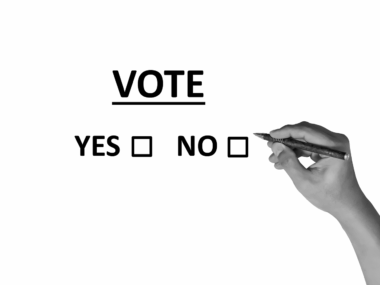
Understanding the psychology of community polls can greatly influence their success. Engaging members in these polls creates a sense of belonging and encourages participation. One crucial aspect is the framing of questions. Poll questions need to be clear, unbiased, and relevant to the community’s interests. Additionally, providing context helps members understand the purpose of the poll, establishing its significance. When pollsters frame questions in a relatable manner, they enhance the likelihood of receiving informative feedback. This feedback can shape future community decisions by acknowledging members’ voices. It is essential to analyze not just the results but also the emotional responses associated with them. Often, polls evoke feelings of empowerment and ownership among community members. When they see their opinions reflected, it leads to greater satisfaction and retention within the group. Keeping the poll process transparent also fosters trust. Members appreciate understanding how their input is being utilized. Overall, merging psychological elements with effective polling mechanisms can transform a standard poll into a powerful tool for community engagement and development, igniting enthusiasm and fostering long-lasting relationships around shared interests.
Further psychological insights into community polls reveal the importance of emotional intelligence. Poll creators must recognize the diverse sentiments within the community. Participants often attribute personal significance to their contributions. Therefore, acknowledging each response assures members that their thoughts matter. This validation deepens their connection to the community, encouraging participation in future activities. Moreover, when designing polls, it is crucial to maintain a balance between anonymous and identifiable responses. Anonymity can empower individuals to express genuine opinions without fear of backlash. Conversely, those who take identifiable polls may feel a stronger sense of accountability, yet require reassurance that their input will be valued. To effectively harness diverse opinions, employing multiple types of questions, such as open-ended and multiple-choice formats, can capture the complexity of community sentiments. Furthermore, presenting results creatively — through infographics or visualizations — enhances engagement while making data more digestible. Utilizing techniques from behavioral psychology, such as urging users with reminders or prompts before poll closures, can increase response rates. This multifaceted approach not only enriches the poll outcomes but also reinforces the collective identity, ultimately strengthening the community as a whole.
Building Inclusivity through Polls
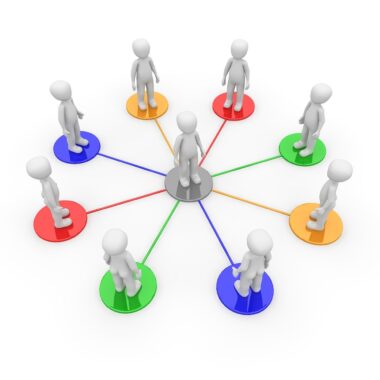
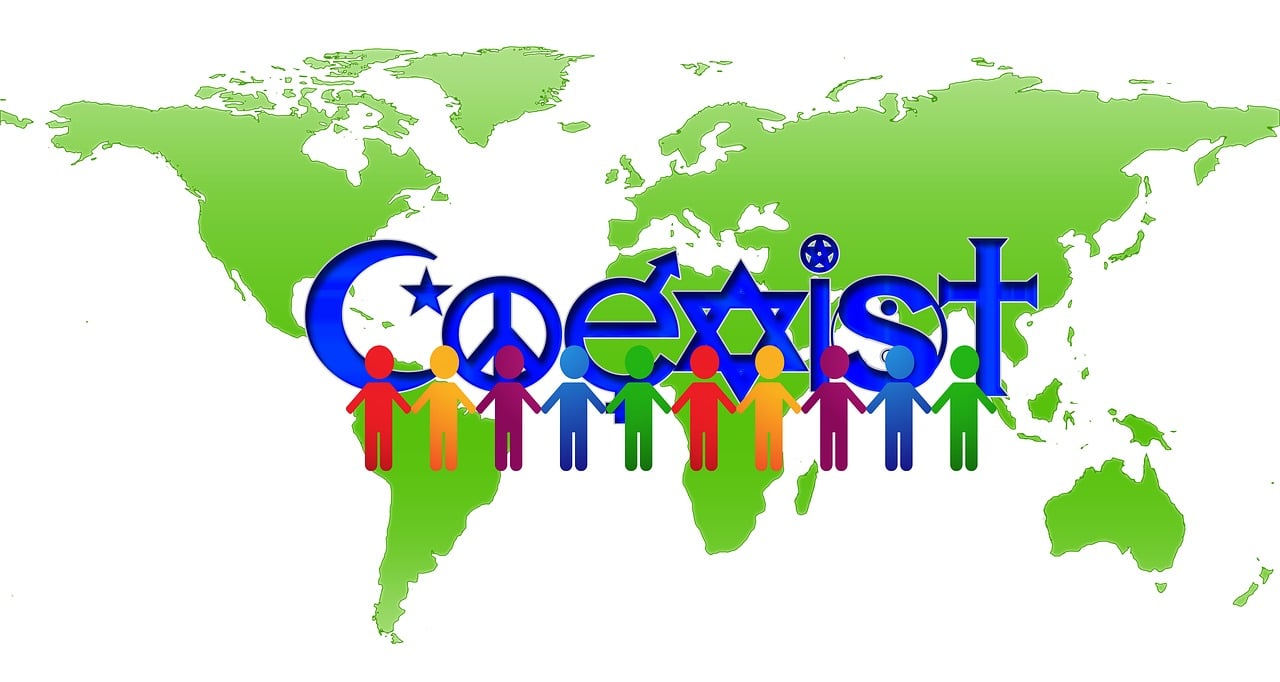
Inclusivity is paramount in any community, and polls serve as a powerful tool for achieving this. Bringing diverse voices to the forefront invites consideration of varying perspectives, which enhances decision-making processes. Communities flourish when members feel heard, underscoring the significance of creating polls that accommodate all demographics. Taking steps toward inclusivity requires awareness of language, accessibility, and cultural sensitivity. Polls must be worded without bias or exclusion while offering translations for members from diverse backgrounds. Additionally, using engaging formats that resonate with all age groups promotes broader participation. Each poll offers a unique opportunity to bridge gaps within communities by fostering dialogue, thereby building trust among members. Furthermore, polls can spotlight underrepresented issues or areas needing attention, ensuring that no voice is left unheard. Additionally, it is vital to offer multiple avenues for participation, such as online forums, social media platforms, or in-person gatherings. By offering various channels, communities can capture input from members who might otherwise shy away from traditional polling methods. Successful inclusive polling ultimately increases satisfaction and demonstrates respect for all individuals involved, promoting harmony and unity among diverse community members.
Generating interest in polls requires strategic marketing efforts. Promoting polls through effective channels is critical for maximizing engagement, whether through social media, newsletters, or community bulletins. This strategy ensures that all members, including those who may not be active, are reminded and invited to offer their opinions. Highlighting the significance of the poll and its potential impact can create excitement and spur involvement. Additionally, maintaining regular polls can establish a rhythm that draws members back for future participation. Utilizing creative elements—such as themed polls associated with current events or community milestones—can generate buzz. Collaboration with key influencers or active members can amplify visibility, sparking intrigue surrounding the poll. Moreover, employing visual elements like images and infographics can catch the eye, making the polls more appealing and approachable. Providing incentives, such as social recognition or small prizes, can further encourage participation. Recognizing contributors publicly fosters a culture of appreciation, which may nurture future engagement. By employing inventive outreach strategies, community leaders can unlock the full potential of polls as vital tools for connection, insight, and community-driven development, amplifying the members’ investment in shared objectives.
Analyzing Poll Results for Improvement
Once a poll has closed, the real work begins. Analyzing results meticulously not only offers insights but also informs future strategies. Establishing key performance indicators is essential for measuring the effectiveness of polls. Metrics like participation rates and demographic analysis help gauge accessibility and appeal. Beyond quantitative data, understanding qualitative feedback is also crucial. Members’ open-ended responses provide context and can highlight underlying sentiments and emerging themes. Professional insight into this analysis can lead to actionable decisions. Regular feedback loops ensure ongoing improvement and responsiveness to member needs. Alongside data, reflecting on the overall polling experience is beneficial. Evaluating what elements facilitated participation or hindered it can inform future practices. Gathering member feedback on the polling process, such as user-friendliness and clarity of questions, is invaluable for refining approaches. Communication of the analyzed results back to community members fosters transparency. By summarizing findings and showcasing how they will influence future decisions, community leaders can validate participation. Through continual analysis and refinement, polls become increasingly effective, enriching community life by fostering active engagement, collaboration, and shared goals.
To maximize the impact of community polls, timing is also an essential variable to consider. Knowing when to distribute polls can significantly affect participation rates and response quality. Timing that aligns with member schedules, such as weekends or evenings, tends to yield better results. Additionally, clocking polls around significant events within the community can spark greater interest, as members often feel more engaged and motivated to share their thoughts during those times. Moreover, polling frequency should be managed carefully; too many polls can lead to fatigue, while too few may result in reduced engagement. Finding the sweet spot for regular polling intervals is pivotal. Leveraging seasonal changes or upcoming community activities for timing also adds relevance and urgency. Additionally, effective communication beforehand can set the stage for participation, ensuring members are aware and prepared to offer their insights. Creating polls as follow-ups to prior events can also maintain momentum, further cementing their importance in community activities. Thus, strategic timing ensures that polls not only capture opinions effectively but can also reinforce enthusiasm, fostering a more vibrant and responsive community atmosphere overall.
Fostering Engagement Beyond Polls
Finally, it is paramount to recognize that successful community polls should serve as a springboard for broader engagement. Enhancing post-poll interaction fosters an ongoing dialogue among members. Presenting poll outcomes in accessible formats, such as webinars or community meetings, invites constructive discussions on the findings. This approach allows community members to interpret results collaboratively. Moreover, utilization of feedback to implement proposed ideas shows that members’ input is truly valued, ensuring they remain invested in the community. Establishing committees or forums to delve deeper into the issues raised by poll results can further sustain momentum. By formulating action plans based on these discussions, communities can transform insights into tangible improvements. Hosting themed events centered around poll topics can enliven the ongoing conversation, creating a cohesive narrative for members to rally around. Continuous engagement initiatives, whether through regular updates or occasional refresh polls, can keep the community interaction alive and thriving. Ultimately, by linking polling activities to ongoing community conversations, leaders can cultivate a culture of vibrant participation that strengthens community ties and empowers members, making them feel integral to the community’s evolution.