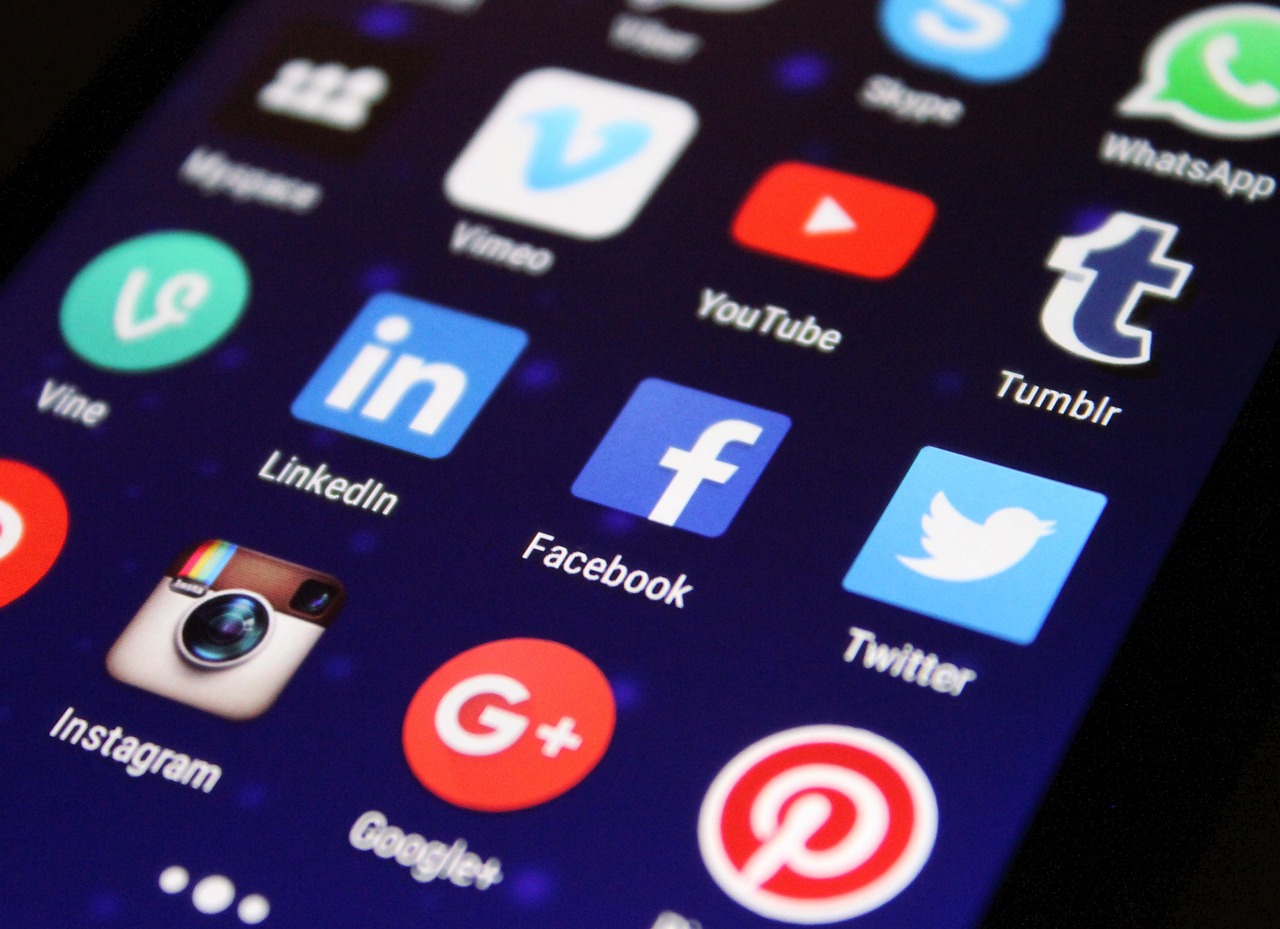

The Future of Paid Advertising on Social Media Platforms
The landscape of paid advertising on social media is evolving rapidly. Brands must adapt their strategies to stay relevant and competitive. Today’s consumers are inundated with advertisements, so to capture attention, creative and engaging content is vital. Utilizing data analytics to understand audience preferences can help tailor ads more effectively. Quality targeting capabilities on platforms like Facebook and Instagram allow businesses to reach specific demographics and interests, optimizing their marketing campaigns. Utilizing video content is progressively crucial as engagement rates soars with visual storytelling. Incorporating user-generated content can foster community and trust, enticing potential customers. Establishing partnerships with social media influencers can amplify visibility across diverse audiences. Experimentation with new formats such as interactive ads or augmented reality will also be pivotal in enhancing brand interaction. It is incumbent upon businesses to stay abreast of platform updates, including algorithm changes that might affect ad performance. Emphasizing authenticity in branding rather than hard-selling is expected to resonate more with consumers, which should be a central focus in future campaigns.
Adopting a data-driven approach in paid advertising enhances overall effectiveness. This involves analyzing metrics from previous campaigns to inform future strategies. Key performance indicators (KPIs) like click-through rates, conversion rates, and engagement metrics provide insights into what works best. A regime of continuous testing, often referred to as A/B testing, should be employed to determine the most effective ad formats and messages. Segmentation of the target audience can lead to tailored content that meets the unique needs of diverse groups. This involves leveraging social media analytics tools to develop a robust customer profile for more effective ad placement. Alignment of these ads with broader marketing strategies across multiple platforms is crucial for consistency. Moreover, the integration of artificial intelligence into advertising strategies will allow for automation in data analysis, making campaigns more precise and time-efficient. Brands should remain vigilant about privacy concerns as data regulation continues to evolve. Transparency in data use will serve as a competitive edge, fostering trust with audiences accustomed to data privacy discussions in advertising.
Trends Shaping the Future
Several key trends are shaping the future of paid advertising on social media platforms. The proliferation of mobile devices has led to an increase in mobile-centric ad campaigns, focusing on designs tailored for smaller screens. Moreover, short video content has gained significant traction as a highly shareable format. Platforms such as TikTok have popularized these quick snippets, requiring brands to craft engaging ads that capture attention in mere seconds. Augmented Reality (AR) ads are also on the rise, allowing users to visualize products in their environment, enhancing user experience. Integrating user-generated content into ad strategies fosters authenticity and consumer engagement. Influencer marketing continues to grow, yet businesses must select authentic advocates who reflect their brand values. Additionally, sustainability in branding is becoming paramount; consumers increasingly prefer brands committed to social responsibility. Social commerce is advancing, with platforms enabling direct purchasing within the app, simplifying the user journey. Emphasis should also be placed on storytelling to create emotional connections, as it increases brand loyalty and encourages customer retention over time.
Paid advertising strategies on Instagram are particularly effective, owing to its visual-first approach. Brands should focus on high-quality imagery, cohesive feeds, and a clear brand narrative to gain traction. Utilizing Instagram Stories for time-sensitive promotions helps capture user attention quickly. Additionally, sponsored content can blend seamlessly into feeds, enhancing visibility without disrupting user experience. Paid ads on Instagram offer insights, enabling marketers to assess performance through detailed metrics. Furthermore, experimentation with various ad placements, including Feed, Stories, and Explore, can lead to optimizing advertising budgets effectively. Engaging with interactive features such as polls or quizzes within ads must also be considered to stimulate audience participation and feedback. Collaborating with well-aligned lifestyle brands significantly increases outreach and audience engagement. Adapting to consumer feedback gleaned from these interactions is vital for refining content and strategies. Enhanced targeting options using Instagram’s algorithm ensures that ads reach the right individuals. Understanding evolving user behaviors will be crucial as businesses strive to align advertising efforts with consumer expectations moving forward.
The Role of Analytics
In the realm of paid advertising, analytics plays a critical role in refining and enhancing campaigns. By tracking user engagement and conversion metrics, businesses can gain valuable insights into customer behavior. Investing in comprehensive analytics tools can provide a granular view of audience interactions, revealing strengths and weaknesses in current ad efforts. Regularly reviewing these metrics allows for agile strategy adjustments, optimizing overall performance for future campaigns. Incorporating predictive analytics helps in anticipating trends and shifts in consumer preferences, aiding proactive rather than reactive responses. Marketers must also benchmark their performance against industry standards to ascertain competitiveness in the landscape. Social media platforms provide built-in analytics for advertisers to measure campaign effectiveness in real-time, which is instrumental to success. Moreover, segmenting data based on demographics provides clarity on the preferences of different audience subsets, enabling personalized ad experiences. The rise of machine learning can be harnessed to improve targeting precision further, ensuring that advertising dollars yield maximum return on investment. Brand experimentation with varied approaches grounded in data will pave the way for innovative advertising practices.
Content marketing should integrate seamlessly with paid social media advertising for maximum impact. Creating value-driven content that informs or entertains audiences can significantly enhance brand perception. When users find ads helpful or relatable, they are likely to engage more and even share these ads within their networks. Brands can build loyalty by consistently delivering quality content that resonates with target audiences. Repurposing content across different formats — blog posts, infographics, videos — can extend reach while maximizing resource utilization. Furthermore, aligning ad content with seasonal events or trending topics helps capitalize on current interests, while adding relevance to campaigns. Businesses should aim to create a consistent brand voice across all channels for greater recognition and trust-building. Establishing credibility through educational content or behind-the-scenes looks fosters connection with consumers. Regularly updating content to reflect current events or market shifts keeps the messaging timely and relevant. Paid advertising must showcase a unique value proposition, setting brands apart from the crowd while ensuring customers know what differentiates them within their industry.
Final Thoughts
Looking ahead, the realm of paid advertising on social media platforms will undoubtedly grow in complexity. Brands that embrace innovation and adopt an adaptive mindset will be better suited to navigate these changes. Ultimately, staying attuned to the latest trends allows firms to leverage the latest advancements in technology and consumer behavior. Authentic engagement with audiences will emerge as a cornerstone of successful advertising strategies. Investments in high-quality, evergreen content will foster long-term returns, just as thorough research can uncover target audiences’ evolving needs. Brands that remain flexible in adapting strategies might explore new platforms and formats arising in the space, ensuring they stay ahead of competitors. Collaborating with social media experts can provide additional insights into best practices and emerging trends. The future of advertising will be defined not just by technology but also by emotional connections with consumers who seek brands aligned with their values. A focus on sustainability, automation, and customized experiences will shape advertising that resonates powerfully, paving the way for engaging, effective campaigns moving forward.