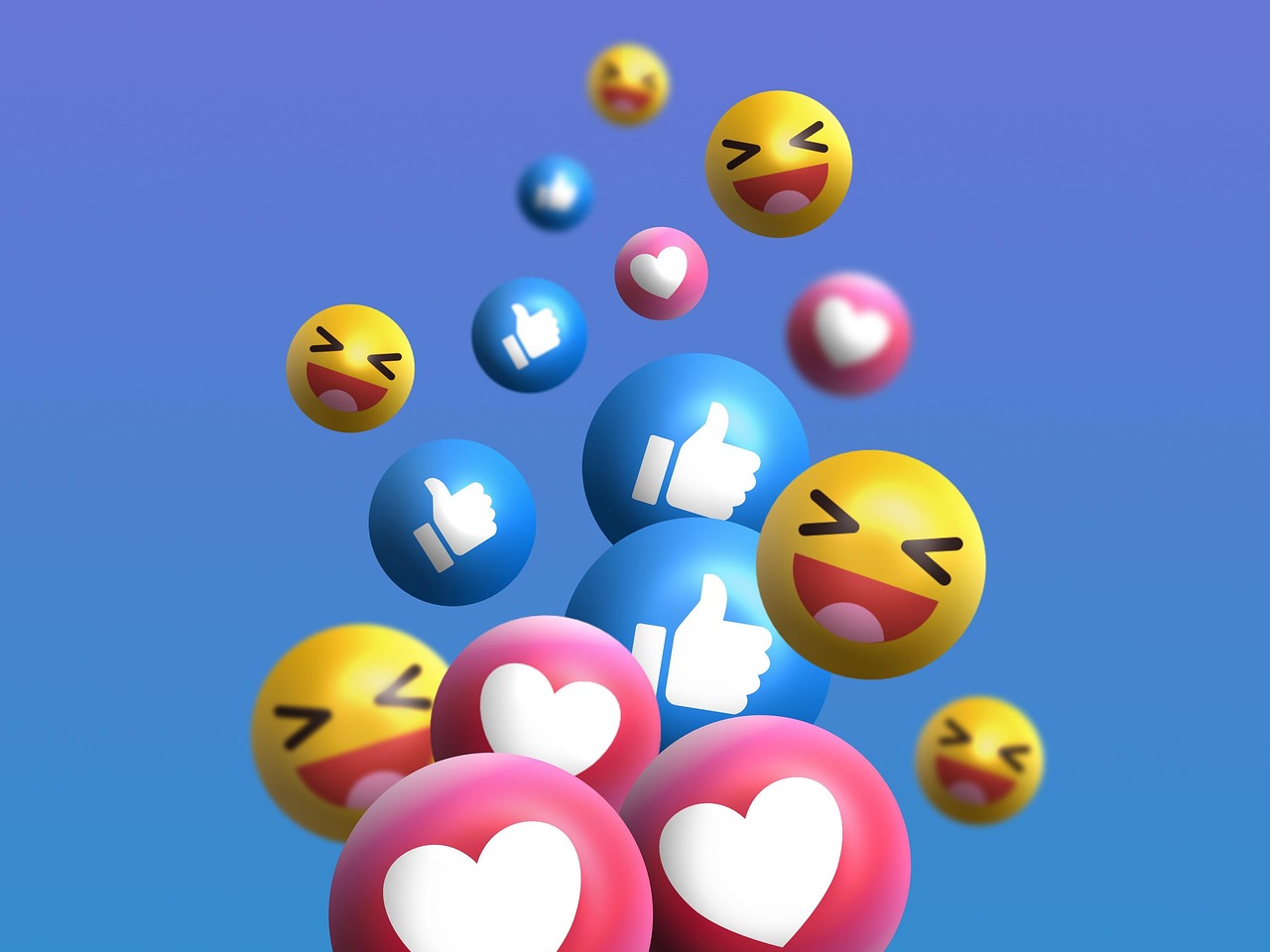

How Emojis Enhance Visual Communication in Social Media
In today’s fast-paced digital landscape, emojis serve as a powerful tool for enhancing visual communication, especially on social media platforms. These small icons help convey emotions, ideas, and cultural references instantly, transcending language barriers. With over 3,000 different emojis available, users can express a range of sentiments, from joy to frustration. As businesses and individuals vie for attention online, incorporating emojis into posts and comments can significantly increase engagement. Research indicates that posts with emojis often receive more likes and shares compared to text-only updates. However, it is essential to use emojis appropriately to avoid confusion. Misinterpreted symbols can lead to unwanted misunderstandings, especially in professional contexts. For example, a thumbs-up emoji may not always signify approval in every culture. Additionally, excessive use can detract from your message’s professionalism. In this article, we will explore how emojis can be strategically employed to enhance communication without overlooking the potential pitfalls. By understanding the context and audience, social media users can harness emojis effectively to convey their messages and emotions, making their interactions more relatable and engaging.
One of the most significant benefits of using emojis is their ability to add a personal touch to digital conversations. In a world where text can often seem cold and impersonal, a well-placed emoji can convey warmth and friendliness. Emojis are particularly useful in social media marketing, where brands strive to humanize their image and connect with consumers. By using emojis, companies can create a more approachable brand identity, which can lead to increased loyalty and customer engagement. Furthermore, emojis can help simplify complex messages. For instance, replacing a lengthy explanation with a few visually striking emojis can effectively capture the essence of your message more efficiently. Just a smiley face or a heart can significantly change the tone of a message, making it more friendly and open. Nonetheless, it is vital to remember that not all emojis are universally acknowledged. For example, while a face with tears of joy may signify happiness in one culture, it might be interpreted differently in another context. Being aware of these nuances is crucial for successful communication.
Incorporating emojis into social media communication also plays a significant role in enhancing brand recognition. Users are likely to remember and associate specific emojis with particular brands, which fosters familiarity and connection. Companies like Coca-Cola and Starbucks have effectively utilized emojis in their marketing campaigns to create a memorable brand presence. Furthermore, emojis help convey brand personality by reflecting the tone and spirit of a company. A playful use of emojis might suggest a fun, youthful brand, while more subdued choices could suggest professionalism and seriousness. Businesses must also be cautious about overusing emojis, as this can blur the message and confuse the audience. Striking a balance is essential to maintain brand integrity while also using emojis to connect with users. An engaging emoji can enhance an advertisement or a social media post, urging followers to engage and participate. As competitors increasingly leverage visual storytelling, incorporating emojis becomes a vital strategy for effective communication. In the competitive landscape of social media, businesses must craft messages that resonate. This can be achieved through careful and purpose-driven emoji use.
Understanding Emoji Context
Understanding the context in which emojis are used is critical for effective communication. Different platforms and audiences can interpret emojis uniquely, leading to potential misunderstandings. For instance, an emoji that is deemed humorous in one context might be seen as offensive in another. Thus, it is crucial to be aware of your target audience’s cultural references and values when incorporating emojis into your messages. Moreover, emojis can evolve in meaning over time. For instance, many emojis have developed alternate connotations, often fueled by pop culture. This continuous evolution requires users to stay up to date with the latest trends in emoji usage to avoid potential miscommunication. In addition, the placement of emojis within a sentence can alter their impact. Emojis placed at the start of a sentence may serve as attention-grabbers, while those at the end can reinforce the sentiment expressed. Understanding these nuances will allow users to wield emojis more effectively as tools for expression and communication, enhancing the overall interaction experience, whether personal or professional.
In social media conversations, especially in casual settings, emojis significantly help express emotions and tone. The challenge with text is its inherent lack of sentiment; emojis fill this gap by offering visual cues. A simple smiley face can transform a neutral statement into a friendly invitation, while a thumbs-down can immediately express disagreement. Therefore, using emojis becomes essential in conveying emotional context, making messages clearer and more relatable. With their vibrant colors and playful designs, emojis can communicate excitement and enthusiasm that text alone may not capture. They offer a visual representation of emotions, allowing users to engage on a more personal level. Furthermore, in scenarios involving multiple parties, emojis can serve as a shorthand, meaning that the visual element complements spoken or written communication. This brevity is invaluable in our fast-paced online interactions, allowing users to convey complex emotions and sentiments quickly. However, while emojis can enhance communication, they should never completely replace well-articulated words that define our messages effectively. The integration of both elements leads to richer conversations.
When using emojis, it is vital to consider the audience and context in which they will be received. The preferences for emojis can vary greatly among different demographics. For instance, younger audiences might embrace their use more than older generations, who may perceive emojis as frivolous or unprofessional. In such cases, moderation and an understanding of your audience’s preferences are key to effective communication. Additionally, it can be beneficial for brands to experiment with emojis in smaller groups before rolling out wider campaigns. This approach allows companies to gauge reactions and understand the sentiment conveyed through emoji use within their target audience. While emojis can breathe life into social media interactions, being mindful of when and how they are used matters greatly. For businesses especially, missteps can lead to misunderstandings and brand misrepresentation. Therefore, respecting audience demographics while using emojis wisely fosters meaningful connections and enriches dialogues. By aligning emoji use with audience expectations, social media interactions can become more engaging, effective, and memorable.
Conclusion
In conclusion, emojis play an indispensable role in enhancing communication on social media platforms. Their ability to convey emotion and context contributes to engaging conversations, making them a crucial element of visual storytelling in our digital interactions. However, the successful use of emojis necessitates an understanding of the audience and context to avoid misinterpretations and ensure clarity of message. By strategically incorporating emojis, brands and individuals can enhance relatability and foster deeper connections with their audiences. A well-placed emoji can complement a message, break the ice, or establish a friendly tone, bridging the gap that often exists in digital communication. Nevertheless, users must stay informed about evolving emoji meanings and cultural differences, as these are paramount in fostering effective dialogue. Using emojis should always enhance, not replace, well-crafted messages and thoughtful expression. As social media continues to evolve, adapting to changes in emoji communication will be essential in staying relevant and effectively connecting with audiences. Thus, a balanced approach towards emoji usage can transform digital communication, leading to richer connections and more meaningful interactions on social media.
In the realm of social media, the effective use of emojis can elevate user experience significantly. Emojis provide a universal language that transcends geographical and linguistic barriers, allowing users to share feelings and sentiments without words. From simple smileys to intricate animated emojis, they can bring depth to any conversation. As visual communication continues to dominate digital interactions, understanding how to incorporate emojis appropriately is essential for anyone looking to engage effectively. Brands, influencers, and individuals alike can benefit from harnessing the power of emojis strategically within their messaging. They can create memorable narratives, invoke emotional responses, and grant visibility to otherwise text-heavy information, making it more digestible and appealing. As we refine our digital communication strategies, the careful and thoughtful inclusion of emojis will undoubtedly play a crucial role in how we convey messages and relate to one another across online platforms.