
Social Media and the Protection of Journalistic Sources in Law Enforcement
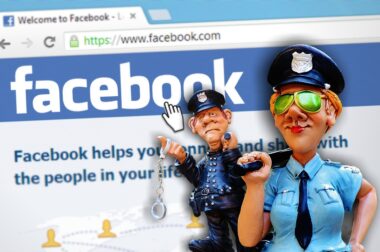
With the rise of digital platforms, the landscape for journalism has altered dramatically, particularly concerning how sources are protected. Law enforcement agencies increasingly leverage social media to gather intel, posing challenges for journalists who cultivate strong source relationships. The balance between investigative journalism and police operations can become precarious; sensitive information can inadvertently lead to exposing journalistic sources. It beckons the question of whether social media platforms are safeguarding these sources or inadvertently becoming tools for law enforcement. Ethical considerations should revolve around transparency, the need for accountability in how social media data is used, and the implications for press freedom. While social media can enhance public trust, it frequently devolves into a double-edged sword, especially when it comes to confidential sources. Thus, serious policy deliberations are needed to ensure a more robust protection framework, allowing journalists to operate effectively without the constant fear of exposure. Legal implications arise, necessitating a reevaluation of existing laws to align with modern practices and the confidentiality essential for journalistic integrity. The future of journalism relies heavily on adapting to this dynamic landscape while maintaining ethical standards.
The Role of Law Enforcement in Social Media Surveillance
Law enforcement’s engagement with social media has prompted a profound shift in both investigative strategies and privacy concerns. Agencies utilize social media as a primary tool for gathering evidence and monitoring potential criminal activities, yet this practice raises ethical dilemmas regarding the rights of individuals involved. The ease with which information is accessible can lead to instances of overreach, where the data mined could infringe upon press freedoms or compromise confidential journalistic sources. Law enforcement should navigate these channels with a heightened sense of responsibility to protect the integrity of individuals involved in journalism. Moreover, the engagement with social media demands a rigorous framework outlining acceptable practices, including the need for warrants to access sensitive information. Balance is crucial; however, the constant evaluation of how data is collected, shared, and utilized underscores the need for legal amendments that reflect evolving societal norms. Transparency in how law enforcement interacts with social media will greatly aid in fortifying community trust while safeguarding crucial journalistic operations from undue harm. Ethical use of this information must be paramount in protecting the rights of both journalists and their sources.
Impact of Social Media Policies
Policies crafted around social media usage play a pivotal role in determining how law enforcement agencies operate. Effective policies can ensure that the collection of data occurs ethically, thereby guarding against potential abuses of power. However, many agencies may lack comprehensive frameworks that outline how to treat information derived from social media. Without such guidelines, the risk of inadvertently compromising source confidentiality remains alarmingly high. A well-outlined social media policy should not only define the boundaries of data collection but must also include measures to protect journalists from potential target investigations. Empowering law enforcement to efficiently conduct investigations while respecting journalists’ rights is central to any effective policy. Furthermore, regular training sessions for officers involved in social media operations can foster a culture of awareness. Additionally, public transparency regarding these policies can reinforce community trust and illustrate law enforcement’s commitment to ethical practices. As society navigates the evolving digital landscape, it is essential to reflect this ethical obligation in practice with tangible actions that promote responsible use of social media for investigative purposes.
Collaboration between law enforcement and media entities is essential for upholding ethical standards in journalism. Cooperative frameworks can serve as conduits for fostering trust, allowing for dialogue between journalists and law enforcement while delineating boundaries focused on the protection of sources. Establishing clear lines of communication can lead to a better understanding of the challenges faced by both parties. For instance, law enforcement may need to explain why certain information is essential in a specific investigation, while journalists can express concerns regarding potential repercussions for their sources. Through these dialogues, mutual respect and understanding can build a support system that strengthens journalistic practices while allowing law enforcement to perform their duties effectively. Public discussions and forums can facilitate this dialogue, increasing transparency in operations and enhancing community involvement. The collaborative approach must be underscored by ethical standards that respect the complexities surrounding journalistic endeavors. Only by prioritizing this cooperative relationship will the balance between accountability and press freedom be achieved. This collaboration not only benefits law enforcement and journalism but ultimately enhances societal trust in both entities.
Journalism’s imperative to share information must coexist with the ethical necessity of protecting sources, particularly in the digital age. Social media creates a unique environment in which information can spread rapidly, sometimes without context. Journalists face the challenge of maintaining integrity against the backdrop of potential law enforcement scrutiny. Because of this scrutiny, careful consideration must be given to how information is sourced and shared through these platforms. Many journalists grapple with the decision to publish information based on its public interest versus the potential risk to their sources. The ethical framework guiding these decisions must prioritize the protection of individuals who provide crucial insights, thereby reinforcing journalistic credibility. Striking the right balance includes fostering a culture of ethical storytelling, which stands resilient in the face of pressures to disclose sources. Mutual respect between journalistic entities and law enforcement can also help establish standard operating procedures that further safeguard sources while allowing for the sharing of crucial information when necessary. Maintaining this delicate equilibrium is essential for preserving the ethical foundation of journalism while addressing public safety concerns.
In safeguarding journalistic sources, legal protections play a vital role. Existing laws often struggle to keep pace with the rapidly evolving digital media landscape, leading to significant gaps that can endanger source confidentiality. Legal protections must be reassessed to ensure that journalists can retain access to essential information without compromising their sources. For instance, shield laws aimed at protecting journalists from revealing sources should be fortified to account for the intricacies of social media usage. Additionally, courts must prioritize journalists’ rights when adjudicating cases that involve source protection in social media contexts. The need for a legislative framework that considers contemporary challenges cannot be overstated. Activism in this arena is crucial; advocacy groups focused on media freedoms must collaborate to push for the legal reforms necessary to enhance protections for journalists. Furthermore, continuous updates to existing legislation are essential as technologies evolve. With these laws in place, journalists can focus on their role in promoting informed public discourse without the perpetual fear of reprisal for protecting their sources. Empowering journalists through legislative safeguards is paramount for upholding the integrity of the profession.
The intersection of journalism, ethics, and law enforcement represents a nuanced landscape where interests frequently collide. Digital advancements advocate for a revisited understanding of ethics, especially concerning source protection and law enforcement practices. The fast-paced nature of social media often increases vulnerabilities for journalists, as real-time scrutiny can threaten their sources’ anonymity. In adapting to this evolving landscape, ethical frameworks must incorporate comprehensive strategies that reflect both societal expectations and technological realities. Journalists must remain vigilant and proactive in understanding these dynamics, utilizing both ethical and legal guidance to navigate complexities. Collaborative endeavors to draft ethical guidelines can serve to strengthen the profession while addressing law enforcement’s legitimate concerns for public safety. Effective partnerships with legal experts and advocacy groups can foster an environment of transparency that benefits both journalists and law enforcement, and enhances overall public trust. In this regard, the role of community involvement cannot be ignored, as it can amplify the dialogue necessary for such pivotal changes. Thus, the future of journalism hinges on establishing a conducive environment that respects both the right to inform and the right to privacy.
As we move forward, the evolving relationship between social media and journalism must result in renewed commitments to ethical practices. Journalists should be well-informed about the implications of using social media as a source of information, balancing the need for transparency with source protection. Law enforcement agencies are challenged to adapt their strategies to consider the implications for civil liberties and journalists’ rights. Through these discussions, enhanced training for law enforcement and updated guidelines can facilitate responsible use while protecting journalists. Social media platforms also have a significant role, as they must advocate for user privacy and confidentiality, especially for journalists. Establishing responsible data handling practices is imperative for nurturing a healthy ecosystem where journalists can thrive. Ultimately, the maintenance of ethical standards will depend on a collaborative effort among all stakeholders. Ethical journalism, combined with responsible law enforcement practices, can pave the way for informative narratives rooted in truth without sacrificing source safety. This interconnected approach desires involving legislators, law enforcement, journalists, and community stakeholders, forming a protection framework that can evolve alongside technological advancements while shoring up public trust.