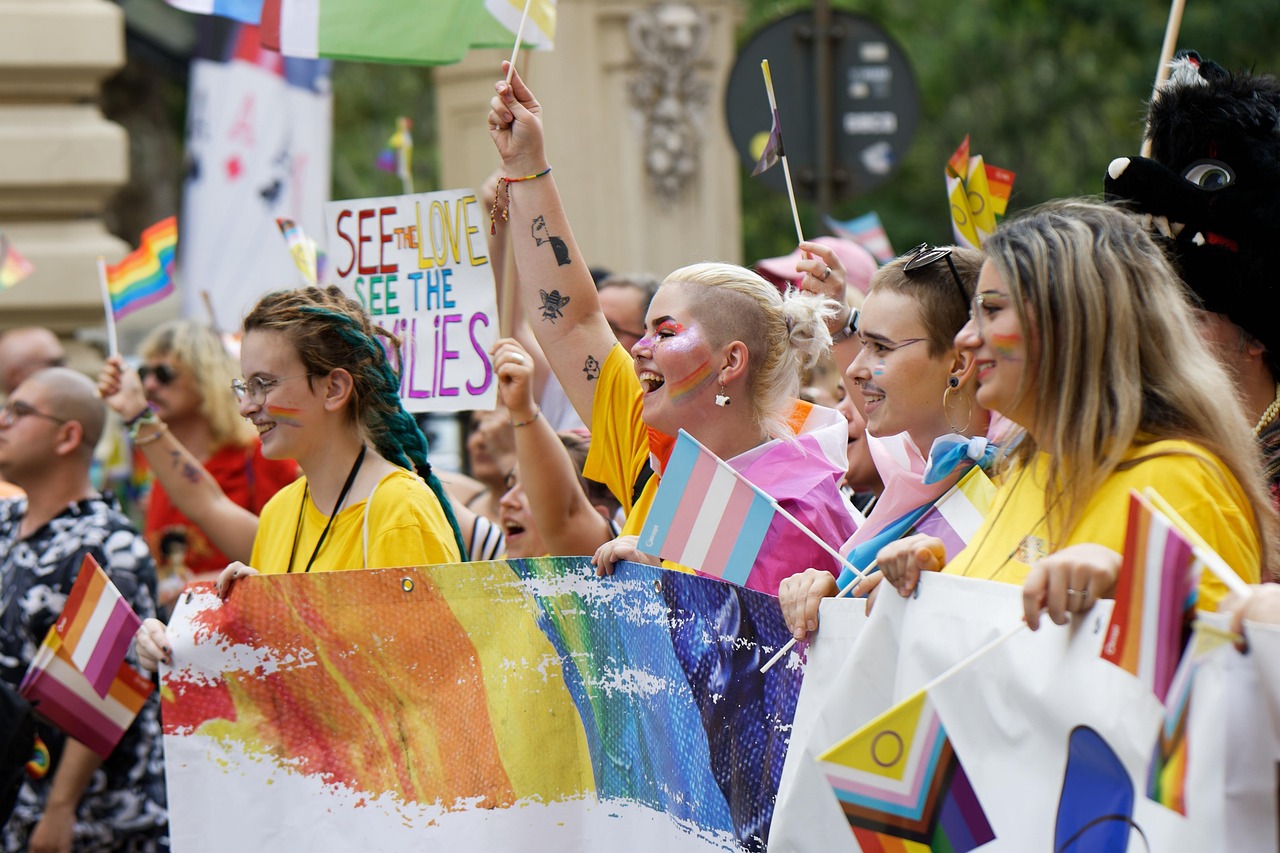

How Employees Can Balance Personal and Professional Voices in Advocacy
Employee advocacy has transformed modern workplaces, redefining how brands interact with their audience. A key challenge lies in harmonizing personal and professional voices when employees share their insights externally. By leveraging social media and other platforms, employees can effectively engage stakeholders while maintaining authenticity. The blend of personal narratives and corporate messaging can create a powerful storytelling dynamic that enriches the brand image. Employees should be encouraged to express their individual perspectives, aligning them with the company’s core values and mission. This approach enriches the content offered to audiences and strengthens connections with potential clients. It is essential for employees to navigate between sharing their unique views and upholding professionalism. Proper training can help in understanding the boundaries between personal opinions and corporate communications. Additionally, fostering an environment of support across teams can promote confidence in sharing their voices. Ultimately, a collaborative effort will ensure that every advocate plays a key role in promoting the company, while still feeling free to share their authentic selves, creating a balanced representation that resonates with diverse audiences.
Understanding the nature of employee advocacy is crucial for balancing personal and professional voices. Organizations often have guidelines in place that dictate how employees should represent them in public forums. These guidelines help protect both the individual and the company’s reputation. Employees must ascertain where to draw the line between personal expressions and corporate endorsements while advocating effectively for their companies. Clarity in communication is vital; employees need to know what topics are acceptable to discuss and what shouldn’t be public. Regular workshop sessions can be beneficial, allowing team members to ask questions and share experiences regarding advocacy. Creating tailored scenarios during training can help prepare employees for real-world situations involving advocacy. Moreover, encouraging employees to engage with feedback, both positive and constructive, can enhance their skills over time. An atmosphere of openness also allows employees to voice concerns regarding the advocacy process and seek guidance. Leadership should foster an inclusive culture where sharing both personal and professional stories enriches the company narrative. Building this balance can establish an authentic voice that represents the organization genuinely and effectively across different platforms.
The Importance of Social Media Guidelines
Social media guidelines play a fundamental role in ensuring that employees feel confident in sharing personal insights while advocating for their organizations. These guidelines serve to clarify the do’s and don’ts of online communication, particularly when expressing personal views that may impact the company’s image. Employees benefit from learning how to articulate their messages in ways that remain congenial to their employer’s values. A well-structured guideline encompasses the dos of sharing personal growth stories, insights from professional experiences, and participation in industry discussions. Employees can positively influence public perception and encourage audience engagement through thoughtful sharing. Courageously expressing personal insights can mobilize a network inclination towards advocacy, showing a robust commitment to their roles. However, they should also be aware of potential pitfalls, like crossing boundaries that could misrepresent corporate interests. Balancing personal expression and professionalism requires consistent evaluation of guidelines and adherence to evolving social context. Companies need to invest in formal training to ensure that employees feel empowered and skilled in their advocacy endeavors. These measures help cultivate a positive company culture fluent in advocacy principles while promoting individual voices.
Another critical aspect is the training and resources provided to employees regarding advocacy. To find a perfect equilibrium between personal and professional voices, organizations must invest in robust training programs. These programs should focus on teaching employees how to effectively represent the company while expressing their personal views without overstepping boundaries. Workshops can include practical applications such as role-playing scenarios and creating content that merges both perspectives. Providing tools and templates can also streamline the advocacy process, allowing employees to replicate successful content with ease. Such training fosters a sense of empowerment, enabling employees to articulate their unique stories while aligning with the company’s branding efforts. Furthermore, continuous feedback will inject improvements to both the content they share and the way they advocate. Encouraging an environment where employee contributions are recognized can boost morale and inspire others to participate. To remain competitive, organizations must continually reassess their training programs, adapting to changes in digital communication trends effectively. The ultimate goal should be to create advocates who feel confident and engaged across various platforms, contributing to a cohesive promotional narrative that showcases both individual and corporate values.
Creating a Supportive Environment
Establishing a supportive environment is integral to fostering successful employee advocacy while balancing personal and professional voices. Leadership must cultivate trust among employees; thus, they feel secure voicing their insights and opinions. Open communication can drive engagement, encouraging team members to share their unique perspectives that reflect their individuality and resonate during advocacy. Employees should be recognized as brand ambassadors, empowered to express the company ethos authentically while incorporating their personal experiences. When they feel valued, employees naturally become stewards of their company culture, openly promoting core values. Creating both formal and informal platforms for sharing personal stories can provide added incentive for participation, presenting a more detailed and authentic backdrop to advocacy initiatives. Furthermore, opportunities for mentorship can guide less experienced employees in their advocacy roles. Management should be prepared to initiate conversations about the significance of advocacy. This approach reinforces the understanding that employees are partners in the advocacy journey. Engaging in regular team-building activities can enhance interpersonal relationships, promoting a sense of belonging within the workplace culture, ultimately leading to greater participation in advocacy efforts.
The role of leadership in balancing employee voices cannot be overstated; they must lead by example. Leaders should actively participate in advocacy, showcasing how they harmonize their personal beliefs with professional responsibilities. By demonstrating vulnerability and authenticity, leaders inspire employees to feel comfortable doing the same. Sharing personal anecdotes about their journeys, challenges, and successes can foster an environment where advocacy is celebrated. Regularly facilitating discussions about the importance of advocacy highlights its significance within the organizational framework. Actionable insights and stories from leaders can create resonance among team members, prompting them to consider their unique contributions to the advocacy initiatives. Furthermore, leaders must remain approachable to facilitate open dialogue concerning advocacy challenges that employees might face. Establishing regular check-ins or open-door policies can promote this environment of transparency. Recognizing the valuable contributions of employees who share openly can encourage a culture of inspiration and motivation. Ultimately, a unified front in leadership fosters the ideal ecosystem for advocacy, aligning individual voices with the company’s mission while showcasing a dynamic representation of the brand to external audiences.
Conclusion: Striking the Right Balance
In conclusion, effectively balancing personal and professional voices in employee advocacy is a multifaceted endeavor that requires intentionality. This balance can significantly enhance employee engagement and advocacy effectiveness. Advocacy becomes a more relatable narrative when employees feel empowered to share their authentic selves while adhering to company guidelines and policies. Organizations must invest in campaigns that encourage openness and support, ensuring that employees feel valued for their unique contributions. By nurturing a culture of trust and transparency, companies can cultivate passionate advocates. It’s essential to regularly review and evolve advocacy guidelines, allowing for new ideas while maintaining a cohesive brand message. Training initiatives should continually adapt and provide skills that enhance storytelling abilities, fostering a community of advocates who contribute richly to the brand’s reputation. Ultimately, organizations will benefit from creating an environment where employees feel comfortable juggling personal and professional voices, allowing authenticity to drive their advocacy efforts. This duality not only strengthens individual voices but also magnificently uplifts the corporate identity, making it more pluralistic and relatable, opening pathways to deeper connections with audiences.
Ultimately, the balancing act of personal and professional voices in employee advocacy provides a wealth of opportunities to engage audiences. By establishing frameworks of trust and empowerment, companies can amplify their messages across various platforms. Organizations must recognize the value in individual voices, leveraging them to enrich the broader narrative of the brand while embracing authenticity. The successful balance achieved through effective leadership, structured guidelines, hone in on encouraging collaboration among employees. The outcomes of thoughtful advocacy extend beyond positive brand representation; they foster individual growth and a sense of belonging within the workplace. As employees navigate this delicate balance, they become not just brand advocates in a unified voice but diverse storytellers, enriching brand narratives with their unique perspectives.