
Building Long-Term Relationships in Social Collaboration Spaces
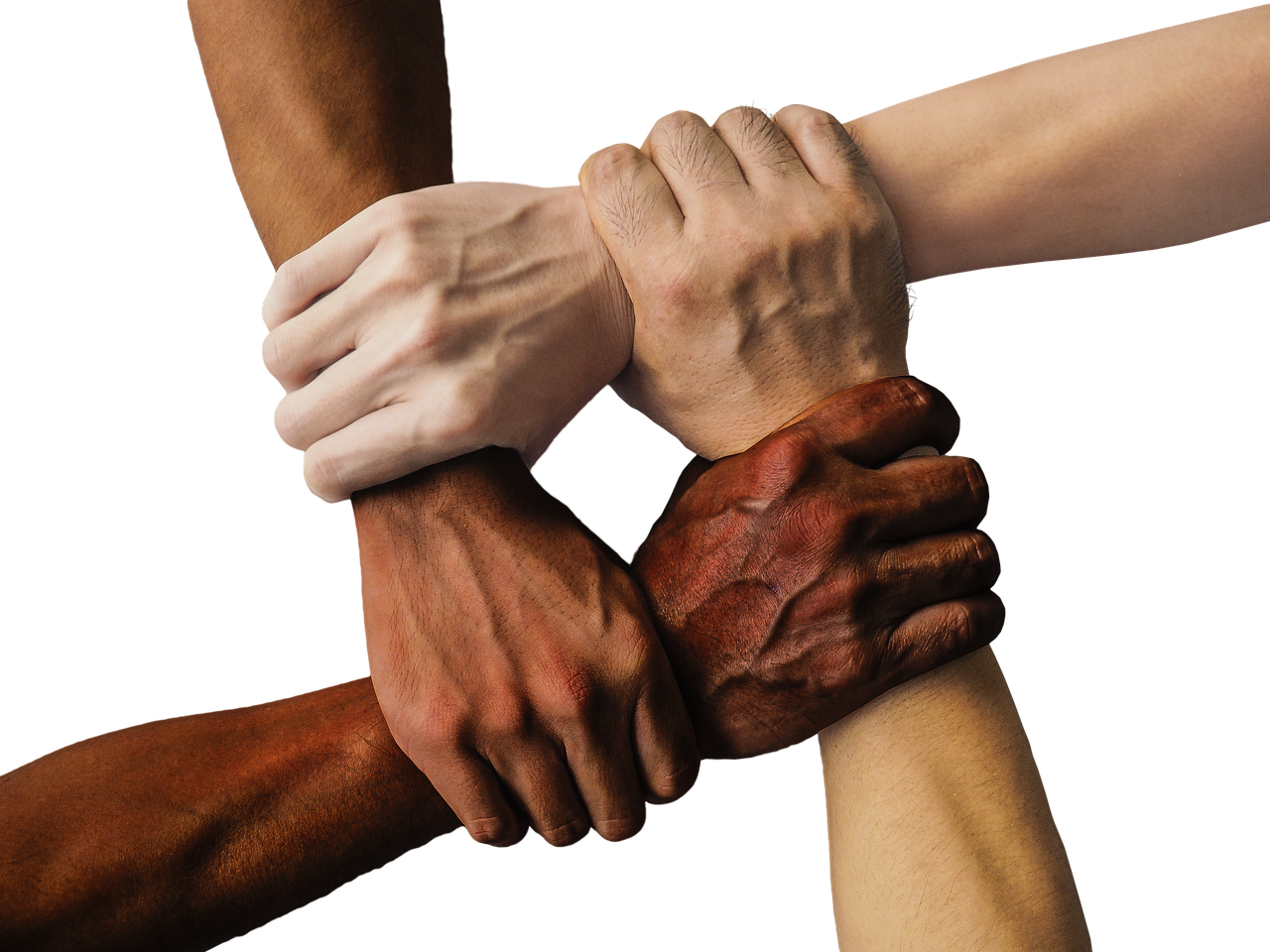
Social collaboration spaces have become essential in nurturing community engagement and building long-term relationships. These spaces foster communication and collaboration, bridging the gap between individuals with diverse backgrounds and expertise. To create an effective collaboration space, it is crucial to prioritize tools that facilitate human connection, including video conferencing, chat functionality, and project management systems. By offering a reliable platform, you encourage participation and help individuals feel valued in the process. Active encouragement and consistent engagement strategies can enhance interaction, ensuring members remain invested in collaborative efforts. Moreover, setting up guidelines that promote respect and inclusivity within the collaboration space leads to a supportive environment. Regularly collecting feedback makes it easier to adapt the space and its functionalities to better meet users’ needs. Encouraging members to share their ideas fosters a sense of belonging, as they realize their contributions matter. In addition, recognize and celebrate achievements within the community, building a dynamic environment that inspires continued collaboration. Ultimately, the heart of social collaboration spaces lies in the people, their connections, and the collaborative spirit they create together.
To maximize the effectiveness of collaboration spaces, developing a strong sense of trust is essential. This trust fosters open communication and vulnerability, allowing individuals to share ideas freely without fear of criticism. One effective way to build trust is through team-building activities. These activities can be interactive games, workshops, or structured meetings focused on team dynamics. By investing time in these initiatives, community members develop deeper connections, which can translate into more effective collaborations. Additionally, transparency plays a critical role in trust formation. When participants feel informed about decisions and project directions, they are more likely to invest their efforts wholly. Regular updates and open forums to discuss challenges increase accountability, fostering a sense of community ownership in the collaboration process. It’s also important to recognize that building trust takes time, and each interaction within the space needs to reinforce the expected norms. As rapport grows, individuals will naturally begin to support each other more actively, resulting in richer collaborations. Remember that creating an environment where everyone feels comfortable expressing their opinions is key to fostering lasting relationships that enhance overall creativity and productivity within the space.
Creating inclusive collaboration spaces is fundamental to building meaningful relationships among diverse members. Embracing diverse perspectives offers unique insights that enhance creativity and innovation, which are invaluable for collaborative projects. Start by promoting various communication styles through tools catering to different preferences, such as written versus verbal communication. This ensures that everyone can participate actively, reducing barriers that may exclude certain voices. Additionally, incorporating accessibility features makes spaces more welcoming for individuals with disabilities. When all members can navigate collaboration tools effectively, it encourages greater engagement and contributions. Regularly inviting feedback regarding inclusivity promotes continuous improvement and ensures that members feel heard and valued. Engagement should involve not only facilitating collaboration but also recognizing the unique contributions each member brings to the table. Acknowledging these contributions can be empowering and can further elevate a person’s motivation to participate. Moreover, bringing in external guests or speakers for workshops or seminars can provide fresh perspectives and insights into members’ work. Such initiatives help broaden members’ horizons while deepening their connections with one another. This collective growth ultimately leads to a more vibrant, innovative, and engaging collaboration space for all participants.
Utilizing Technology effectively
Technology plays a pivotal role in enhancing the effectiveness of collaboration spaces. To build long-term relationships effectively, selecting the right set of tools is of utmost importance. Cloud-based applications enable seamless file sharing, allowing participants to access crucial documents anytime, anywhere. This convenience enhances collaboration and drives participants towards engaging actively. Integrating project management software into your collaboration space helps track progress and timelines, ensuring accountability among team members. Real-time communication tools such as messaging apps and video conferencing facilitate instant communication, breaking down geographical barriers. These technologies enable quick decision-making and effective brainstorming sessions. However, it is essential to maintain a balance to avoid overwhelming users with too many platforms, which can lead to confusion and disengagement. Therefore, curating a tailored digital ecosystem that aligns with users’ preferences can significantly enhance the quality of collaboration. Additionally, tech literacy plays a vital role in ensuring everyone can use the tools effectively. Providing training or resources to familiarize members with the chosen technology leads to a more empowered and confident community, hence fostering stronger relationships that stand the test of time.
The role of leadership in fostering collaboration spaces cannot be underestimated. Leaders set the tone and help establish the culture of collaboration, creating an environment where members can thrive. A positive leadership style embraces transparency, open communication, and inclusivity, encouraging individuals to contribute actively. As a leader, it’s essential to recognize and celebrate milestones, both big and small. Acknowledging accomplishments fosters motivation and a sense of community pride, reinforcing relationships among members. Moreover, being approachable and actively participating in discussions helps leaders build rapport with their teams, demonstrating that everyone’s input is valued. It’s important for leaders to listen actively to the concerns and suggestions of their members, facilitating solutions collaboratively. Providing opportunities for members to take initiative and lead projects encourages collaboration while empowering individuals to step out of their comfort zones. This, in turn, nurtures long-lasting relationships built on mutual respect and admiration. Leadership should ensure that people feel safe and supported to collaborate and innovate freely, knowing that they are part of a larger community working towards common goals and objectives.
Another vital aspect of building long-term relationships in collaboration spaces is the significance of regular events and gatherings. Organizing collaborative events offers opportunities for members to connect beyond formal meetings or projects. Social gatherings, workshops, or themed brainstorming sessions foster informal interactions that strengthen relationships and promote teamwork. During these events, individuals can share stories, experiences, and even challenges. These shared discussions can lead to mutual support, as members learn from each other’s experiences and grow together. Furthermore, events allow organizations to showcase their members’ talents, encouraging appreciation of diverse skills within the community. Encouraging member-led initiatives, such as lunch-and-learn sessions or interest clubs, fosters camaraderie and collective learning. It’s essential to create an inviting atmosphere during these events to encourage participation and engagement. Moreover, capturing moments from these gatherings can enhance community spirit when shared through newsletters or social media platforms. Regular gatherings reinforce the idea of a cohesive community, making individuals feel more connected in the collaboration process. As a result, stronger relationships are formed that ultimately lead to more significant accomplishments and shared success among community members.
Continuous Improvement and Feedback
Lastly, building long-term relationships in collaboration spaces involves nurturing a culture of continuous improvement and feedback. Implementing regular check-ins and feedback loops allows members to voice their opinions about their experiences in the space. This transparency helps leaders understand areas needing enhancement while nurturing a sense of ownership among members. When individuals feel empowered to share their insights, they become more invested in collaborative efforts because they see their suggestions in action. Encouraging a mindset of constant improvement drives innovation and adaptation, ensuring the collaboration space evolves alongside its members. Moreover, regular assessments can help identify trends, successes, and areas for further growth. Organizing anonymous surveys or feedback sessions can be effective in gathering honest responses, enabling leaders to make data-driven decisions. Additionally, leveraging various data points—such as engagement metrics—can provide a clearer picture of the space’s overall effectiveness. By committing to continuous improvement, leaders can create an environment that genuinely values each member’s voice. This dedication fosters lasting relationships, strengthens connections, and ensures multi-faceted collaboration efforts resonate well with community members for years to come.
This is yet another technique to build relationships. As you create initiatives for collaboration within community spaces, aiming for mutual goals is crucial. Forming sub-teams or focused groups can allow members to tackle specific tasks more efficiently while cultivating deeper bonds. Encouraging collaboration at the subgroup level can enhance commitment and promote initiative, which in turn nurtures personal and professional relationships. Within these sub-teams, implementing shared objectives and ensuring everyone has a clear understanding of their roles helps streamline processes and reduce misunderstandings. Organizing team challenges or healthy competition can boost engagement and camaraderie while fostering fun and excitement in the collaborative journey. Recognizing and affirming each person’s contributions during these initiatives strengthens the community’s ties. Regularly celebrating subgroup achievements maintains motivation and encourages a culture of collaboration that extends throughout the entire space. Ultimately, this approach not only enhances productivity but also enriches interpersonal dynamics among participants. The deeper the bonds formed, the more likely individuals are to advocate for one another and contribute actively to collaborative projects throughout the community space.