
Tips for Scheduling Social Media Posts Across Different Time Zones for Global Events
To effectively manage social media for international events, you must first understand time zones. Time zones can create confusion, particularly for events spanning multiple regions. An essential step is determining the specific locations of your audience. This ensures that posts go live when they are most likely to be seen. For example, consider utilizing world clocks or online tools to help convert the different time zones to your local timezone. By doing this, you can identify the best times to schedule your posts based on peak engagement times in various regions. Understanding your audience’s behavior in their respective time zones allows for better engagement and maximizes the reach of your content. Additionally, using scheduling tools such as Hootsuite or Buffer can greatly simplify the process. These platforms allow you to customize post timing, enabling better targeting for each audience segment. Furthermore, always remember to monitor engagement after the posts go live to see which timings yield the best results. Reflecting on collected data is crucial for adjusting strategies for future events. Learning from previous experiences will deliver targeted outreach that resonates globally.
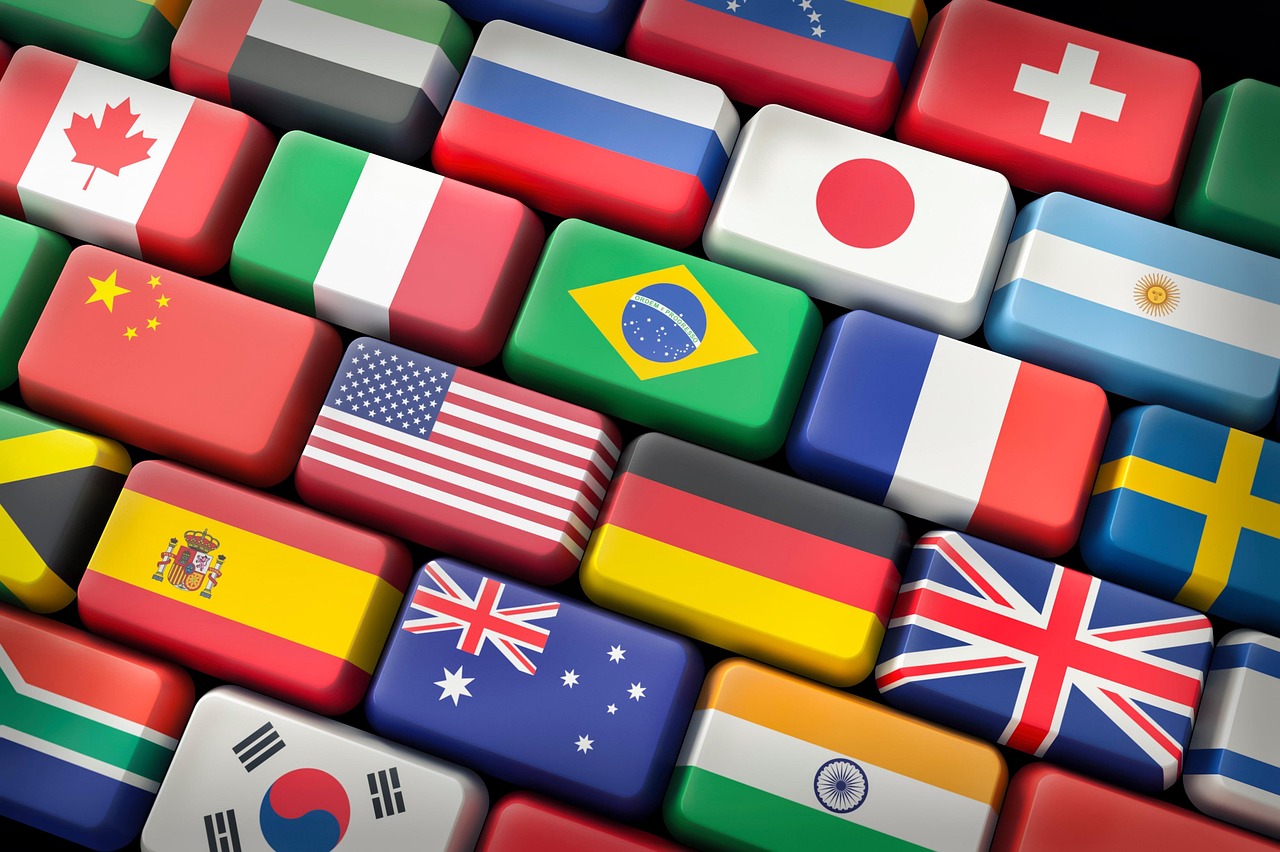
Another vital consideration is the cultural differences that influence engagement across time zones. Cultural norms can dictate how content is perceived and what times are considered appropriate for engagement. Thus, you need to tailor your messaging to align with local values and customs. Take time to research the countries represented among your audience to understand their cultural nuances. Moreover, local holidays might affect engagement frequency as people may be occupied with celebrations. If your audience in certain regions will not be checking social media frequently during major holidays, plan accordingly. It’s beneficial to create a content calendar that considers these cultural factors. This involves marking significant dates that might impact your audience’s online behavior. Additionally, consider using language localization for various demographics. In areas where multiple languages are spoken, consider applying multilingual strategies to enhance connection. This approach builds stronger relationships with your audience by demonstrating cultural sensitivity and awareness. Engaging with local influencers can further amplify your reach. These influencers already understand the audience’s intricacies, providing valuable insights that guide effective scheduling and content style for distinct regions.
Analyzing Engagement Metrics
Your next challenge is analyzing engagement metrics to refine future scheduling strategies. After your posts are live, pay attention to analytics related to post times and performance. Engagement rates vary depending on location, revealing critical insights about the best times for your audience. Use tools such as Google Analytics or social media insights to track likes, shares, comments, and overall engagement. Look for patterns showing which time slots generate the highest interactions. For global events, trends might differ significantly from those in local contexts. Therefore, understanding these metrics ensures you schedule posts effectively in the future. Apart from engagement, also measure conversions from your posts to assess their effectiveness. Implement A/B testing on key posts, where you vary the times at which content is published to better gauge audience preferences. Tracking performance over time highlights the aspects of your scheduling that resonate with followers. Ultimately, continuously monitoring these metrics allows for adaptive strategies that better serve your audience’s needs. Over time, your social media presence can become more refined and efficient, yielding a stronger impact during your international events.
Additionally, to streamline communication with your international teams, consider setting shared calendars to plan your posts. Using platforms like Google Calendar or Asana can ensure everyone is on the same page regarding when content should go live. When everyone involved understands the timing strategy, it fosters more seamless collaboration in content creation and scheduling. Having a centralized point where everyone can monitor deadlines enhances accountability among team members. Establishing clear roles and responsibilities is vital. Make it clear who is in charge of generating content, approving posts, and scheduling. Encourage team members to be aware of each other’s schedules and time zones. Regular check-ins can also promote effective communication as deadlines approach. This method allows teams to address and adapt any scheduling conflicts proactively. Encourage feedback loops after each event to evaluate what worked well and what needed improvement in the scheduling process. Team members can share insights regarding audience reactions in their regions, contributing to collective learning. Through continuous collaboration, your social media strategy for events will evolve into a more cohesive and far-reaching endeavor.
Utilizing Scheduling Tools
To make the scheduling process even more efficient, leverage powerful social media scheduling tools. Many applications allow you to automate the timing of your posts according to the audience’s time zones. By employing these platforms, the need for constant manual adjustments is greatly reduced. Tools such as SocialBee or Later enable you to plan entire campaigns ahead of time, directly targeting the most beneficial times in each region. Most of these platforms also offer analytics features, allowing you to track post performance over time. This smart function helps manage multiple platforms simultaneously, ensuring consistency across all channels. Scheduling posts weeks in advance means you can focus on real-time engagement during the event, rather than worrying about posting as you go along. Moreover, draft your content early so you can dedicate time to refining it before publication. Well-prepared content contributes immeasurably to a successful event social media strategy. Additionally, set reminders for real-time interactions during key event moments to maintain an active presence and engage with your audience. This right mix of automation and personal engagement optimizes your global social media strategy.
Effective use of hashtags plays a vital role in reaching a broader audience during global events. Tailor your hashtags to cater to the different locations represented at your event. This helps in making your content discoverable across various platforms. Utilize generic tags along with localized versions that resonate with specific audience segments. Furthermore, evaluate trending hashtags relevant to your event’s niche or theme. Combining trending and regional hashtags increases your visibility manifold; followers searching for those keywords can engage with your posts more easily. In preparation for the event, research popular hashtags that align with the various locales represented at your event. You might even consider creating unique event-specific hashtags that encourage attendees to participate in the conversation. Encourage attendees to use these tags during the event to further enhance engagement. This approach not only expands reach, but also fosters a community around your event. Besides scheduling posts carefully, having the right hashtags ensures your content remains relevant and reaches the target audience regardless of their geographical positioning. Engage actively with users who utilize your event hashtags to build a sense of belonging and connection.
Final Thoughts on Multilingual Scheduling
Lastly, a comprehensive approach to multilingual social media strategies is essential for maximizing the effectiveness of your global events. Remember that simple translations may not be sufficient; the nuances and cultural context of each language are equally important. Employing professional translators or native speakers when crafting your content ensures precision and cultural relevance. This means considering regional dialects or colloquialisms to better resonate with the audience. Additionally, keep an eye on local regulations regarding social media communications as these may vary across countries. Adhering to these regulations not only demonstrates respect but also helps avoid potential penalties. Coordinating your posts’ timing with local patterns fosters an inclusive online experience that engages attendees regardless of where they are based. The goal is to create a seamless connection to the event that mirrors the diverse language and cultural makeup of your audience. Investing time and resources into developing a robust multilingual strategy pays off significantly with better engagement, enhanced awareness of your event, and ultimately greater success. Most importantly, stay adaptable and responsive to the feedback and metrics you collect to refine your approach further.
Throughout the event’s lifespan, your multilingual social media strategy should be viewed as an ongoing process rather than a one-time task. This perspective is crucial for creating lasting connections with a global audience. Upon completion of your event, analyze all interactions and collect feedback from participants. Furthermore, maintain communication with attendees for follow-up content delivery. Engaging continually with your audience builds loyalty and prepares fertile ground for future events. By focusing on nurturing relationships rather than just transactional interactions, you set a standard for subsequent events. Additionally, consider how lessons learned can be integrated into your next multilingual strategy. Regularly reassessing and adjusting the timing and content of your social media strategies based on spontaneous global changes or audience needs will put you ahead of competitors. This ongoing commitment to evolution ensures that your strategies remain effective and appealing. Ultimately, an adaptable approach allows you to harness the full potential of your social media presence. Successful global event management relies heavily on the interplay between adept scheduling, cultural awareness, and audience engagement. Through these combined efforts, you can successfully engage diverse audiences and create impactful event experiences.