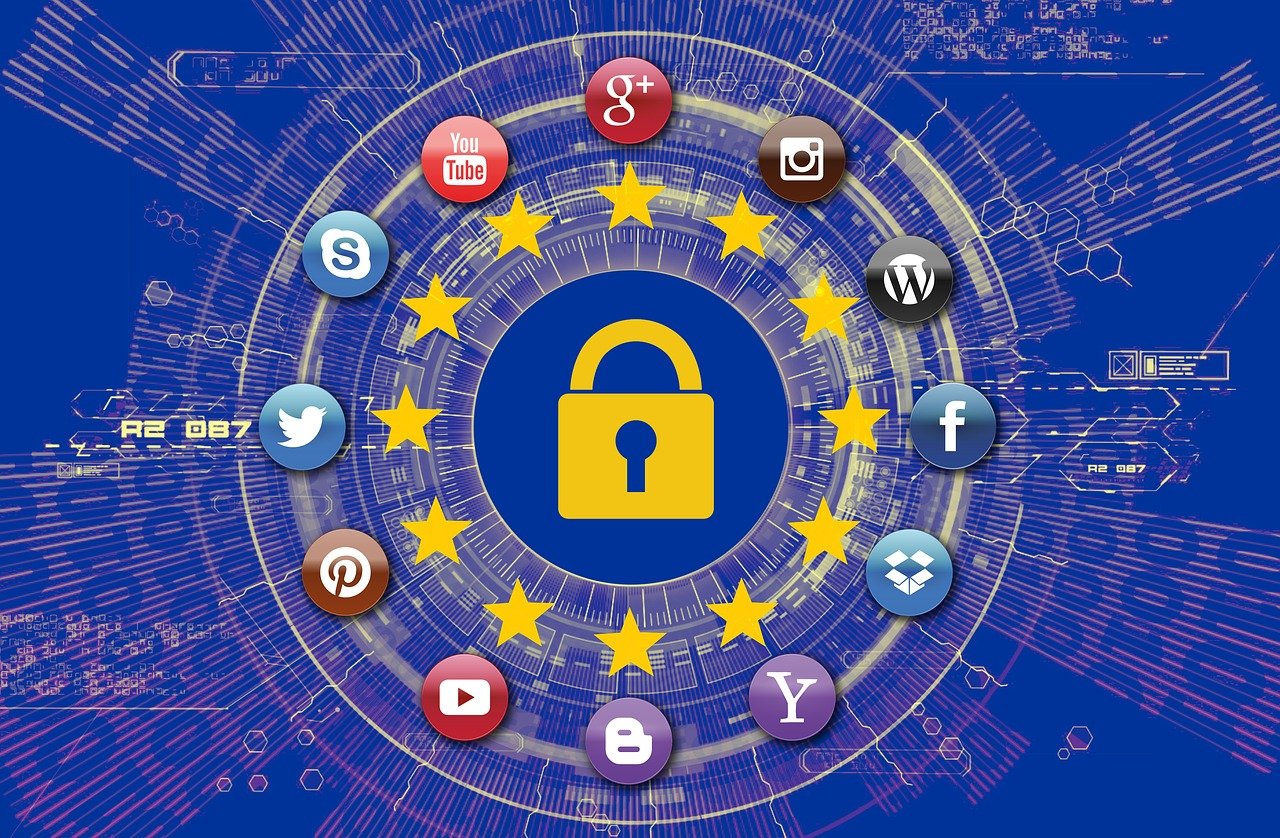

Navigating Privacy Challenges in Social Media Advertising
Social media advertising has revolutionized how brands communicate with their target audiences. Nonetheless, it has generated significant privacy concerns among consumers. The core of these issues lies in the collection and usage of personal data. Advertisers often gather detailed information about user preferences, behaviors, and demographics through sophisticated tracking methods. This data enables highly tailored advertisements but raises ethical questions. Users deserve transparency about how their data is utilized. Moreover, with strict regulations like the GDPR, brands must comply with the laws governing personal data. Failure to comply can result in hefty fines. As such, advertisers are compelled to balance effective ad strategies with compliance, raising questions about the long-term effects of privacy laws on this marketing avenue. The importance of building trust with consumers is paramount. Brands that prioritize transparency and actively inform users about data usage tend to foster a better relationship with their audience. Moreover, they stand out in competitive markets by showcasing their commitment to data privacy. Understanding these dynamics is crucial for brands looking to leverage social media advertising effectively without compromising user trust.
Understanding Consumer Concerns
To navigate privacy challenges in social media advertising, understanding consumer concerns is essential. Many users are increasingly aware of potential misuse of their personal information, leading to anxiety regarding data protection. Surveys reveal that a significant percentage of consumers feel uncomfortable with the idea of brands tracking their online activities. They often express fears about identity theft and invasion of privacy, which can lead to negative perceptions of a brand. For advertisers, addressing these concerns starts with actively communicating their data collection practices. Providing clear, accessible information about how consumer data will be used serves to establish trust. Additionally, efforts should be made to offer users control over their data, including opting out of targeted advertising. Brands can incorporate opt-in mechanisms that empower users to choose their level of engagement. This approach not only alleviates privacy apprehensions but also enhances the overall customer experience. By fostering an environment of consent and transparency, social media advertisers can mitigate backlash while ensuring effective tailored marketing campaigns. Understanding these consumer perspectives is crucial for creating strategies that not only comply with regulations but also resonate positively with audiences.
Additionally, technology plays a pivotal role in shaping privacy in social media advertising. Innovative tools and platforms have emerged, designed to enhance the compliance efforts of advertisers. For instance, companies are utilizing advanced encryption techniques to secure personal data during transmission. Such practices are essential for safeguarding user information against potential breaches. Moreover, the implementation of robust consent management platforms allows brands to streamline their data collection processes. These systems ensure that users are informed about the data requested and its purpose. This transparency not only complies with regulations but also reinforces trust between brands and consumers. Moreover, utilizing artificial intelligence and machine learning can help in segmenting audiences without compromising personal data. By focusing on aggregate data rather than individual tracking, brands can target audiences more ethically. The introduction of privacy-enhancing technologies enables advertisers to continue delivering personalized content while respecting user preferences. Therefore, staying updated with these emerging technologies is vital for social media advertisers aiming to thrive in a privacy-conscious landscape. By adopting proactive measures and leveraging technology effectively, brands can navigate this complex ecosystem successfully.
Regulatory Landscape
The regulatory landscape surrounding social media advertising continues to evolve, presenting additional privacy challenges. Laws like the General Data Protection Regulation (GDPR) have introduced stringent compliance requirements for businesses. Marketers must ensure that their practices align with these regulations or risk facing penalties. Moreover, different jurisdictions have varying laws governing data privacy, making global advertising a complex task. For instance, the California Consumer Privacy Act (CCPA) establishes specific rights for California residents concerning their personal data. Therefore, advertisers must adapt their strategies to cater to these legal frameworks effectively. It becomes increasingly vital for brands to stay informed about changes in legislation and to engage in proactive compliance efforts. Regular audits of data practices, employee training on compliance issues, and establishing clear data policies are essential steps. By embedding a culture of privacy awareness within organizations, marketers can minimize risks associated with non-compliance. Additionally, prioritizing adherence to ethical standards demonstrates a commitment to protecting user rights. Ultimately, navigating the evolving regulatory landscape will require diligence and a proactive approach to ensure responsible advertising practices.
Building a reputation for data responsibility in social media advertising is crucial. Brands that prioritize privacy concerns often see a positive return on investment in the long run. Customers are more likely to engage with companies that demonstrate a clear commitment to safeguarding their personal information. As consumer expectations evolve, brands must adapt by integrating privacy into their core marketing strategies. This includes aligning all advertising efforts with the principles of transparency and user empowerment. Implementing straightforward privacy policies that outline data practices will significantly enhance brand reputation. Moreover, actively involving consumers in conversations about data usage can foster a sense of community and belonging. Strengthening customer relationships leads to higher levels of brand loyalty, especially in markets saturated with choices. The efficacy of campaigns increases when customers trust a brand and its intentions. Companies should leverage storytelling to elucidate their data practices, showcasing real examples of how customer data is protected. By being transparent about their advertisements’ targeted nature, brands can build consumers’ confidence. Therefore, cultivating transparency can serve as a competitive advantage in the crowded realm of social media advertising.
Future Trends in Privacy
As technology continues to advance, emerging trends will shape the future of privacy in social media advertising. One noticeable shift is the transition towards privacy-centric marketing strategies. Companies are beginning to recognize that user privacy is not merely a compliance issue but a fundamental component of marketing success. Brands may adopt privacy-first approaches, developing strategies that prioritize consumer rights. This shift could involve minimizing data collection efforts while utilizing innovative tools to achieve marketing goals without compromising user trust. Moreover, the impact of browser changes restricting third-party cookies will reshape influencer strategies, driving a focus on first-party data. Collaborating directly with consumers to collect insights can yield richer data without infringing on privacy. Additionally, transparency in advertising will need to intensify as regulatory scrutiny grows. Brands that proactively inform users about their practices will distinguish themselves in a privacy-aware environment. The demand for ethical advertising is likely to rise, encouraging businesses to adopt methods focusing on consent. As these trends continue to emerge, social media advertisers will need to evolve to maintain relevance and credibility in a landscape marked by increasing privacy awareness.
Finally, collaborations between brands, policymakers, and consumer advocates will play an essential role in shaping the future of privacy in social media advertising. Engaging in meaningful dialogue about best practices for protecting consumer information is paramount. Working together, stakeholders can develop guidelines that foster innovation while ensuring user trust remains intact. Companies should seek to participate in discussions around regulatory frameworks and privacy guidelines actively. By contributing to the conversation, brands can protect their interests in the marketplace while promoting best practices. This collaborative approach can enhance mutual understanding of consumer rights and allow brands to align their strategies with user expectations. Furthermore, sharing insights on successful compliance efforts can help other businesses adapt to the evolving landscape. As privacy concerns continue to rise, building a coalition of industry stakeholders focused on ethical practices can be a significant stride towards establishing a safer advertising environment. Ultimately, such collaborations will enhance the reputation of the entire industry and serve consumers better, ensuring that advertising remains relevant and aligned with societal values.
The emergence of privacy-aware brands is likely to influence consumer purchasing decisions significantly. Such brands stand out by positively impacting a customer’s overall experience, emphasizing ethics and trust as core tenets of business strategies. Advertising campaigns that invest in clear messaging about privacy concerns will likely resonate with audiences more effectively. Educating customers about the importance of maintaining their privacy fosters a culture of awareness and responsibility on both sides. Businesses that excel in navigating privacy challenges are likely to gain a competitive edge, as consumers become increasingly discerning about relationships with brands. Moreover, influencers and social media personalities must adapt their advertising methods to align with these privacy dynamics. Influencer marketing strategies will need a renewed focus on transparency, where influencers disclose partnerships and promote products ethically. Integrating these principles into influencer marketing can lead to increased consumer trust and can positively affect brand perception. As social media advertising evolves, the importance of ethical practices cannot be overstated. Brands must prioritize these guidelines to maintain relevance in a landscape shaped by heightened privacy scrutiny.