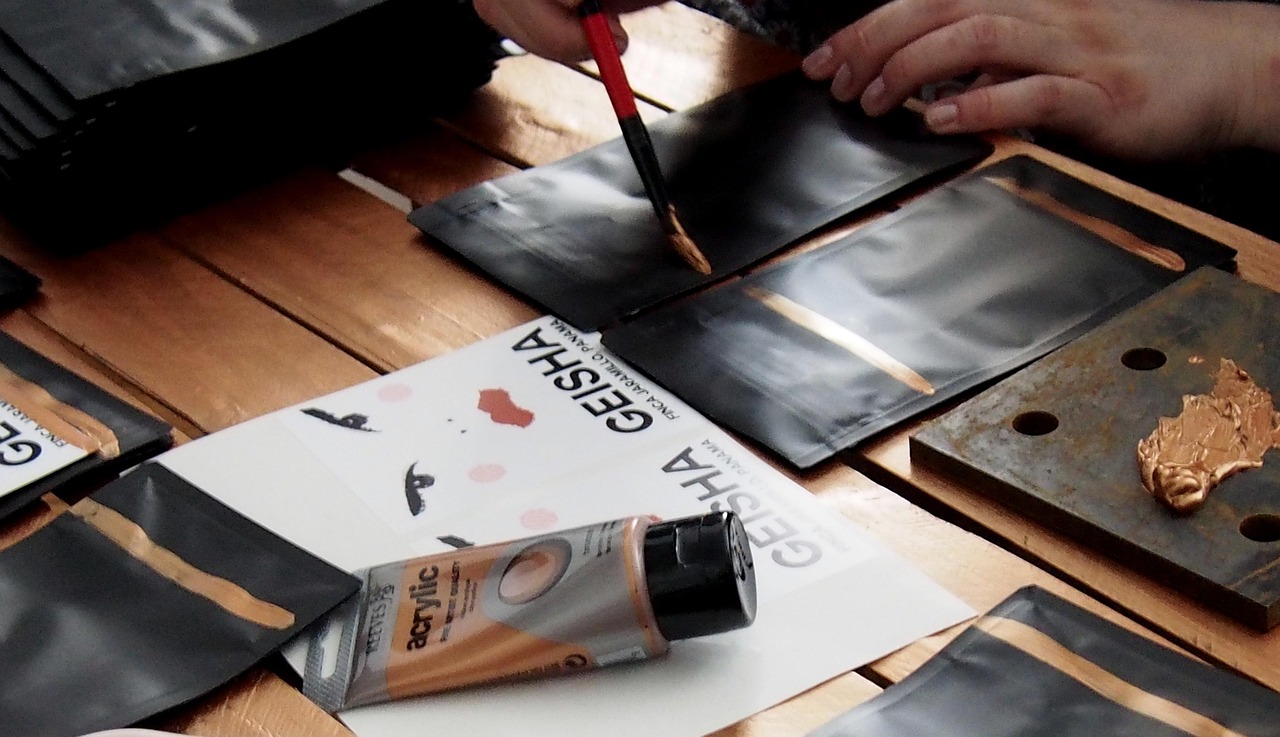

The Power of Packaging in Creating Viral Social Content
In today’s digital landscape, packaging is more than just a means to protect products; it plays a vital role in brand awareness and creating viral social content. Attractive packaging captivates consumers, encouraging them to share images and experiences online. This phenomenon is driven by the need for visual appeal and the desire to showcase unique products. Companies that invest in exquisite packaging can yield higher engagement rates on social media platforms. This engagement often translates into potential customers being drawn in by visually stunning designs that tell a story. The first impression consumers get from a product can significantly impact purchasing decisions. Well-crafted packaging fosters emotional connections, making products more memorable. Unique shapes, colors, and materials can evoke specific feelings related to the brand. Additionally, eco-friendly packaging initiatives are increasingly appealing to consumers who are environmentally conscious. Brands like Apple and Coca-Cola exemplify successful packaging that not only protects products but also resonates emotionally with consumers. This article delves into how effective packaging design can lead to impactful social media content, illustrating the relationship between visual appeal and increased brand visibility.
The impact of packaging extends beyond aesthetics to the functionality of the product. Functional packaging enhances user experience, making it easier for consumers to interact with their purchases. Packaging that is easy to open, resealable, or portable tends to attract more attention on social media platforms. Consumers often share their experiences with innovative and convenient packaging, further amplifying brand visibility. For instance, brands that utilize unique opening mechanisms or reusable designs stand out on platforms like Instagram or TikTok. This user-generated content becomes a powerful marketing tool, creating authentic engagement with potential customers. Additionally, storytelling through packaging can further capture the audience’s attention. By using creative design elements, brands can narrate their journey, mission, or values directly through their packaging. This approach fosters a deeper connection, as consumers feel aligned with a company’s purpose. Furthermore, limited edition or seasonal packages can create a sense of urgency, compelling consumers to buy and share their experiences. In a visually-driven world, packaging is not just functional; it is an essential component of brand identity and consumer connection that drives social sharing.
Utilizing Colors and Graphics to Attract Attention
Color choice and graphic elements are critical components of effective packaging design. The right colors evoke emotions and influence consumer behavior significantly. Studies reveal that colors can increase brand recognition by up to 80%. For example, bright colors often convey excitement while soft hues induce calmness. Brands must carefully select color palettes to align with their desired consumer emotions and brand identity. Additionally, graphics or illustrations on packaging can catch the eye of potential customers, making the product more shareable. Unique designs that integrate lifestyle images or intriguing patterns can spark curiosity and invite consumers to learn more about the product. Eye-catching visuals can also compel users to stop scrolling through their feeds to admire a well-crafted package. This attraction leads them to snap pictures, generating organic content shared within their networks. Moreover, concise yet impactful text on packaging can enhance understanding and increase interaction. Clear messaging, combined with appealing design, promotes brand loyalty and encourages sharing online. By understanding color psychology and graphic design, brands can create packaging that not only captivates but also thrives in the digital landscape.
Crafting an unforgettable experience goes beyond visuals; it involves the sense of touch and sound. The tactile experience of packaging influences consumer perceptions of quality and value. Textured surfaces, matte finishes, and embossed logos create a sense of luxury that invites consumers to engage physically with the product. Packaging that feels good to touch often results in higher chances that customers will share their experiences online. Sound, such as the satisfying crinkle of a bag or the pop of a seal, can also enhance the experience, making it memorable and shareworthy. This multisensory approach offers a more immersive experience that encourages users to create content that showcases their interactions with the product. In essence, packaging design transcends simple presentation; it creates a multi-dimensional interaction that consumers desire to share. As a result, brands must experiment with various materials and finishes to find unique solutions that resonate with their audience. Exploring sensory branding in packaging can foster greater emotional connections and increase shares on social media. Ultimately, an integrated approach to design leads to authentic and relatable content that speaks to consumers’ hearts.
Leveraging Social Media for Packaging Exposure
The integration of social media marketing with packaging design can magnify brand presence and awareness significantly. Brands today understand that having visually striking packaging encourages customers to post their product experiences online, thus becoming brand ambassadors. Social platforms serve as fertile ground for sharing these encounters, leading to organic growth in brand visibility. Engaging customers through unique packaging can prompt them to create unboxing videos, showcasing their opinions about the product. Such user-generated content reaches wider audiences, fostering a sense of community and trust around the brand. In addition, brands can take advantage of relevant hashtags or challenges to further amplify their messaging. Strategic collaborations with influencers allow for even greater reach, as these individuals curate higher engagement rates with their followers. By involving influencers in packaging showcases, brands create excitement and anticipation around new launches, driving both traffic and sales. Companies should also analyze consumer feedback gathered from social media interactions regarding packaging choices. Exploiting this data can inform future design strategies, aligning products more closely with consumer preferences and enhancing overall market positioning.
The role of sustainability in packaging is increasingly significant as consumers grow more environmentally conscious. Brands that prioritize eco-friendly packaging solutions not only reduce their carbon footprints but also attract positive attention from consumers who share similar values. Sustainable packaging often becomes a talking point on social media platforms, facilitating discussions about product choices and their impacts on the planet. Packaging made from recycled materials, biodegradable options, or reduced plastic usage showcases a brand’s commitment to sustainability. Implementing transparent practices and communicating sustainability efforts effectively on packaging encourages consumers to share their purchases online, becoming advocates for the brand. Furthermore, sustainability resonates with younger demographics, driving purchasing decisions based on eco-responsibility. Brands must be willing to innovate and adapt their packaging strategies, integrating sustainable practices that speak to consumer concerns and preferences. Promoting these efforts through visually appealing and informative packaging can lead to increased shares of related content. Ultimately, prioritizing sustainability can propel brands into the spotlight, as consumers engage in conversations about packaging choices and share their support for environmentally responsible brands.
Conclusion: The Lasting Impact of Packaging
In conclusion, the design of packaging holds significant potential for fostering brand awareness and generating viral social content. By investing in visually appealing, functional, and sustainable packaging solutions, brands can create emotional connections with their audiences. These connections prompt consumers to share their experiences, leading to organic marketing growth through social media. Companies that harness the power of color, texture, graphics, and sustainability in their designs are better positioned to capture the attention of potential customers. This visibility not only leads to increased sales but also cultivates lasting brand loyalty. Moreover, as brands evolve, embracing the changing landscape of social media marketing remains essential. Strategies that encourage consumers to engage, share, and participate in brand narratives will continue to flourish. Ultimately, packaging is a crucial element in a brand’s ability to stand out in a saturated market. The synergy between compelling design, impactful messaging, and social sharing positions packaging as an indispensable tool in the quest for brand awareness and consumer connection. Investing thoughtfully in packaging creates opportunities that ripple throughout the business, enhancing brand legacy for years to come.