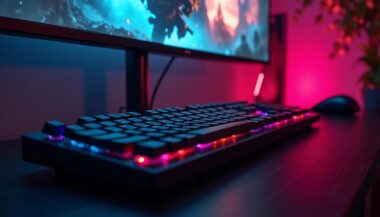

Creating Mood with Color Temperature in Live Stream Lighting
When it comes to live streaming, lighting plays a pivotal role in determining the quality of the broadcast. One essential aspect of lighting that many streamers overlook is color temperature. Color temperature affects how colors appear on camera, influencing both the mood and dynamics of the stream. By understanding how to manipulate color temperature, streamers can create the desired atmosphere to engage their audiences effectively. Warmer colors can evoke feelings of comfort and intimacy, while cooler colors can promote a sense of professionalism and energy. In this article, we will delve into the significant role of color temperature in live streaming. We will explore various lighting techniques that can be utilized to enhance the visual experience. Additionally, we will provide practical tips on implementing color temperature effectively in a live streaming setup. Whether you are a seasoned streamer or just starting out, mastering these lighting techniques will elevate your content and keep your viewers captivated. So, let’s light up your live streams with the perfect color temperatures and create memorable experiences for your audience!
Before diving deeper into the effects of color temperature, it’s important to understand what it exactly means and how it is measured. Color temperature is measured in Kelvin (K) and represents the hue of a specific kind of light, ranging from warm to cool tones. Generally, lower Kelvin values (below 3000K) are considered warm, while higher values (above 5000K) are cool. For example, candlelight has a color temperature of around 1500K, emitting a warm glow. On the other hand, noon daylight can measure around 6000K to 6500K, delivering a cooler, bluish tone. As a live streamer, the choice of lighting color temperature can influence not only how your stream looks but also how your audience feels while watching. Utilizing the proper color temperature can enhance the overall branding and storytelling aspects of your content, transforming an ordinary stream into a compelling virtual experience that resonates with viewers.
Understanding the Impact of Color Temperature
A significant part of effective live streaming lies in creating an emotional response from your audience. This response can be profoundly influenced by the color temperature of your lighting. For instance, if you are streaming a cozy gaming session or a personal vlog, using warmer lighting can instill a sense of comfort and familiarity among viewers. Conversely, if your stream involves tech tutorials or professional discussions, opting for cooler lighting can add a touch of clarity and professionalism, helping the audience focus on the content. By experimenting with different Kelvin values, you can test how your viewers react to shifts in mood based on lighting changes. Furthermore, adjusting your color temperatures strategically throughout the stream can keep the visual experience engaging. It’s all about understanding your audience and curating an atmosphere that fosters connection while delivering valuable content. Remember to consider how the color temperature harmonizes with your overall streaming aesthetic and branding, enhancing your unique personality and style.
To achieve the desired color temperature, streamers should invest in adjustable lighting solutions. LED lights are a popular choice due to their versatility and energy efficiency. Many LED lights come with adjustable color temperature features, allowing you to customize your lighting setup according to your streaming needs. When positioning your lights, you should also pay attention to the distance and angles to avoid harsh shadows that can detract from your appearance on camera. Softbox lights or ring lights can provide even illumination, helping to soften shadows and create a more flattering look. By combining different lights, such as warm and cool, you can achieve a balanced color temperature that enhances the overall visual quality of your stream. Furthermore, you can incorporate colored gels or filters in your lighting setup, creating dynamic and colorful atmospheres that add a unique touch to your broadcast. Experimenting with these techniques not only improves your lighting but can also inspire creativity within your streaming sessions.
Choosing the Right Lighting Setup
When choosing a lighting setup for your live stream, consider the type of content you produce. For instance, beauty tutorials typically benefit from bright, cool lighting that showcases detail effectively. In contrast, more casual, conversational streams often thrive under warm, soft lighting, creating a welcoming ambiance. It is essential to adapt your lighting according to the type of message you want to convey and the audience you wish to engage. Take time to assess the space where you stream as well; analyze how the natural light in that environment changes throughout the day. This assessment will help you decide whether to rely solely on artificial lights or employ natural sources, such as windows. Adapting to changing light conditions can enhance the overall production quality of your streams. Real-time adjustments during your broadcasts can significantly affect how viewers perceive your professionalism and commitment to quality. The key takeaway is to tailor your lighting setup to your content goals while keeping your audience’s experience in mind.
One essential tip for mastering lighting techniques is to maintain consistency throughout your live streams. This means not only using similar lighting configurations in every broadcast but also practicing to ensure effective execution. Consistency can create a recognizable aesthetic for your channel, helping build viewer loyalty. To achieve uniform lighting, consider investing in lighting equipment that matches in quality, such as using the same type of LED panels or softboxes. Additionally, you can document your settings and configurations to have a reference for future streams. This way, you can replicate successful setups easily. Making small tweaks can also enhance viewer experiences, encouraging them to stay engaged with your content. Keep in mind that viewer retention can correlate with aspects like lighting quality and color temperature. A well-lit stream with appropriate color tones fosters a more enjoyable viewing environment, ultimately leading to potential audience growth. By focusing on these aspects, you can significantly elevate your streaming quality and remain competitive in the increasingly crowded live streaming landscape.
The Importance of Testing and Adjusting
Regularly testing and adjusting your lighting setup is crucial for ensuring optimal results. As seasons change, so do the natural light conditions which can impact your streaming experience. Developing the habit of testing your lighting before going live allows you to troubleshoot potential issues and fine-tune your color temperature settings accordingly. Consider performing a few practice runs or dry runs, which can help identify any shadows, brightness problems, or unwanted color casts. During these practice sessions, evaluate how your visual presence translates on different devices, including smartphones, tablets, and larger screens. This is essential for ensuring the best viewer experience, as lighting that works well on one device may not translate equally well on another. Also, be open to audience feedback; they may provide insights into how your lighting affects their viewing experience. Their observations can highlight aspects you might overlook and allow you to make informed adjustments to your setup over time. Continuous improvement of your live stream lighting will inevitably contribute to your channel’s overall success.
In conclusion, mastering color temperature and lighting techniques is vital for the success of your live streaming endeavors. Color temperature profoundly impacts the viewing experience, branding, and emotional resonance of your content. As you enhance your lighting setup, keep in mind the significance of consistency, audience engagement, and regular adjustments. Investing in high-quality adjustable lighting sources and experimenting with different color temperatures can breathe new life into your streams. Remember that every viewer’s experience begins with the visual representation of your content, and quality lighting can effectively communicate your message. Implementing these lighting techniques not only boosts your professional image but also fosters a deeper connection with your audience, driving continued interest in your content. As the live streaming landscape continues to evolve, adapting your lighting strategies will help ensure you stay ahead in captivating the hearts and minds of your viewers. Embrace the art of lighting, and watch your streaming career thrive!