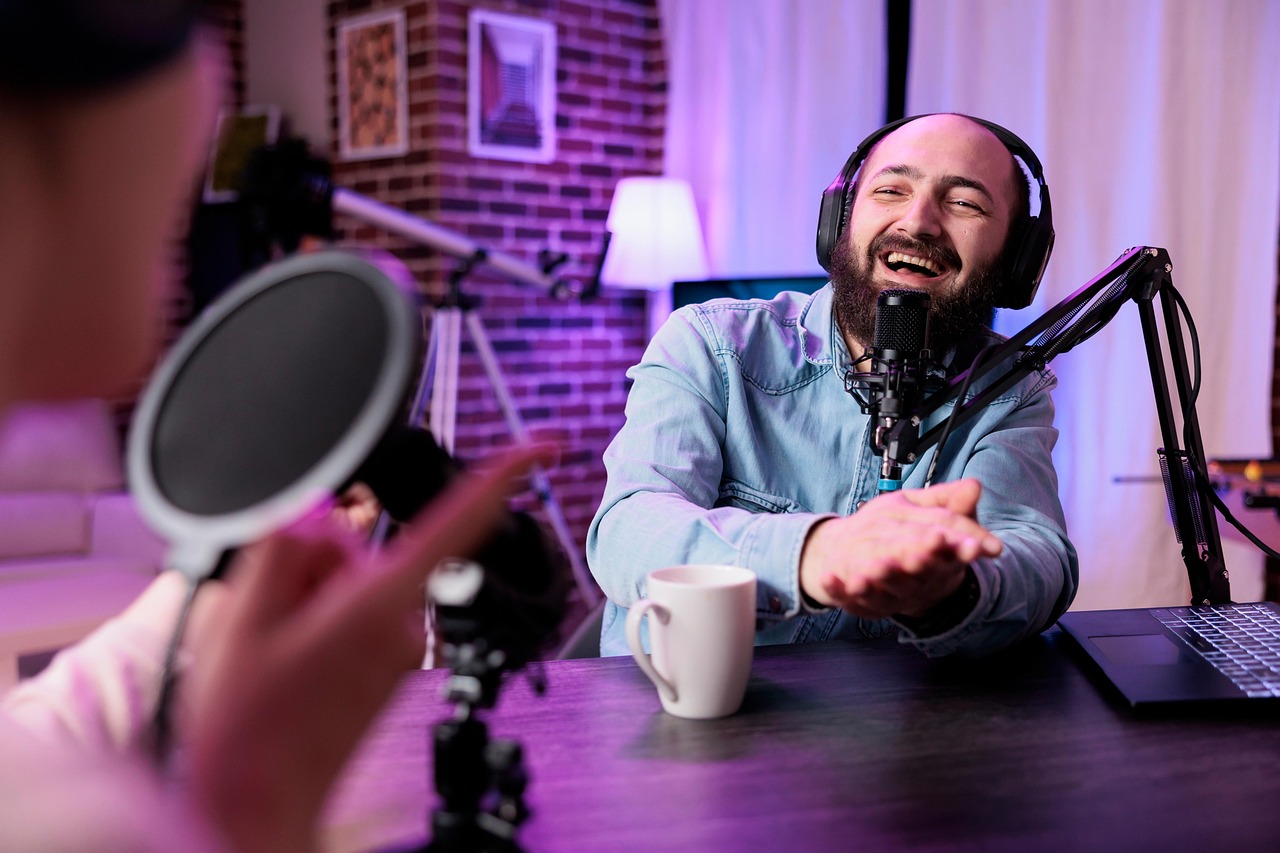

Using Podcast Content to Support Influencer Collaborations
Influencer collaborations have become a powerful way to reach new audiences through authentic engagement. In the rapidly evolving digital landscape, podcasts serve as an excellent medium to facilitate these partnerships. Leveraging both influencer content and podcast episodes can increase a brand’s visibility while also providing influencers with valuable content to share. By repurposing podcast content, brands can harness discussion topics and insights for promotional campaigns, enhancing their integrated marketing strategies. A calculated approach could lead to exploration of narratives that resonate with listeners, achieving greater impact. Incorporating sound bites from influencers or sharing behind-the-scenes experiences can enrich audience engagement levels significantly. With listeners often seeking genuine stories, showcasing influencers during podcast episodes can drive considerable traffic. Notably, it is important to maintain authenticity and quality to ensure the collaboration is perceived positively by audiences. Additionally, cross-promotion via social media channels can help partners amplify their reach. Together, brands and influencers can create a unique content ecosystem, fostering trust and loyalty among their shared audiences. This synergy breeds innovative opportunities while supporting sustained growth in their respective industries.
Podcasts not only provide a platform for creators and brands to share rich content but also present a unique opportunity for storytelling. When brands collaborate with influencers, they can amplify their messaging through shared experiences in podcast formats. This collaborative content can come in various forms—interviews, discussions, or even creative narrative forms. Such interactions help humanize brands and deepen connections with listeners. For example, influencers can strategically discuss product usage in stories that align with their lifestyles, making it relatable to their followers. Additionally, including testimonials from influencers about their experiences can enhance authenticity, leading potential customers to feel more inclined to explore the products highlighted. Research shows storytelling can significantly impact recall and engagement rates, making this approach highly effective. Moreover, the ability to repurpose podcast content ensures that brands can maintain the freshness of their messaging over time. Content shared through influencers can be segmented for various platforms, enabling strategic distribution across multiple channels. Repurposing can also improve search engine optimization, contributing to increased brand visibility. Therefore, adopting a well-structured approach ensures both brands and influencers maximize their efforts through podcasting.
Creating Collaborative Strategies
Designing effective collaboration strategies requires understanding the dynamics of audience engagement within podcast formats. One essential factor is determining the target audience and aligning that with the influencer’s demographic. Creating a shared vision from the very beginning enhances the overall success of the collaboration. Both parties must collaborate on content curation, ensuring that it resonates with their target demographics. Establishing this alignment nurtures cohesive storytelling; crafting messages to amplify brand values is crucial. It is also useful to define key performance indicators (KPIs) together ahead of time, measuring the collaboration’s impact accurately. January’s podcast episode campaign might focus on product launches, while another month features influencers sharing personal journeys about the product. This can greatly influence the timing and narrative structure, ensuring alignment with broader marketing campaigns. Creating a comprehensive promotional plan is essential in maximizing exposure. Leveraging social media, email content, and engaging visuals can enhance listener access to collaborative episodes. In the long run, the focus should always be on authentic connections that bring real value to audiences. Successful partnerships maintain their clarity of purpose, continuously engaging listeners through innovative content.
Utilizing analytics from previous podcast episodes provides insightful data for planning future influencer collaborations. Understanding which segments resonate most with audiences can guide both influencers and brands toward more impactful discussions. Analyzing listener demographics and engagement metrics provides clarity on topic preferences and desired interaction styles. Brands can tailor future content based on these insights to create further appeal. Moreover, identifying peak engagement times across various platforms can optimize promotional efforts. For instance, if a specific episode discusses a product in detail, it could be repurposed into shorter snippets, visuals, or quotes. These can then be shared across social channels to tease the main episode while driving traffic back to the podcast. Forward-thinking brands can also experiment with different formats—perhaps including live podcasts or Q&A sessions to capture the attention of influencer audiences directly. Notably, flexibility within these strategies allows brands to pivot based on ongoing feedback and performance trends. Adapting to audience preferences ultimately enhances the relevance of content presented. The actionable insights gained from analytics create an informed approach for leveraging influencers to support continued growth.
Maximizing Promotional Opportunities
One key approach to enhance promotion is through strategic planning of episode launches. Coordinating product releases alongside influencer podcasts can create a significant buzz and help drive targeted traffic. Brands should communicate timelines clearly to influencers, enabling them to prepare promotional materials, announcements, and teasers. Additionally, exploring multi-channel strategies ensures promotional efforts are synchronized. Influencers can share behind-the-scenes content during podcasts, inviting their followers to engage through social media in real-time. This strategy cultivates a sense of community around the content. Audience participation can also boost viewer numbers by enhancing engagement —questions, polls, and discussions can be encouraged through social platforms. Creating shareable graphics and audiograms that highlight key takeaways will offer influencers more tools to promote the episode effectively. Ensuring that all assets are accessible empowers influencers to manage their respective profiles better while maximizing exposure. Remember that feedback from followers acts as an invaluable tool; brands and influencers can utilize testimonials to further promote their collaborations within their sectors. Emphasizing communication between the two parties is paramount to ensure messages remain aligned throughout the process.
Engagement through influencer partnerships extends beyond podcast episodes; it often requires ongoing interactions to maintain momentum. Recapping key takeaways or insights in follow-up social media posts can deepen the connection with audiences. Encouraging podcasts’ live interactions fosters a sense of timeliness, encouraging listeners to participate actively. By sharing experiences, insights, or lessons learned through collaboration, audience engagement levels can significantly increase. Additionally, creating follow-up content, such as blog posts or video snippets discussing important topics from the episode, builds a more expansive conversation around the collaboration. Influencers can spotlight these discussions in their own channels. Moreover, integrating user-generated content can broaden the reach even further, inviting audiences to share their experiences with the discussed products. This not only strengthens community ties but also fosters authenticity in promotional efforts. Brands can harness shared content from audiences as social proof to validate their influencer partnerships. It is vital to shine a light on both brands and influencer contributions, showcasing overall successes. Building effective influencer relations through follow-up strategies fuels collaborative series that have the potential to captivate audiences over time.
Evaluating Success of Collaborations
Evaluating the success of influencer collaborations requires a balanced approach, focusing on qualitative and quantitative measures. Establishing specific benchmark metrics for performance analysis ensures accountability for both influencers and brands. Metrics might include podcast downloads, listener reviews, social media impressions, or lead generation counts attributed to the collaboration. These KPIs inform brands about the effectiveness of messaging and the reach of the influential voices involved. Sifting through audience feedback can reveal deep insights into areas for improvement and continued success. Understanding what audiences enjoyed may also guide future collaborative efforts. Conducting post-campaign surveys can unravel audience perceptions, highlighting their response to influencer partnerships. Utilizing focus groups may also delve deeper into preferences surrounding product promotion strategies and content consumption habits. Open communication with influencers about performance insights fosters transparency and collaborative problem-solving. Share successes, areas needing improvement, and insights directly resulting from the collaboration. Creating retrospective sessions allows both branches to discuss achievements and brainstorm innovations for future partnerships. Evaluating collaboration success ultimately helps solidify long-term relationships while increasing overall effectiveness in joint marketing endeavors.
In summary, leveraging podcast content through influencer collaborations creates impactful narratives ensuring brands gain visibility and audience engagement. By understanding audience preferences, strategizing content, and evaluating successes effectively, businesses can maximize their marketing endeavors. The synergy between brands and influencers nourishes authentic connections with audiences while driving growth across their respective sectors. Ultimately, purposeful collaborations based on genuine interest and shared goals create lasting impressions. The podcasting format, when executed well, can elevate storytelling, foster community, and lead to strategic visibility. Influencer endorsements provide an opportunity to tap into niche markets and engage previously unreachable demographics. In today’s digital landscape, the merging power of podcasts and influencer collaborations becomes invaluable. Brands have the potential to harness these strategies for sustainable growth as they navigate ever-changing landscapes. Considering this evolving medium allows organizations to enhance their digital footprint, creating enriched experiences. Therefore, strategic planning and execution around repurposed podcast content can empower influencers while solidifying brand identities. This multi-dimensional approach paves the way for innovative and effective marketing practices to reach desired audiences while establishing long-term loyalty. In moving forward, brands must balance creativity and analytics, ensuring they harness the full potential of this dynamic medium.