
Planning Event Campaigns with Social Media Cross-Promotion in Mind
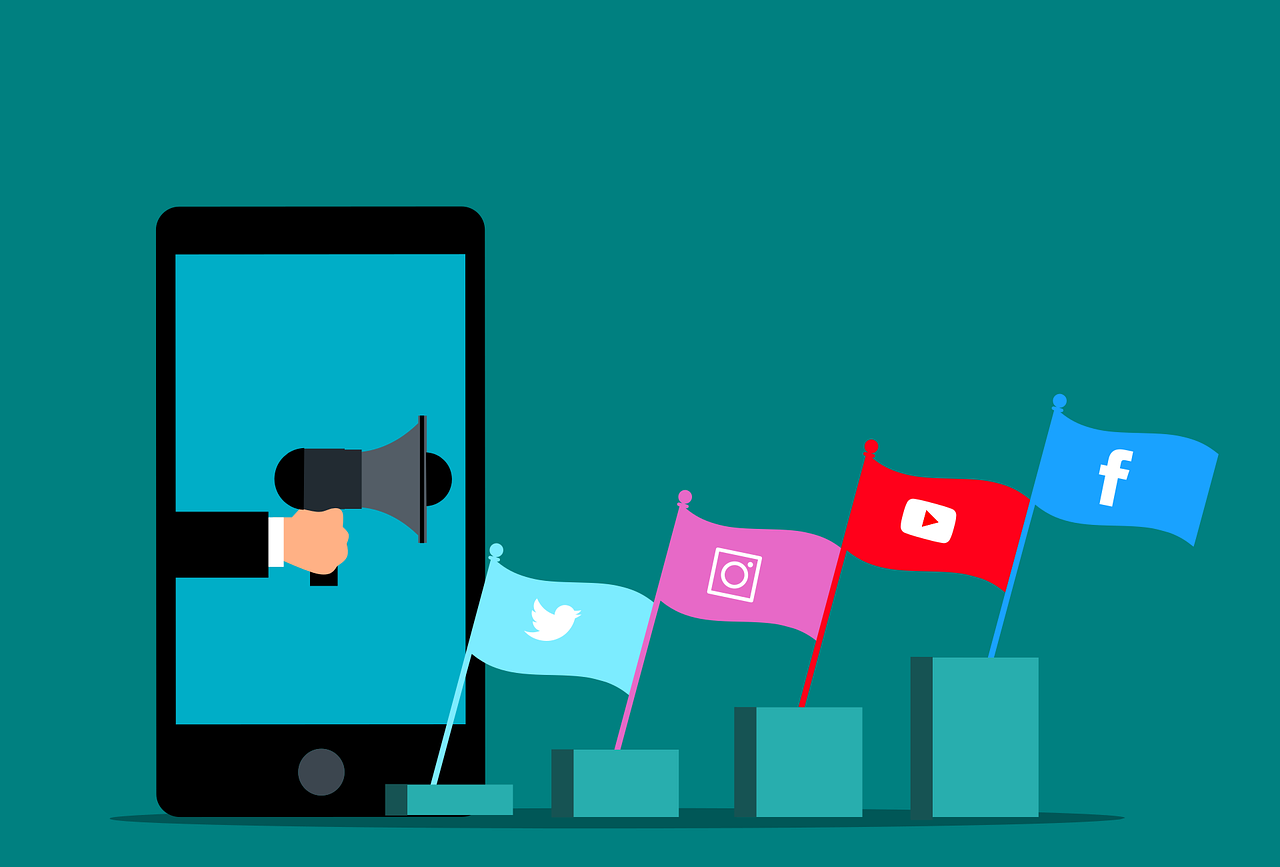
When organizing events, integrating social media into the campaign is crucial. It allows for maximum exposure and engagement with potential attendees. Start by identifying your target audience. Understand their preferences and habits on social media platforms. Use analytics tools to determine which channels yield the best results for your event type. Develop compelling content tailored to these platforms. You might consider creating eye-catching visuals, engaging videos, or informative articles. Use hashtags relevant to your event to increase visibility. Share behind-the-scenes content to generate interest and excitement. Collaborate with influencers who align with your event’s mission. Influencers can help promote your event to their followers, expanding your reach significantly. Create an event page on various platforms and encourage attendees to share it. This peer promotion can lead to increased attendance and engagement. Always track your progress. Use metrics to determine what strategies work best. Adjust your campaign based on this data to enhance future promotions. In conclusion, social media cross-promotion can effectively connect your event with a broader audience, ensuring success.
Creating Content for Social Media Promotions
Creating relevant and engaging content is key to successful cross-promotion of events on social media. Focus on developing a content calendar that outlines the types of posts to be shared before, during, and after the event. Incorporate various forms of content such as videos, graphics, blog posts, and live updates to keep your audience engaged. Infographics summarizing event details are appealing and easy to share. Consider hosting a countdown to the event on your channels, creating excitement and urgency among potential attendees. Utilize user-generated content. Encourage attendees to share their experiences and tag your event, which can enhance authenticity and reach. Highlighting participant stories or testimonials can draw attention to your event’s impact. Running contests or giveaways can also incentivize sharing and boost engagement. Regularly schedule posts leading up to the event to maintain visibility. After the event, share highlights and follow-ups to keep the momentum alive. Engaging with your audience in the comments section is equally necessary, fostering a sense of community and connection around your event.
Engagement during the event itself is vital. Use social media to provide live updates, behind-the-scenes content, and interactions that help keep attendees involved. Create a specific event hashtag for your audience to use and engage with on platforms. Encourage attendees to share their own experiences using the hashtag. This encourages content sharing and builds excitement. Live-streaming certain parts of your event can reach audiences who couldn’t attend. It can also maintain participation levels for those present. Use platforms like Instagram and Twitter for quick updates, while leveraging others like Facebook for longer posts and videos. Polls and questions on social media can spark conversations and interaction, enhancing the overall experience. Engaging booth setups encourage attendees to post and share their experiences online. Challenge them to create content uniquely highlighting your event. Post-event, thank participants online, and share some of the best content created. This re-engages your audience and encourages them to keep an eye on future events, resulting in increased loyalty.
Post-Event Follow-Up and Feedback
After your event concludes, it’s crucial to follow up with attendees. Gather feedback through surveys to collect insights about their experiences. This information can help in refining future events and promotions. Create content that reflects on the event, showcasing highlights and memorable moments. Share professional photographs and videos to visually capture attendee engagement. Thanking sponsors and partners publicly reinforces relationships for future collaborations. Remember to share this content across all your social media channels, maintaining engagement even after the event ends. Encourage further conversations about the event by posting discussion questions related to activities or speakers. Utilize analytics to measure post-event success—track mentions, shares, and engagement metrics. Analyze which aspects of your social media promotion resonated most with audiences. This data is invaluable for your next event planning process. Additionally, continuing to engage new followers gained during the event can help solidify a dedicated community around your brand. Share exclusive content or discounts for future events to keep them involved and excited about what’s next on your calendar.
Another aspect to consider when planning your campaign is cross-promotion with other businesses or influencers. Partnering with complementary brands can enhance your visibility and extend your reach. Establish mutual benefits in your partnerships; perhaps you can swap promotional posts or share each other’s content. Co-hosting events or joint giveaways can generate buzz and attract varied audiences. Make sure any co-partner aligns with your event’s mission, values, and target audience for a seamless collaboration. Consider mutual social media takeovers, where you increase the other party’s follower count, and vice-versa. Remember to create coordinated messaging for your posts across platforms. Consistency in branding helps audiences identify and follow along your campaigns. Don’t overlook email marketing as a form of promotion. Craft engaging newsletters highlighting the partnership and encouraging shares across social channels. This hybrid approach assures that you’re maximizing every opportunity for audience engagement. Incorporating different promotional strategies not only broadens your audience base but fosters community relationships. Positive collaborations can lead to lasting partnerships, enhancing the overall event experience.
Tracking and Analyzing Your Strategy
Lastly, effective tracking and analysis of your social media campaigns are essential for improving your strategies. Utilize scheduling and analytics tools like Google Analytics, Hootsuite, or Buffer for this purpose. Keep a close eye on key performance indicators such as engagement rates, reach, and conversions from your promotions. Monitoring these metrics can help pinpoint what content types resonate with your audience the most. Consider conducting A/B testing on various content types. This allows you to compare which promotional approaches yield better results. Return on investment (ROI) evaluation should also be part of your strategy. Assess the effectiveness of paid advertisements versus organic reach. Utilizing insights from analytics not only supports event planning but also guides future marketing strategies. Evaluating trends can inform you about the evolving preferences of your audience. Regularly revisiting your approach ensures that you stay innovative. Your approach can adapt, ensuring successful promotion of future events and sustained audience growth. In this way, valuable data gathered over time contributes to your ongoing social media presence, balancing traditional methods with modern demands.
In summary, successful event campaigns hinge upon effective social media cross-promotion. By developing a comprehensive strategy that includes innovative content creation, influencer partnerships, and systematic follow-ups, you can maximize engagement and attendance. Don’t forget to adapt your plans based on feedback and performance metrics. This iterative process not only refines your approach but also fosters deeper connections with your audience. Every event offers opportunities for improvement, ensuring your future campaigns are even more effective. Building a unique and engaging social media presence can lead to consistent turnout and an enthusiastic community around your events. Engaging with the audience before, during, and after your events is essential. Strong relationships foster loyalty and potentially turn attendees into advocates for your brand. Ultimately, investing time and effort into social media integration into your event planning can significantly impact your success. Keep evolving your tactics as the social media landscape changes, ensuring that your campaigns remain relevant and impactful.
No Limits in Creativity
Let creativity be your guiding light through every event marketing campaign you plan. Experiment with new types of content and platforms, exploring opportunities that arise within social media channels. Keeping up with trends allows you to maintain a fresh and exciting presence. Consider collaborative competitions or community-driven challenges that place participants at the heart of the narrative. Such initiatives can deepen engagement while creating organic promotion avenues through participant sharing. Visual platforms like TikTok can help part of your campaign strategies. Use GIFs and memes when appropriate to harness humor. Always consider metrics such as engagement and conversion to evaluate the success of inventive strategies. Lead with authenticity and listen to your audience—adapting where needed keeps your content relevant and resonant. Involve your attendees in the narrative, allowing them to convey their stories within your event framework. Learning what captures their interests can guide your promotional tactics for further events. Overall, maintain flexibility and an openness to explore diverse avenues for maximum cross-promotion success.