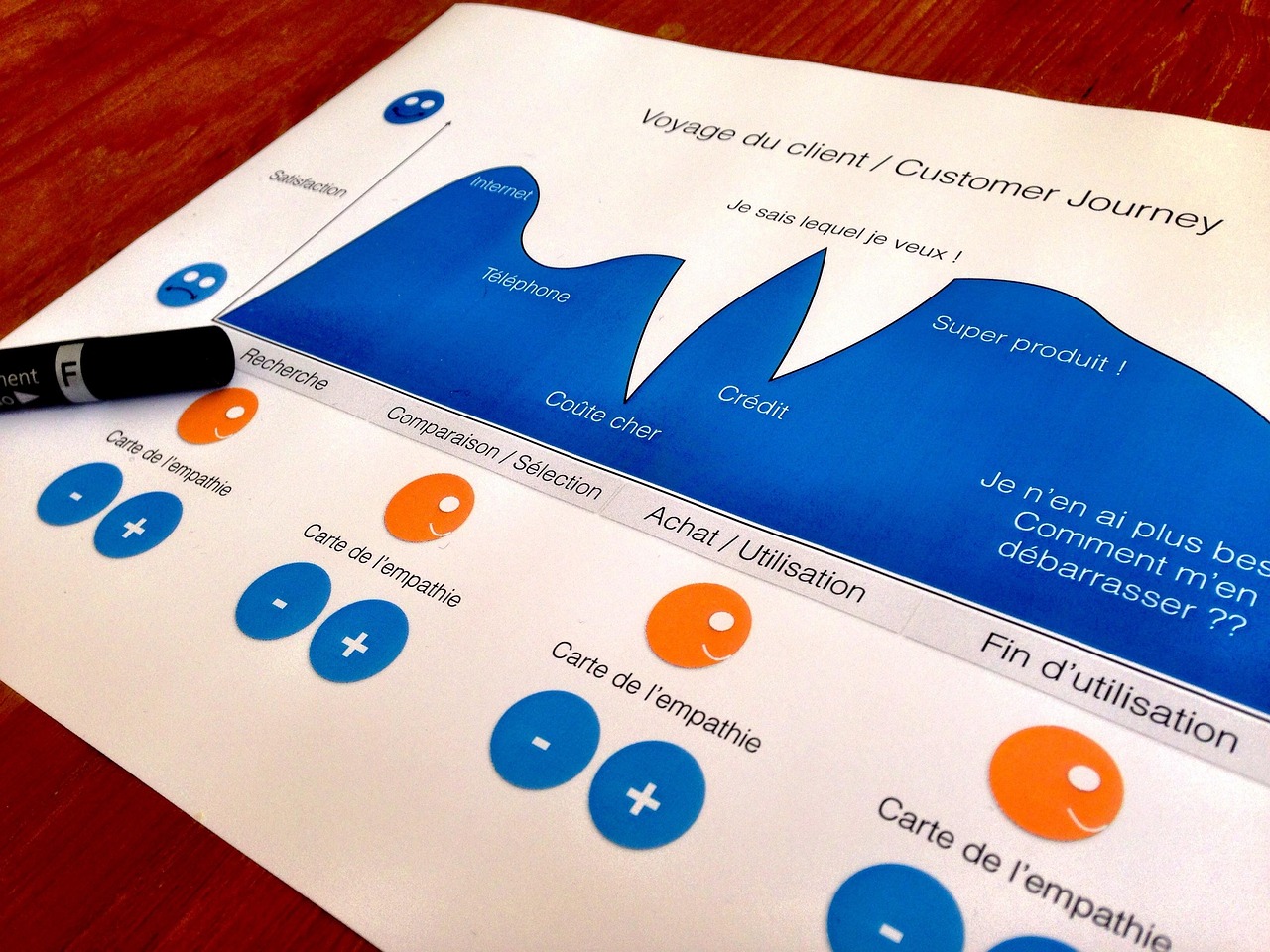

Customer Journey Mapping: Innovations in Social CRM Tools
In the evolving landscape of customer relationship management, social CRM tools have surged to the forefront. These tools are designed to enhance customer interactions, gathering and analyzing data from various social platforms. By harnessing the power of social media, businesses can understand customer preferences, behaviors, and sentiment analysis. This is essential to create personalized experiences across channels. The integration of advanced analytics allows marketers to visualize the entire customer journey. Companies can track touchpoints and transitions that often go unnoticed in traditional CRM systems. Tracking customer interactions helps identify pain points and improve service delivery, catering to customer needs effectively. Social CRM fosters collaboration between teams, breaking silos within organizations. Ensuring communication flows freely promotes better responses to customer feedback and inquiries. Innovative technologies are being adopted rapidly, including AI-driven insights that inform strategy and execution. Another notable innovation includes improving mobile functionalities to assist sales representatives on the go. Investing in these social CRM innovations is crucial for businesses striving to enhance customer engagement and loyalty.
To effectively implement social CRM strategies, organizations must first define their objectives clearly. Aligning these objectives with customer expectations involves understanding the nature of specific audiences. Furthermore, analyzing existing data helps determine which channels are most productive and effective for engagement. It is vital that businesses engage with their customers where they are most active. During this process, the creation of customer personas becomes instrumental for successful segmentation. Customer personas represent distinct groups within the target audience, detailing behaviors, goals, and pain points. By understanding these personas, organizations can tailor their messaging and marketing strategies accordingly. Personalizing engagement enhances the likelihood of a positive response and builds lasting relationships with customers. Additionally, ongoing measurement and optimization play a crucial role in social CRM. Collecting feedback allows for continuous improvement, adjusting strategies based on real-time responses. A robust feedback loop can illuminate new opportunities for interaction, driving better engagement results. Moreover, investing in training employees on social CRM practices can strengthen team collaboration, aligning them more closely with the brand’s vision and goals.
The Role of Artificial Intelligence in Social CRM
Artificial intelligence is reshaping social CRM tools profoundly, offering scalable solutions to manage customer interactions. AI algorithms analyze vast datasets, delivering insights that were previously unattainable. Machine learning specifically enhances predictive analytics, enabling companies to forecast customer behavior more accurately. Customizing content becomes easier when algorithms evaluate individual preferences and interactions. Additionally, AI-powered chatbots streamline communication, providing instant responses to customer inquiries, improving satisfaction. Implementing these chatbots reduces the need for dedicated resources while still ensuring timely, effective interaction. Furthermore, sentiment analysis tools can gauge customer emotions through their social media comments. Understanding customer sentiment helps businesses respond appropriately, enhancing brand image and reputation in the process. Enhanced automation processes within social CRM tools save time and labor on mundane tasks, freeing staff for higher-value activities. Implementation of these technologies leads to better engagement, increasing sales opportunities. From personalized product suggestions to early identification of risks that may cause churn, AI plays a critical role in maintaining customer loyalty across touchpoints. Investment in AI-driven solutions significantly enhances overall business performance.
Another significant innovation is the utilization of omnichannel strategies within social CRM tools. Modern consumers interact with brands through various platforms, and a seamless experience is expected across these channels. Companies employing omnichannel tactics ensure they engage customers consistently, regardless of how or where they communicate. This allows businesses to build stronger relationships based on trust and transparency. However, achieving such integration involves overcoming numerous challenges, including data silos and inconsistent messaging across platforms. Organizations must unify their data for a full view of customer interactions, ensuring clarity and accuracy. Utilizing centralized dashboards allows teams to visualize interactions in real-time, facilitating enhanced decision-making. This integration strategy not only enhances customer experiences but also fosters team collaboration over fragmented communications. Social media managers can leverage insights from various sources to develop cohesive strategies, driving better outcomes. Commitment to an omnichannel approach indicates a brand’s dedication to enhancing customer satisfaction, leading to loyalty and ultimately, profitability. Companies must continuously evaluate their omnichannel strategies, adapting to the rapid shifts occurring within the social landscape.
Integrating Feedback and Continuous Improvement
Continuous improvement plays a pivotal role in refining social CRM initiatives. As customer preferences shift and technology evolves, organizations must adapt their strategies accordingly. Collecting feedback consistently from customers allows for better understanding of what works and what doesn’t. Companies can implement surveys, monitor social media conversations, and analyze customer reviews to gain valuable insights. Establishing effective channels for customer feedback encourages open conversations and helps identify areas for improvement. It’s crucial that businesses respond to feedback, demonstrating a commitment to their customers. Regularly updating CRM tools leads to stronger, healthier customer relationships. This ongoing optimization of social CRM technology ensures it remains relevant while meeting customer needs effectively. Moreover, training staff in the latest features and strategies embodies a culture of continuous improvement. Employees equipped with the latest knowledge can respond swiftly to changing dynamics in customer communications. Regular Skill Building sessions and continuous learning help ensure preparedness in meeting customer demands. By integrating feedback and fostering a culture of adaptability, companies can thrive amidst ongoing changes in customer expectations.
Next, understanding the importance of data security in social CRM is essential for sustaining customer trust. With increasing data breaches and privacy concerns, businesses must prioritize security measures to protect customer data. Effective data governance involves developing a clear policy for data collection, storage, and usage. Companies should implement encryption technologies and regularly conduct security audits to prevent vulnerabilities. Furthermore, transparency is vital in communicating with customers about how their data is handled and stored. Establishing trust with consumers leads to enhanced engagement and loyalty, as customers appreciate companies’ efforts to maintain privacy. Additionally, businesses must stay informed about industry regulations and compliance requirements successful adherence can minimize legal risks. Engaging with customers about data practices prepares them for discussions about consent and ownership. When customers feel secure in knowing their information is protected, they are more likely to engage openly. Organizations also need to proactively educate employees about data security best practices, fostering a culture of responsibility. Prioritizing data security will solidify the organization’s reputation and customer relationships in the digital landscape.
Future Trends in Social CRM
Looking forward, several key trends are set to shape the future of social CRM tools and practices. Increasing integration of virtual and augmented reality experiences is becoming feasible within the realm of social interactions. This integration opens new opportunities for enhanced engagement through immersive experiences. Businesses can leverage these technologies to create memorable customer experiences, connecting them with products in unique ways. Additionally, social commerce is gaining momentum, allowing customers to purchase products directly through social media channels. Streamlining this process simplifies the customer journey, enhancing the potential for conversion. Furthermore, trends indicate a shift towards greater personalization, with increased expectations for relevant content delivery. Marketing automation tools are evolving, making it easier for businesses to engage customers with tailored messaging based on real-time data insights. Moreover, the rise of micro-influencers presents opportunities for brands to connect with niche communities authentically. Investing in these trends can help organizations stay competitive in the ever-changing landscape of social CRM. Businesses adopting innovative strategies will improve customer engagement, satisfaction, and ultimately drive growth in measurable ways.
In conclusion, the future of social CRM is being redrawn through continuous innovation and adaptation to evolving consumer preferences. Customer journey mapping when integrated with data-driven insights ensures businesses provide meaningful engagements. By prioritizing AI-driven solutions, omnichannel strategies, customer feedback integrations, and data security practices, organizations can enhance their social CRM efforts. Currently, social CRM tools are more than vehicles for managing customer relationships; they are vital assets for driving organizational success. Companies committed to improving their strategies while understanding the dynamics of customer interactions will reap the benefits of heightened loyalty. Implementing these innovations requires thorough training, constant evaluation, and unwavering dedication to the customer experience. The landscape will remain fluid; it’s crucial to remain agile and responsive to emerging trends. Ongoing development creates a culture of continuous growth, ensuring organizations can navigate complexities while meeting customer expectations. Businesses that invest in innovative social CRM practices will not only build lasting relationships but also set themselves apart in competitive markets. Navigating the complexities of managing customer journeys has never been so critical, and those who embrace this change will thrive.