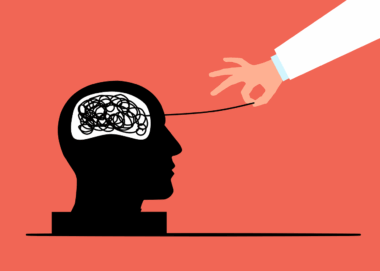

Spotlight on Social Media’s Role in Reducing Mental Health Stigma
In today’s world, social media has become a powerful tool for raising awareness about mental health. The platform allows individuals to share personal experiences, fostering understanding and empathy among users. There are various initiatives launched by influencers and organizations aimed at reducing stigma. These initiatives are often driven by hashtags that promote mental health awareness, providing a space for conversations that might otherwise remain hidden. Personal stories shared on social media can have a profound impact, helping others feel less isolated in their struggles. The community support generated through likes, shares, and comments can initiate crucial dialogues about mental wellness. Moreover, social media can also serve an educational purpose. Many companies use these platforms to inform followers about mental health resources like hotlines or local support groups. In addition, campaigns that address misconceptions around mental health can empower individuals to seek help. As we look ahead to 2024, continuing to utilize social media responsibly is vital for mental health advocacy, furthering the goal of creating a supportive environment for those affected by mental health issues.
One of the most significant benefits of social media is its ability to connect individuals who might be experiencing similar challenges. Through shared experiences on platforms such as Twitter and Instagram, users gain insight and support from others. This interconnectedness reduces the sense of isolation that often accompanies mental health struggles. Moreover, organizations can amplify their message by reaching wider audiences via social media. Creating authentic, relatable content encourages followers to engage with mental health topics. For instance, infographics or video testimonials can effectively communicate important information. The rise of mental health influencers has further normalized conversations around these issues, making it easier for their followers to seek help. Additionally, events such as World Mental Health Day are often promoted across various social media channels to maximize outreach. This brings people together in support of mental health awareness and encourages individuals to share their stories collectively. Through hashtags or live discussions, participants exchange advice and coping mechanisms, creating an invaluable support network. However, it is essential to approach these platforms with caution to ensure the dissemination of accurate information and prevent misinformation about mental health challenges.
The Influence of Social Media Campaigns
Social media campaigns are a pivotal way to address mental health stigma actively. Campaigns often incorporate compelling visuals and narratives that resonate with wider audiences. When someone shares a personal struggle, it can inspire others to do the same, creating a ripple effect of openness. Social media also facilitates discussions surrounding topics that might usually be considered taboo. These initiatives have proven useful in influencing public opinion positively. Notably, celebrity endorsements and influencers oftentimes encourage followers to seek help. Users feel more empowered when they see public figures discussing mental health candidly. Campaigns like #MentalHealthAwareness highlight the importance of understanding and supporting mental health issues. By sharing resources, experiences, and stories, people can find consolation in knowing they are not alone. Additionally, social media platforms can track engagement metrics from campaigns to measure their impact effectively. The success of a campaign can lead to increased funding and resources allocated for mental health programs. Consequently, influencing policymakers and shaping mental health initiatives at a local and national level can aid in reducing stigma for generations to come.
Another vital aspect is the responsibility that social media companies have in safeguarding users’ mental health. Platforms need to implement features that promote positive engagement and discourage harmful content. This includes creating policies to tackle bullying, harassment, or even harmful misinformation. Furthermore, they should prioritize mental health resources readily available for users who may be struggling. Integrating crisis support features or quick access to hotlines can provide timely assistance. Users may feel less hesitant to reach out for help when they know these resources are just a click away. Implementing algorithms that highlight uplifting and educational content can also promote healthier online environments. By prioritizing mental wellness, platforms can create a culture of transparency around mental health. Consequently, users will be more inclined to share their experiences and seek help without fear of judgment. In conclusion, as mental health awareness grows on social media, valuing user well-being must also increase. By collaborating with mental health professionals, social media platforms can develop practical strategies to enhance user experience and promote healthy engagement.
Future Trends in Mental Health Awareness
As we move forward into 2024, several trends are emerging in the realm of social media and mental health awareness. Firstly, the rise of mental health applications demonstrates a growing recognition of the need for supportive resources. These apps often provide valuable tools for coping and tracking mental health progress. Furthermore, integrating these applications with social media platforms can create expansive support networks. Popular platforms are enhancing their focus on user mental health features. It includes options for mindfulness practices, therapy resources, and professional recommendations. Additionally, initiatives that celebrate mental health successes are becoming increasingly popular. Social media challenges that advocate positivity and self-care can empower individuals to prioritize their mental wellness. Moreover, virtual support groups have emerged, fostering communities that can discuss mental health openly and without stigma. Social media might continue shaping the dialogue around mental health, pushing boundaries and encouraging conversation throughout 2024. These trends illustrate a collective movement toward understanding, acceptance, and proactive support for those facing mental health issues. It is essential that as this growth continues, so does the commitment to accurate information and resources.
The impact of social media on mental health awareness can be profound. For instance, specific trends highlight the role of creative expression in improving mental health. Art, meme culture, and storytelling allow individuals to articulate their feelings inventively and engagingly. Not only does this foster community interaction, but it also enables therapeutic sharing. Encouraging users to express themselves creatively can lead to breakthroughs in personal struggles. In addition, partnerships between organizations and influencers are crucial in promoting mental health messaging effectively. Collaborations can result in campaigns having a greater reach and impact. The emphasis on visual content—like videos or stories—also plays a crucial role in engaging users. This shift towards more dynamic content is essential for capturing attention and facilitating meaningful conversations. Workshops or online events conducted by experts can utilize social media platforms to impart knowledge. These events often equip individuals with practical skills to handle their mental well-being. Such initiatives demonstrate that social media can be a positive force in enabling people to discuss mental health openly and comfortably, paving the way for future discussions on the topic to flourish.
Conclusion: Embracing Social Media as a Supportive Tool
As social media continues evolving, so does the potential for it to serve as a supportive tool for mental health awareness. Recognizing the importance of collective responsibility among users is crucial. Everyone must understand the influence of their voice online. Thus, actively participating in fostering supportive interactions can minimize stigma. Encouraging individuals to show empathy and share resources beneficial for mental wellness will contribute positively towards shaping the online landscape. The challenges remain; misinformation and stigma still inhabit these spaces. Combating harmful narratives should be a priority for both individuals and platforms alike. Empowering users with knowledge and encouraging critical thinking about mental health will foster a healthier community. Moreover, organizations must continue investing in campaigns that resonate and encourage openness. By ensuring that campaigns utilize diverse voices and authentic stories, more individuals can find a sense of belonging. Ultimately, combining efforts among social media platforms, users, and advocates will propel mental health forward into the mainstream narrative. Aiming for a society where mental health discussions are normalized is vital in creating supportive communities, benefiting everyone.
In the coming years, the role of social media in shaping mental health narratives will only increase, making it imperative that we remain vigilant and proactive. Continuous research on mental health’s portrayal in digital spaces is necessary for understanding evolving trends. Establishing guidelines for responsible content creation can help mitigate misinformation and foster transparency. Utilizing analytics to track user sentiment can provide valuable insights, allowing organizations to adapt their strategies accordingly. More awareness about the importance of mental health, particularly among younger generations, is paramount. Schools should collaborate with social media platforms to promote healthy engagement and discussions around mental health topics. By utilizing educational content and campaigns in schools, we can empower youth to press for mental well-being actively. This collaboration might form a foundation for supportive environments at school and within online communities. As more individuals share their thoughtful stories, social media can become a catalyst for change. While challenges still loom, the potential to transform stigmas surrounding mental health exists through collaboration in online spaces. Together, we can navigate these trends and create a place where mental health resilience is championed and normalized.