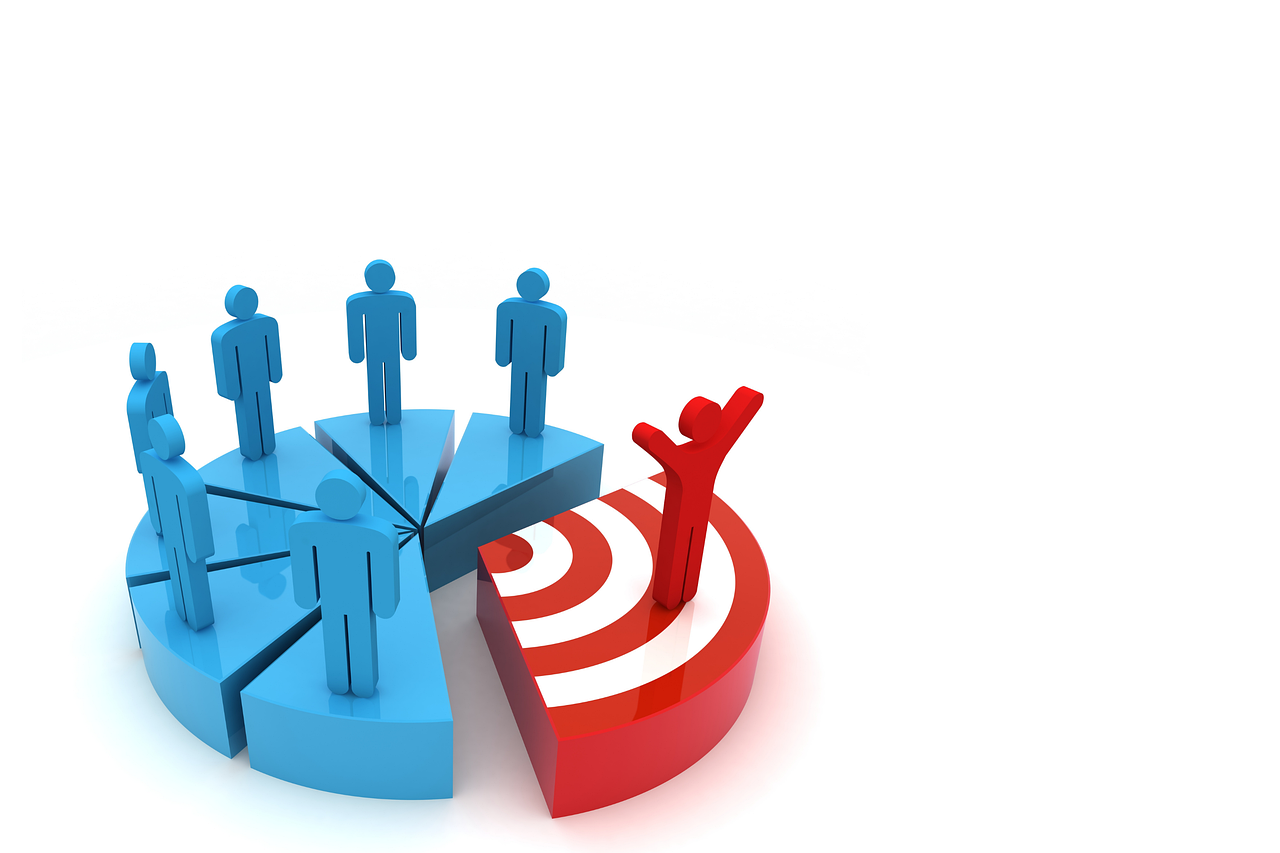

Top Strategies for Targeting the Right Audience on Facebook
To effectively reach your desired audience on Facebook, implementing precise targeting strategies is essential. First, utilize Facebook’s powerful Audience Insights tool to gather valuable data on your audience. This tool provides insights into demographics, interests, and behaviors, allowing you to tailor your ad campaigns more effectively. Next, consider leveraging Custom Audiences, which enables you to target users who have previously interacted with your business. By re-engaging this audience, you can improve conversion rates significantly. Additionally, utilizing Lookalike Audiences can help you find new customers who share characteristics with your best existing customers. This strategy can exponentially increase your reach by tapping into segments of the audience that are more likely to convert. Pay attention to the types of content your audience engages with, as this can guide your advertising approach. Furthermore, regular testing and optimization of your ad campaigns based on performance data are crucial to improving targeting effectiveness. Always analyze the results and adjust your strategies accordingly to ensure that your advertising investments yield the best possible return on ad spend (ROAS).
Another effective strategy is to create segmented ad campaigns based on user behavior and interests. By dividing your audience into specific categories, you can deliver tailored messages that resonate with each group. For instance, if you sell fitness products, segment your audience into beginners, intermediates, and advanced users, ensuring that each group receives relevant ads that speak directly to their needs. Moreover, consider implementing retargeting campaigns aimed at users who previously visited your website but did not make a purchase. This strategy is effective in reminding them about products they showed interest in, increasing the likelihood of conversion. Additionally, analyze your Facebook page insights to determine when your audience is most active and engaging with your content. Posting your ads and content during these peak interaction times can lead to better visibility and engagement rates. Take advantage of Facebook’s various ad formats, such as carousel ads or video ads, which can capture attention and increase audience interaction. Lastly, remember to explore the detailed targeting options Facebook provides, such as job titles, education, and life events, to refine your audience even further.
Utilize Data-Driven Marketing Techniques
Product and audience data should drive your Facebook marketing strategies as they provide invaluable insights. Utilizing data-driven techniques can help you refine your audience segmentation efforts on the platform. Start by closely monitoring performance metrics from your campaigns and adjust your strategies based on the data received. For example, if you notice that a specific demographic is responding favorably to your ads, dedicate more budget to targeting that group. It’s also beneficial to continuously perform A/B testing on different ad creatives and messaging to identify which resonates best with your audience. Collect user feedback and preferences through surveys or interactive polls on Facebook to refine your understanding further. Another strategy is to leverage Facebook Pixel, a powerful tool that helps track user actions on your website. This tracking helps in measuring conversions from Facebook ads and provides deeper insights for precise targeting. Make sure to utilize this data to create personalized and effective ad campaigns that appeal to different segments in your audience.
Moreover, understanding the importance of ad relevance is critical. Facebook prioritizes showing users ads that are more relevant to their interests, and this can significantly affect your ad performance. Therefore, crafting compelling ad copy and visuals that capture attention is essential for increasing engagement. Use strong calls to action (CTAs) to guide users towards the desired action, whether it’s clicking through to a product page or signing up for a newsletter. Continuously optimize your ads based on engagement metrics; for instance, if an ad underperforms, consider revising the ad copy, targeting settings, or visuals. Furthermore, staying updated on Facebook’s migrating algorithms and advertising policies is crucial for maintaining effective audience targeting strategies. The digital landscape is constantly evolving, and so should your approach to Facebook marketing. As you adjust your strategies, ensure that they are compliant with the current advertising guidelines to maintain a positive brand image and avoid ad rejections. Regularly updating your knowledge about platform changes will keep your campaigns relevant and competitive.
Interact with Your Audience
Engagement is at the heart of Facebook marketing, and building relationships with your audience can significantly enhance targeting efforts. Responding to comments, messages, and reviews highlights your brand’s commitment to customer service and fosters loyalty. Encourage audience interaction by posting engaging content, such as polls, quizzes, or user-generated content. These interactive elements not only capture attention but also provide insights into audience preferences. Use Facebook Live or Stories to connect with your audience in real-time, showcasing products or sharing behind-the-scenes content. This approach humanizes your brand and helps establish a stronger emotional connection with your audience. Additionally, create a community around your brand by investing time in Facebook Groups where your ideal clients are active. Adding value through comments and interactions can lead to attracting more targeted audience members to your page. Regularly share helpful tips, resources, or exclusive offers in these groups to encourage discussion and engagement. Ultimately, the more you connect with your audience, the better you’ll understand their interests and preferences, allowing you to tailor your targeting strategies effectively.
Utilizing Facebook Ads Manager is an essential component of efficiently managing your ad campaigns. This powerful tool simplifies the process of monitoring ad performance and allows for seamless adjustments based on real-time data. Familiarizing yourself with its features enables you to create and manage multiple ad sets effectively. When setting up your ad campaigns, pay close attention to selecting the right objectives—be it brand awareness, traffic, or conversions—as this will influence Facebook’s algorithmic targeting on your behalf. Furthermore, regularly analyzing key performance indicators (KPIs) such as click-through rates, conversion rates, and engagement metrics will help you evaluate the success of your campaigns. Based on this analysis, run periodic audits on your advertising strategies to pinpoint missed opportunities or areas for improvement. Allocating resources toward campaigns yielding the best results ensures maximum return on your investment. Don’t forget the importance of aligning your messaging with your audience’s needs and preferences, as doing so enhances ad relevance and engagement. Lastly, keeping track of competitors’ strategies can provide insights and inspiration for refining your targeting approach.
Embrace Continuous Learning
Finally, staying ahead in Facebook targeting strategies requires a commitment to continuous learning and adaptation. The digital marketing landscape is ever-changing, and being receptive to new trends, tools, and techniques is vital. Subscribing to industry blogs, webinars, and Facebook-focused marketing courses broadens your knowledge base and provides fresh perspectives on audience targeting. In addition, joining online forums and communities will allow you to share experiences with other marketing professionals. Engaging with peers encourages knowledge exchange and can help you keep abreast of best practices in audience segmentation. Experimenting with novel strategies in your campaigns is crucial; such risks can lead to discovering successful formulas that work for your audience. Moreover, always stay updated with changes in Facebook’s advertising platform, as new features are frequently introduced. Attending conferences and networking with industry experts can also provide insights into emerging trends. Adopting an agile mindset means you’re prepared to pivot your strategies based on feedback and data. Ultimately, committing to lifelong learning will position your business at the forefront of effective Facebook targeting strategies.
In conclusion, targeting and audience segmentation on Facebook necessitate a comprehensive approach that combines various strategies. By understanding and utilizing the multitude of tools and features Facebook offers, you can effectively reach and engage your desired audience. Data-driven marketing, audience interaction, and continuous learning are key components of successful campaigns. Remember that each audience segment is unique, and personalization will significantly enhance the efficacy of your marketing efforts. Establish clear campaign goals, continuously analyze performance metrics, and remain flexible enough to adapt to changes in engagement patterns. Lastly, invest time in understanding your audience’s preferences and behaviors to create campaigns that resonate. Combining these strategies will result in meaningful connections with your audience, fostering higher conversion rates and brand loyalty.