
Influence of Mobile Social Media on Real-Life Social Interactions
Mobile social media has dramatically altered how individuals engage with one another in their everyday lives. The easy access to platforms such as Facebook, Twitter, and Instagram through mobile devices encourages constant connectivity. This connectivity influences both personal conversations and broader social interactions. Users often share their experiences, thoughts, and feelings online, which can affect their offline relationships significantly. Real-time updates allow friends and family to stay informed about each other’s lives but also pose challenges, such as the potential for misunderstandings. As users curate their online personas, these representations can create unrealistic expectations in real-world relationships. Moreover, social media can intensify feelings of loneliness, even while users are hyper-connected. It is essential to recognize that while mobile social media serves as a tool for connection, it can lead to an emotional disconnect from face-to-face interactions. Aspects like the pressure to portray the ideal life can impact self-esteem and the authenticity of relationships. Understanding these dynamics requires examining how daily social interactions are transforming due to the pervasive influence of mobile social media in our society.
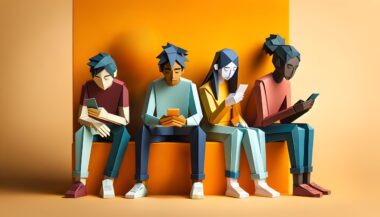
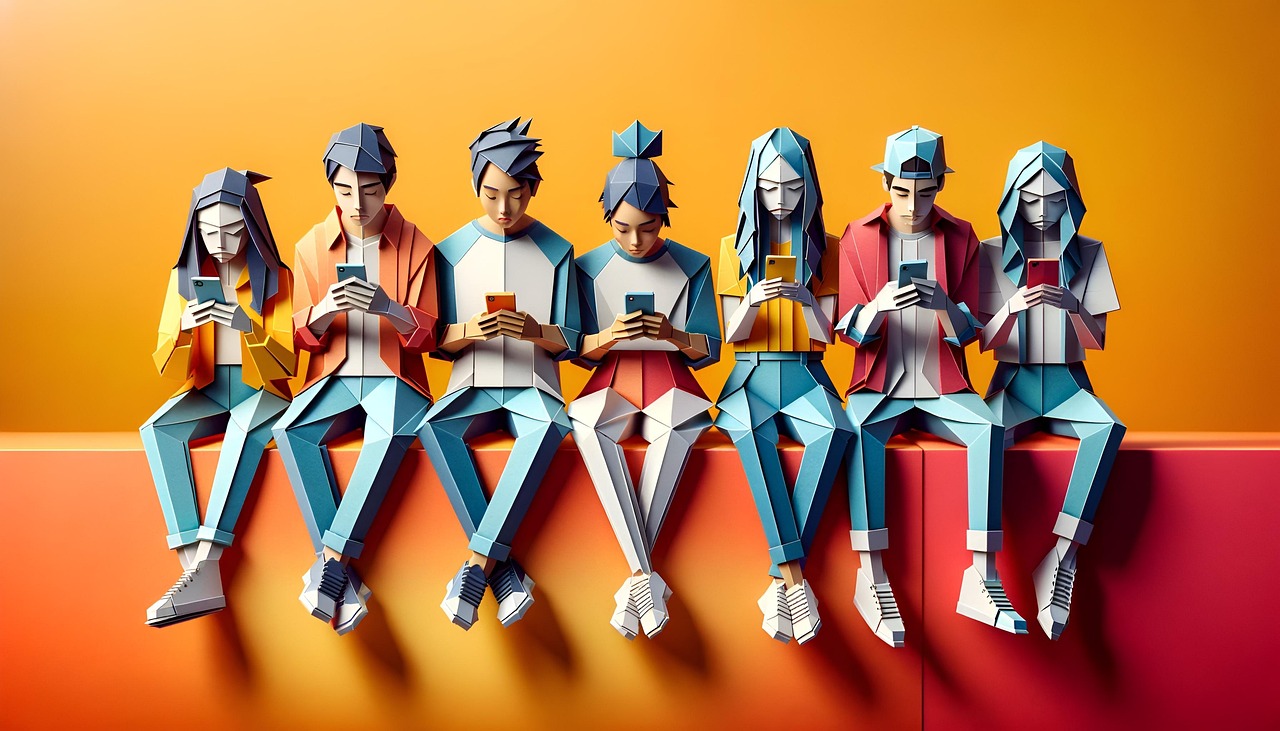
The over-reliance on mobile social media has altered traditional communication patterns, leading to an increased preference for digital interactions over face-to-face conversations. Many individuals find comfort in texting or sending a message instead of having an open discussion in person. This preference may create barriers to developing deep, meaningful relationships. It can also lead to a phenomenon called “phubbing,” where one person ignores another in favor of engaging with their mobile device. This behavior can be damaging to the emotional bonds that form the foundation of any relationship. Social media interactions can lack the nuance and emotional intelligence of direct conversations, fostering misunderstandings and conflicts. Furthermore, as friends choose social media for communication, they may miss out on non-verbal cues vital for healthy interactions. According to research, people often feel closer to those they regularly interact with online, but this illusion can fade once they meet up. The need to balance online and offline interactions is essential for fostering fulfilling personal relationships while using mobile technology effectively.
The Impact on Personal Relationships
Mobile social media has distinct implications for personal relationships, from friendships to romantic partnerships. Couples frequently utilize these platforms to share experiences, express affection, and even resolve conflicts. However, the pressure to maintain a public image on social media can introduce stress into relationships. Some individuals might feel that their partners are more invested in online interactions rather than in their real-life commitments. Moreover, jealousy and insecurities can arise from seeing partners interact with others on social media. In romantic relationships, clear communication about boundaries and expectations regarding social media use is crucial. The comparison to others’ relationships showcased on social media can lead to dissatisfaction and misperceptions. Friends also face challenges, as competitive tendencies can surface, causing rifts. It’s essential to create a healthy balance while encouraging open dialogue about how social media influences relationships. Striving for transparency in communications about social media can enhance trust. Promoting discussions around expectations can help mitigate misunderstandings, ensuring mobile social interactions positively contribute to real-life bonding.
Another compelling effect of mobile social media is its role in fostering communities and support systems. Groups on platforms such as Facebook and Reddit provide individuals with spaces to share their experiences and challenges, creating a sense of belonging. Especially during times of crisis or social unrest, mobile social media can amplify voices and facilitate action. These communities allow users to connect with others who share similar interests or struggles regardless of geographical boundaries. While establishing these connections, users may often find more understanding and support compared to their immediate physical environment. This aspect can be particularly advantageous for marginalized individuals who may feel isolated offline. Yet, there is a duality to this phenomenon; online support can sometimes lack the depth of real-life interactions. Emotional expressions can be misunderstood or poorly received in digital forums, leading to feelings of disconnection. Therefore, it’s critical for users to complement their online support structures with in-person connections. Recognizing the importance of engaging both virtually and physically fosters a holistic approach to personal well-being and fulfillment.
The Role of Social Media in Group Dynamics
Mobile social media plays a significant role in shaping group dynamics, influencing how communities interact and form. This influence can be observed in various settings, including workplaces, friend groups, and even social movements. Online platforms enable individuals to mobilize quickly around shared beliefs and objectives, making group activities more agile and widespread. However, rapid communication can complicate decision-making processes and lead to conflicts due to diverse opinions being voiced publicly. Within workplaces, team dynamics can shift, as employees might communicate less directly and rely more on digital interactions. This reliance can inhibit honest communication and hinder team cohesion. Additionally, while social media allows for the discovery of like-minded individuals, it can also create echo chambers that reinforce existing beliefs without healthy debate. These dynamics can manifest in groups discussing shared goals and values but can lead to increased polarization within broader communities. To cultivate a more constructive group environment, it is essential for members to adopt effective communication strategies that involve recognizing and respecting differing viewpoints while promoting inclusivity.
The distinction between online and offline identities plays a crucial role in understanding mobile social media’s influence. Many users curate their online personas, highlighting only specific aspects of their lives, often presenting an idealized version of themselves. This curation can lead to envy, unrealistic expectations, and a distorted perception of what normal life entails. When users meet in person, they may feel pressure to perform or match those online expectations, which can spiral into anxiety and self-doubt. It’s important for individuals to recognize this distinction between their digital and physical selves, fostering authentic connections. Engaging with individuals in person can help bridge the gap between perceived online identities and real experiences. Encouraging openness regarding online representations and the realities behind them can pave the way for genuine interactions. Practicing self-compassion and acceptance in both online and offline realms promotes healthier engagement with social media. Establishing support within communities can nourish discussions about self-presentation online, ensuring individuals feel valued for who they genuinely are rather than just online personas.
Strategies to Balance Online and Offline Interactions
To cultivate a balanced approach to mobile social media use, individuals must adopt specific strategies that prioritize both online and offline interactions. One practical approach is to establish boundaries for social media usage, such as setting designated times for checking notifications. Reducing screen time can help prevent overwhelm and foster more meaningful face-to-face conversations. Engaging in group activities such as clubs or volunteering can also provide opportunities for strengthening social bonds beyond the screen. It’s beneficial to practice mindful communication, which involves being present and focused during in-person interactions. Additionally, creating family or friends’ rituals can promote collective experiences that emphasize connecting without distractions. Users should also actively manage their online presence by being intentional about the content they share. Encouraging openness and authenticity can help create an environment where everyone feels they can express themselves honestly. As individuals integrate these strategies, they will likely find a higher quality of relationships in both their offline and online worlds, leading to a more fulfilling social experience overall.
In conclusion, the influence of mobile social media on real-life social interactions is increasingly profound and multifaceted. As individuals navigate this digital landscape, they must become aware of how social media shapes their relationships and communities. While platforms can serve as tools for genuine connection and support, users need to balance these interactions with engaging in real-life relationships. The importance of communicating openly about social media’s role in personal and professional settings cannot be overstated. Furthermore, recognizing the significance of authenticity in both online and offline identities will foster deeper connections. Applying strategies that promote mindful social media use, coupled with a focus on strengthening real-life interactions, will contribute to healthier relationships. By being proactive in managing the dynamics of mobile social media, individuals can harness its benefits while offsetting potential downsides. Ultimately, navigating the interplay between digital and traditional communication is crucial. Embracing this balance will lead to improved emotional well-being, social fulfillment, and a more cohesive community engagement. As society evolves alongside technology, understanding these interactions will remain essential.