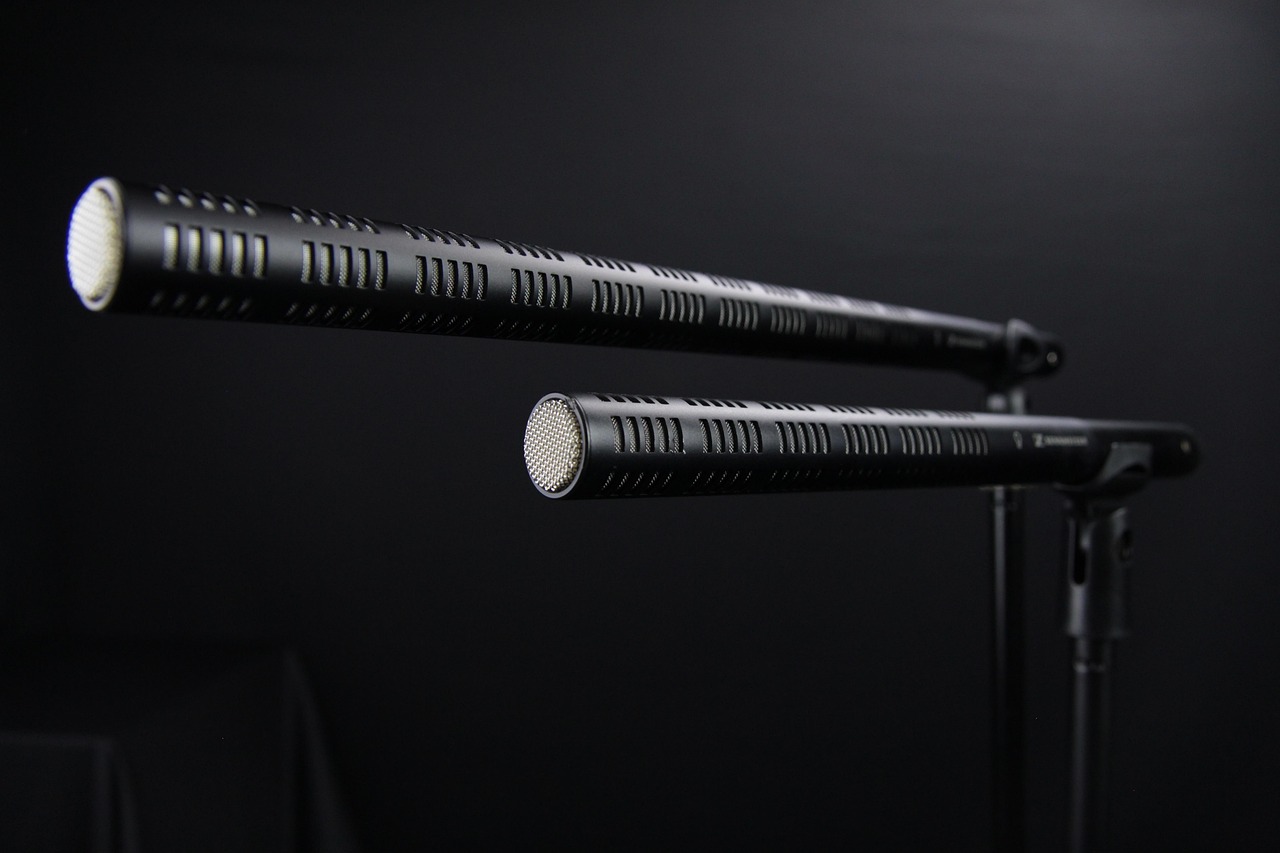

How to Use Shotgun Microphones for Outdoor YouTube Filming
When filming YouTube content outdoors, audio quality is vital. Using a shotgun microphone can dramatically enhance this aspect. Its design focuses on capturing sound from a specific direction, ensuring that ambient noise is minimized. This makes it an excellent choice for outdoor environments where unpredictable sounds often intrude. Professionals usually recommend this type of microphone for interviews, vlogs, or any video where clarity is important. By selecting an appropriate shotgun microphone, you avail yourself of enhanced audio capabilities. Before filming, always test your equipment extensively to ensure everything functions correctly. Consider windshields to reduce wind noise if filming in breezy regions. They are critical in preserving the quality of your captured audio. Once you set up your microphone, monitor sound levels constantly through headphones. Then, you can make immediate adjustments, ensuring the best audio quality possible. Furthermore, familiarize yourself with your microphone’s pickup patterns and sensitivity settings. This knowledge will help you adapt your approach based on various filming conditions. Perfecting the setup beforehand can save you a lot of post-production headaches. Aim to film at golden hours for optimal lighting and sound conditions.
Indeed, selecting the right location can mitigate audio issues significantly. When choosing your filming location, consider factors such as background noise and distractions. Quiet areas typically yield better audio quality than busy segments. Additionally, it’s often advantageous to scout locations beforehand. Bring along your microphone to conduct sound checks and listen for potential interference. Avoid areas with heavy traffic or loud public events for a smooth filming experience. Utilize natural sound barriers, such as hills or walls, to help reduce unwanted noises. When placing the microphone, mount it on a boom pole or similar device for optimal positioning. This ensures you capture the desired audio without being too close to any noise sources. Always ensure you’re adequately prepared for variable weather conditions when filming outdoors. Rain or extreme sun can hinder your audio and video quality, which is where protective gear for your equipment becomes essential. You might even want to invest in a waterproof housing for your microphone. If you’re filming near water, this setup can help prevent damage while maintaining high-quality audio. In essence, proper planning cannot be overstated when it comes to outdoor filming. Remember, audio quality is as crucial as visual quality.
Types of Shotgun Microphones
There are various shotgun microphones available tailored to meet different filming needs. Understanding the types is essential for effective use during outdoor filming. Popular choices include condenser and dynamic shotgun microphones. Condenser models are sensitive and ideal for capturing intricate sounds, making them suitable for interviews. On the other hand, dynamic shotgun microphones offer durability and can handle louder sounds, making them perfect for action-packed outdoor scenes. It’s crucial to match your microphone selection with your filming environment. Furthermore, directional microphones often come with different polar patterns, such as supercardioid and hypercardioid. These patterns determine the microphone’s sensitivity to sound from various directions. For most outdoor shooting conditions, a supercardioid pattern is ideal, as it effectively minimizes side noise while accepting sound directly from the front. Hypercardioid microphones excel in specific setups, particularly in controlled environments or interviews. It’s worth testing these microphones before your shooting schedule, allowing you to identify what works best for your specific situation. Consider the total weight and size of your microphone as well; portability matters greatly in outdoor filming scenarios.
Another critical aspect of filming with shotgun microphones is their mount and connection type. Many outdoor filmmakers prefer using shock mounts, as they help to isolate the microphone from vibrations. This can be particularly useful when filming in dynamic environments or when using handheld setups. Utilizing a quality shock mount ensures you capture clean audio without handling noise. Also, you’ll want to pay attention to the connector types, as XLR connectors are common in professional setups due to their balance over long distances. However, some shooters prefer 3.5mm connectors for simpler, less encumbered connections. Whichever type you choose, ensure compatibility with your recording device. Additionally, consider the length of the cable; the longer it is, the more susceptible it becomes to interference. Therefore, using high-quality cables can minimize noise. When on location, carry extra cables and adapters to address unexpected issues. Planning for such contingencies ensures that you won’t miss out on valuable film moments due to minor inconveniences. Furthermore, always inspect your gear before heading out on shoots to avoid unpleasant surprises during filming.
Post-Production Considerations
Even with excellent equipment and setup, post-production can significantly affect audio quality. Review your audio tracks carefully once filming is complete. Utilize editing software to enhance, remove noise, and fine-tune your sounds. Tools like equalization can help enhance vocal clarity while diminishing background tones. Rely on noise reduction plugins or software to eliminate distracting ambient sounds that appear in your recordings. It’s essential to carefully balance audio levels to avoid audio peaking. Monitor level meters to maintain consistent audio throughout your video. Incorporating ambiance sounds into your production can fill silent gaps, creating a more immersive experience. Be mindful not to overpower the primary audio when adding background sounds; balance is key. Furthermore, if possible, capture B-roll footage with additional audio tracks for environmental sounds to enrich the sensory experience. When mixing your final cut, ensure all audio elements harmonize well together. Ultimately, the quality of your outdoor video can hinge on these smaller details. Investing time into the audio post-production process is as vital as preparing your content beforehand.
The importance of practice in utilizing shotgun microphones cannot be overstated. Considering every filming scenario can present unique challenges, developing your skills will help you adapt. Make ample use of your microphone in varied environments to hone your technique. Not all outdoor settings are the same, and skills learned in one location may not readily apply to another. Try workshops or online tutorials focused on microphone techniques and sound capturing for additional learning opportunities. Networking with other content creators can also yield valuable insights into various approaches and setup ideas. Feedback from peers can enhance your understanding and improve your filming outcomes. Continually seek to learn and adapt to new technologies as audio equipment evolves rapidly. New software and audio processing capabilities introduce more creative avenues and methods for filmmakers to explore. Also, consider reviewing your past work critically; this helps identify audio issues that might not have been apparent during production. Ultimately, the journey to mastering shotgun microphones and general audio quality takes time and patience. As you grow more comfortable, you’ll notice the improvement in the audio quality of your YouTube content significantly.
Conclusion
In conclusion, effectively using shotgun microphones for outdoor YouTube filming is essential. Understanding your equipment, location, and potential challenges can significantly improve your audio quality. Prioritize planning and testing in diverse environments to enhance your skills and adaptability. Additionally, invest in quality equipment that meets your specific needs while allowing for flexibility during shoots. Selecting the right microphone type, setup, and post-production techniques are vital components of successful outdoor filming. With continued practice, experience, and engagement with fellow YouTube creators, you will develop a keen sense of what works best in each unique situation you encounter. Remember that exceptional audio quality reinforces your visuals, allowing your content to resonate with viewers more profoundly. The efforts put into mastering microphone usage will enhance not only individual projects but your overall filming journey as well. Continually push yourself to grow and adapt. The journey of learning is as important as the rewards gained from creating compelling content. So, embrace these techniques, experiment, and share your findings with your audience. With time, your efforts will surely pay off in the form of audience engagement and appreciation.
You can use these tips to level up your outdoor YouTube filming game. Good luck, and happy filming!