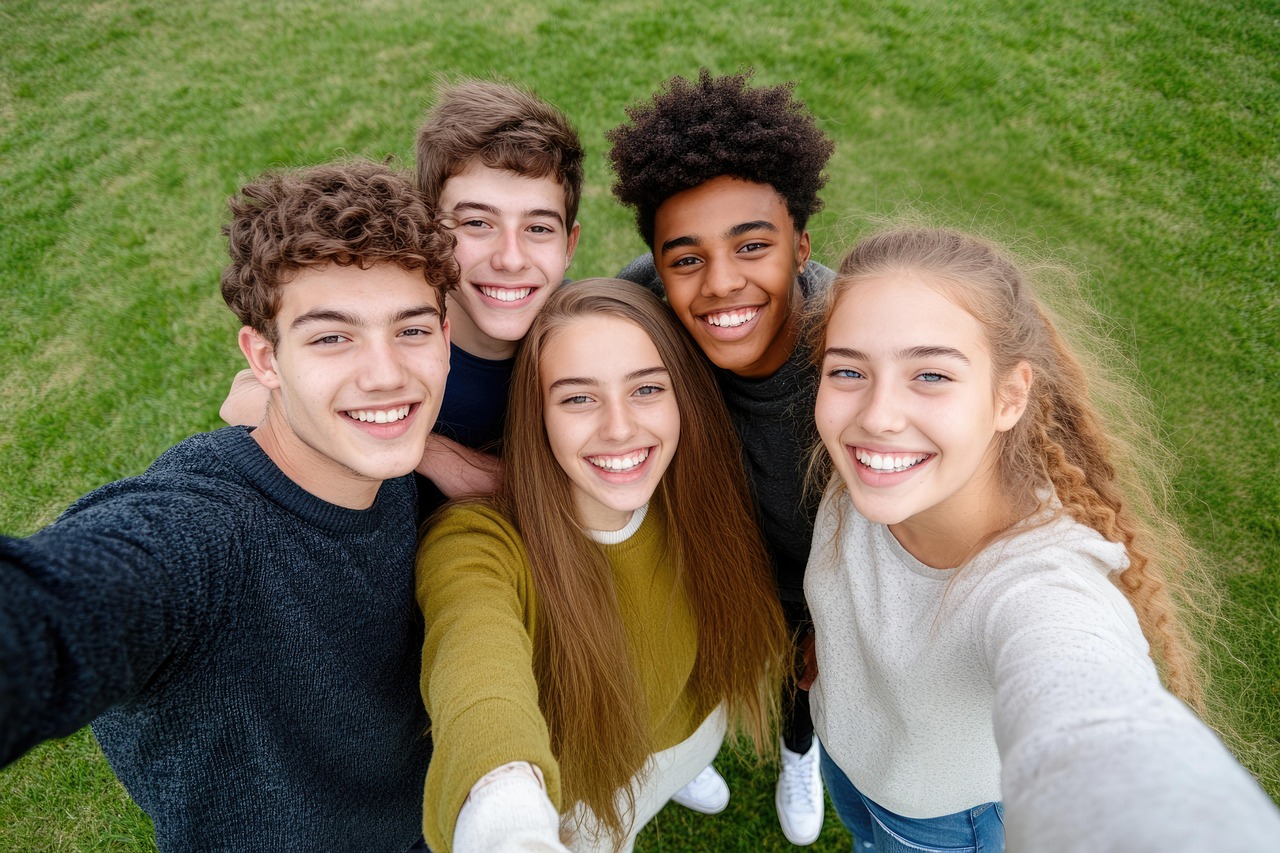

Best Practices for Tagging in Group Photos
In the landscape of social media, proper etiquette when tagging individuals in group photos is crucial yet often overlooked. When sharing a memorable group moment, always consider how your tags might affect others. Tagging should foster inclusivity and recognition, allowing everyone to enjoy the visibility rather than creating discomfort. Respect privacy; not everyone may wish to be publicly identified in a photo. If in doubt, seek their consent prior to tagging. To ensure a positive experience for all parties involved, here are some practices to adopt. First, ask yourself if the person is comfortable being identified. Secondly, give proper credits when posting, as this shows respect and acknowledges companions. Lastly, think about your audience. If a certain tag could cause embarrassment or negatively impact someone’s reputation, it is best to refrain. Always remember, social media is a shared space, and being mindful of how tagging affects those around you contributes significantly to a respectful online environment. Building awareness towards responsible tagging can enhance your social media interactions and strengthen relationships with your peers.
Another key aspect of tagging in group photos is timing. Posting immediately may not give individuals enough time to approve the content. Take a moment to navigate the situation by ensuring everyone has reviewed the photo or mentioning it directly. Timing your tags after discussing with the group also enhances the shared experience. Additionally, consider the context of the group photo. Was it a casual get-together, or a professional networking event? This context can influence whether tagging is appropriate. Consent is especially important in professional settings where individuals might not want their association publicized. Social dynamics also play a crucial role; think about group relationships and dynamics to avoid awkward situations. When tagging, think about the relevance of each individual to the photo. Oversaturation of tags can distract from the main message or theme. Be selective and tag only those who are pertinent to the content being shared. This approach not only shows respect but also keeps social media spaces more organized and pertinent for all your followers.
Considerations for Different Platforms
When it comes to tagging in group photos, different social media platforms come with unique etiquettes. For example, Facebook allows tagging every person in a photo, but that doesn’t mean it’s always advisable. Instagram, being a photo-centric platform, places emphasis on visuals rather than tags. A user might choose to engage with tags more subtly by mentioning friends in captions instead. Keep in mind that not all platforms function similarly; therefore, awareness of the platform’s mechanics is crucial. Always review privacy settings and be mindful of shared content across different networks. On platforms like Twitter, where space is limited, tagging might focus more on engagement rather than identification. Thoughtfully choose how and when you tag; even within group photos, a photo dump can overwhelm viewers. Understanding platform-specific etiquettes allows you to tag more effectively while maximizing engagement. At the end of the day, your objective should be to create a positive tagging culture that fosters mutual respect among friends and followers while enjoying social media.
When tagging others in group photos, consider the emotional impact those tags may have. Public interactions on social media can elicit various reactions, from joy and pride to embarrassment and discomfort. Being sensitive to group dynamics is key. Some individuals may have self-image issues; thus, tagging without thought may inadvertently put them in the spotlight or lead to negative feelings. One way to combat this is by tagging thoughtfully and with care. Consider sharing tags only when a photo captures a universally enjoyable moment. Additionally, take note of the type of photos shared and tagged. Silly or candid moments may not be suitable for everyone; ensuring those being tagged are comfortable is the best practice. Encourage conversations within your group regarding preferences and comfort zones associated with tagging. Asking for input allows members to express their feelings openly, reinforcing trust within the group. This approach not only makes tagging more mindful but also strengthens connections, promoting a healthy social media atmosphere while respecting boundaries.
The Lift of Community Etiquette
Following social media etiquette while tagging others encourages a civilized community experience. Recognize that your actions can shape the online environment for everyone involved. Using social media is not just about personal enjoyment but also about maintaining harmony within user communities. Each tag serves as a digital footprint affecting not only you but others as well. Thus, tagging should be done with consideration of collective feelings. Look toward fostering positive interaction while preventing frivolous or negative consequences stemming from the tags. Engage directly with friends and acquaintances about how they feel regarding tagging personal photos. This can spark meaningful discussions and possibly lead to better understanding. Additionally, by acknowledging and accepting each person’s feelings within your circles, you establish an environment rooted in care and respect. The impact of tagging in group photos can transcend individual moments and contribute significantly to the overall atmosphere of your social media circles. Building a culture of mindfulness during tagging will reflect positively not only on your profile but also promote a warmer, more accepting community online.
Lastly, always remap your own tagging practices. Self-awareness within social media etiquette allows you to recognize patterns that may not be working well. Reflect on past interactions and feedback from peers about your tagging approach. If certain tags have caused discomfort, learn from these situations to improve your future interactions. Engage openly with friends about their tagging preferences, creating a dialogue that nurtures understanding and also emphasizes boundaries. Strive to balance fun and responsibility while tagging—this will help you connect more effectively with your audience. As a proactive measure, consider turning off tagging permissions for yourself if you prefer to maintain control over your online presence. Ultimately, a respectful approach will not just serve your friendships well but will also improve the experience for everyone within your social circles. Social media should be a platform for positive engagement, where individuals can express themselves confidently and joyfully, free from awkward moments or misunderstandings. Keep these principles in mind, and you will enhance both your tags and the overall connections fostered on social media.
Conclusion
In conclusion, mastering the art of tagging in group photos requires mindfulness, consent, and awareness of social dynamics. It serves as an essential practice to create a positive experience for everyone involved. Whether you’re posting on Facebook, Instagram, or any other platform, being respectful while tagging can lead to a vibrant social media community. Remember to ask for consent, provide context, and understand the emotional weight behind tags. By engaging in open discussions with your peers about tagging etiquette, you foster a culture that values individual preferences and promotes comfort. Prioritize the group atmosphere and ensure that the joy of sharing photos doesn’t overshadow the feelings of others. Lastly, reflect on your tagging habits and seek actively to improve them. Recognize the significance of your actions and how they shape the social media experiences of those around you. By committing to a careful approach, you guarantee that the moments captured in your group photos reflect positivity and mutual respect. Elevating your tagging practices can significantly enrich the dynamics of your online relationships and enhance the overall quality of social media engagement.
This is another paragraph with exactly 190 words…