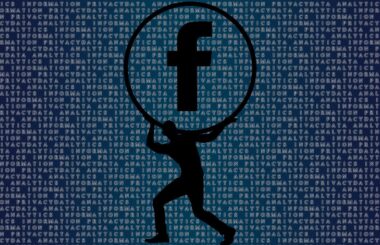

Exploring Privacy-Enhancing Technologies in AI Social Media Applications
As artificial intelligence continues to revolutionize social media, data privacy concerns have emerged as a significant issue. With millions of users generating immense amounts of data, social media platforms are pivotal in leveraging this information for targeted advertising and personalization. However, this practice raises serious ethical and legal questions regarding user consent and data protection. Privacy-enhancing technologies (PETs) offer promising solutions to address these concerns, helping to safeguard user data while still providing the benefits of AI-driven applications. Implementing such technologies can contribute to a more transparent and secure online environment.
The importance of data privacy in social media cannot be overstated. Users often unknowingly share sensitive information, which is then exploited by third-party companies for financial gain. Social media companies face increasing pressure from regulators to comply with data protection laws such as the GDPR and CCPA. As a response, many platforms have started to adopt privacy-enhancing technologies designed to anonymize user data. These technologies utilize encryption, differential privacy, and federated learning to ensure that user information remains confidential while still allowing companies to analyze data for improving their services. This approach not only builds trust with users but also mitigates the risks of data breaches.
Implementing privacy by design principles is crucial within social media dynamics. This philosophy ensures that privacy is prioritized throughout the entire lifecycle of data processing. By embedding protections into their services from the outset, organizations can significantly reduce the risk of data misuse. Privacy-enhancing technologies play a key role in this approach, enabling organizations to offer users greater control over their data. For example, features that allow users to opt in or out of data sharing can help foster a culture of respect for privacy. A proactive stance on privacy measures can create a competitive advantage for organizations in the social media landscape.
AI algorithms thrive on large volumes of data to enhance user experiences. However, the significant use of personal data raises critical concerns about privacy violations. Privacy-enhancing technologies aim to reconcile these two opposing forces by not compromising user data while still deriving valuable insights. Tools like data anonymization have become essential for social media platforms; they help to protect individual identities while still allowing for comprehensive analytics. The deployment of such solutions demonstrates a commitment to user rights and a sensible balance between using data and maintaining privacy, fostering long-term relationships with users.
The Role of User Consent
User consent is an essential element of responsible data usage in social media. Users must be informed about how their data will be collected, shared, and utilized. Privacy-enhancing technologies can assist in this regard by providing transparency and control mechanisms that allow users to manage their privacy settings effectively. Implementing clear consent forms and making privacy policies easily understandable empowers users. This approach helps build a mutually beneficial relationship where users feel secure while engaging with AI-powered social media platforms that respect their privacy and agency.
Regulatory frameworks continue to evolve in response to the challenges posed by AI in social media. With the implementation of laws such as the GDPR and CCPA, social media companies are compelled to prioritize user privacy. Privacy-enhancing technologies assist in compliance efforts by providing tools that streamline data management processes and enhance user protection. These developments not only benefit consumers but also strengthen businesses by establishing credibility and trustworthiness. By adhering to privacy regulations and implementing innovative technologies, social media companies can navigate potential legal pitfalls effectively while ensuring positive user experiences.
Moreover, data breaches and misuse of personal information have raised public awareness about the importance of privacy. Social media users are becoming increasingly savvy about the risks associated with sharing their data. As users demand more accountability from platforms, the adoption of privacy-enhancing technologies is becoming more critical. Solutions such as end-to-end encryption and pseudonymous data sharing can reassure users that their information is protected. By embracing these technologies, social media platforms can enhance user engagement, encouraging a more open dialogue that values privacy while still harnessing the power of AI.
The Future of AI in Social Media
In conclusion, the integration of privacy-enhancing technologies within AI social media applications is vital for maintaining user trust and compliance with legal demands. As AI technologies continue to evolve, so too must our approaches to data privacy. Innovations in technology will play a significant role in shaping the future landscape of social media. Emphasizing privacy protection not only mitigates risks but also creates opportunities for further growth and user engagement. By prioritizing data privacy, social media platforms can foster a culture of respect and responsibility, ultimately improving user experiences while leveraging the advantages of AI.