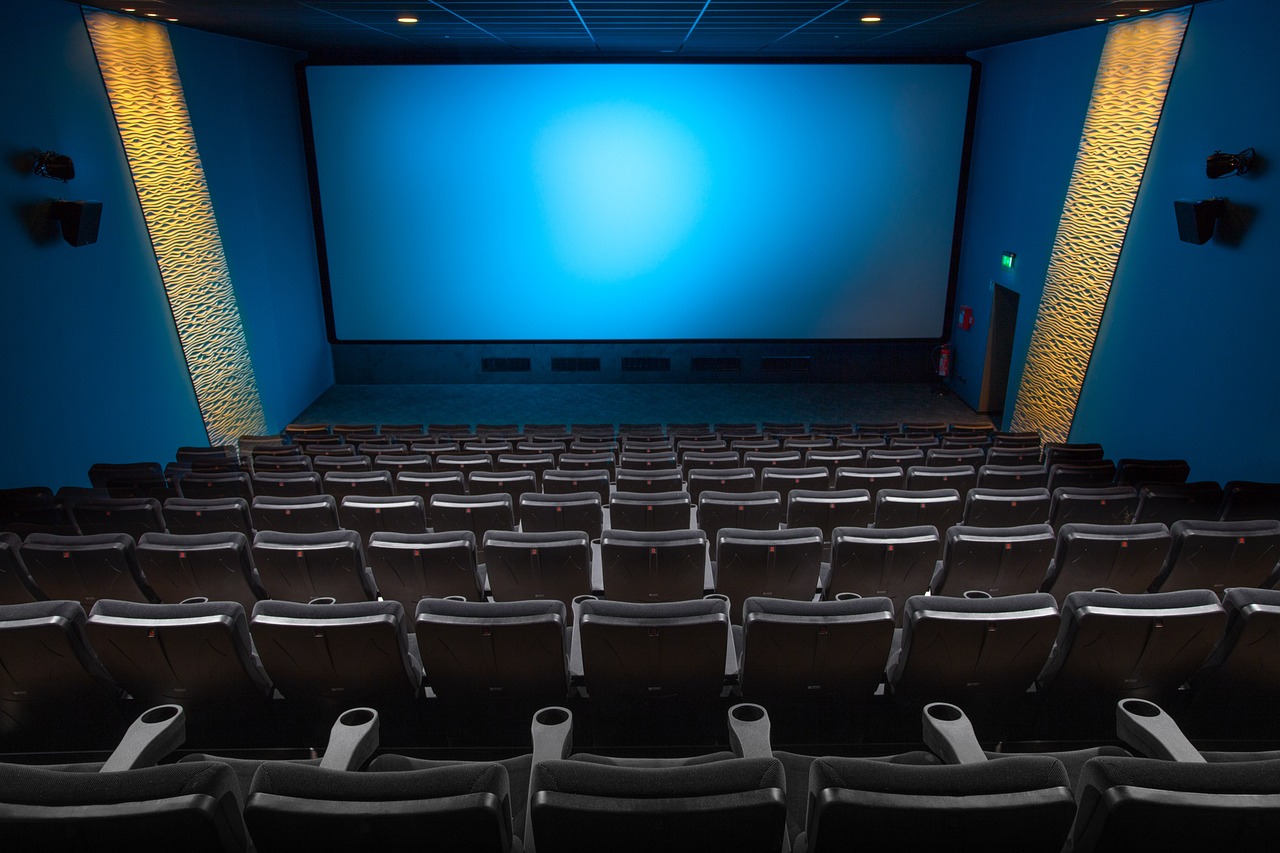

Follower Demographics and Preference for Movie Release Formats
Understanding follower demographics is essential for predicting movie and television preferences. Factors such as age, gender, geographic location, and income play significant roles in how different audience segments relate to films. For instance, younger viewers tend to favor streaming platforms, while older audiences may prefer traditional cinema experiences. This disparity in preferences can inform studios about optimal release strategies and marketing approaches. Moreover, social media activity reveals critical insights into what types of films excite followers. Many followers engage with content that reflects their own life experiences, cultural backgrounds, and interests. By analyzing demographic data, one can identify trends, such as a growing interest in diverse representation in movies. These insights can guide content creation, enabling filmmakers to tailor their projects to meet audience desires. Assessing these dynamics also allows for customized promotional efforts, maximizing box office revenue and viewership. Information gathered can impact how films are developed, marketed, and eventually released. Seeing which formats resonate greatly affects overall strategy and profitability in the competitive entertainment industry.
Demographics play a crucial role in determining audience preferences for various movie formats. Traditional theatrical releases have historically dominated the market, but recent trends indicate a shift towards digital platforms such as Netflix or Amazon Prime. This preference is particularly prominent among younger viewers aged 18-34, who demonstrate a greater comfort with on-demand viewing versus scheduled cinema showings. Moreover, these audiences often gravitate towards binge-watching entire series. A 2022 survey revealed that 75% of individuals aged 18-24 prefer streaming films at home, while only 25% favor theaters. These statistics suggest that studios must adapt to these shifting behaviors or risk losing potential revenue. Factors influencing preferences include convenience, affordability, and control over viewing experiences. Notably, the rise of COVID-19 accelerated the trend towards home viewing. Additionally, geographic location influences preferences, with urban dwellers more likely to embrace digital formats compared to those in rural areas. Creating strategies that appeal to a diverse range of follower demographics can enhance engagement and visibility. Understanding these unique audience segments allows companies to leverage tailored promotions and optimized content delivery for maximum impact.
Viewing Preferences Across Different Age Groups
Age significantly influences preferences for movie release formats among followers. Younger demographics, especially Millennials and Generation Z, lean towards streaming services for their convenience and immediacy. Research indicates that over 80% of individuals aged 18-30 prefer watching films on platforms they can access on their smartphones or tablets. This trend highlights an essential shift away from traditional theaters. In contrast, older spectators, particularly those aged 50 and above, tend to show a stronger preference for theatrical releases. For them, experiencing a film in a theater is an important social event. This demographic often appreciates the communal atmosphere and high-quality audiovisual presentation available in cinemas. Factors such as nostalgia and established habits also influence their viewing choices. While streaming services gain traction, many still favor the theatrical experience for certain genres, such as dramas or large-scale blockbusters. Understanding these preferences can help studios decide how best to allocate budgets for marketing campaigns. Emphasizing the unique aspects of theater-going for older audiences can also maximize the profitability of film releases across all formats, creating a more inclusive viewing culture.
The rise of digital media has transformed follower engagement and impacted movie release formats significantly. The advent of social media platforms such as Twitter and Instagram provides filmmakers with avenues for direct interaction with potential viewers. Followers often share their preferences and opinions online, influencing the promotional strategies adopted by studios. Online discussions about movie trailers, casting choices, and production updates fuel heightened anticipation. Consequently, studios are encouraged to prioritize social media presence in their marketing efforts. Engaging with followers through polls, Q&A sessions, and sneak peeks can create buzz surrounding a film’s release. Additionally, user-generated content, such as reviews and fan art, showcases audience enthusiasm, helping to shape perceptions about films before their official launch. Tracking this engagement is crucial, as it provides valuable insights into viewer expectations. The increase in attention to online communities may also affect a studio’s decision on whether to release films on streaming platforms or via theaters. A robust online engagement strategy can support greater retention by allowing followers to cultivate a sense of connection to the films they eagerly anticipate.
The Role of Genre in Viewing Preferences
Genres play a significant role in shaping follower preferences for movies and TV formats. Different audience segments exhibit distinct tastes in genres, which can influence how a film is released. For instance, action, sci-fi, and horror genres thrive in theater environments, where the big-screen experience intensifies viewers’ emotions and immersion. In contrast, dramas and documentaries often connect better with audiences via streaming platforms, allowing them the space for introspection and discussion. Surveys indicate that 68% of viewers appreciate intimate, character-driven films from the comfort of their home, prioritizing storyline over format. The experience around genre consumption also varies. Audiences may view romantic comedies with friends or family in a home setting for a cozy vibe while opting for thrillers or blockbusters in theaters to maximize the intensity of the experience. Acknowledging these genre-specific preferences enables filmmakers to tailor their marketing approaches effectively for each movie type. Adjusting the marketing approach can significantly impact a film’s reception and success at the box office or streaming platforms. By aligning film releases with audience expectations for specific genres, studios maximize audience engagement.
Understanding follower demographics extends beyond simple age or gender categorizations. Factors such as cultural background and personal interests also shape viewing preferences significantly. Recent studies indicate that followers of diverse backgrounds tend to seek out representation in films. For these viewers, movies featuring characters who reflect their real-life experiences enhance relatability and emotional connection. This desire for representation impacts preferences for both viewing format and content. Many audience members will prioritize films that showcase characters with whom they can identify. A clear representation often translates into increased viewership, especially among multicultural communities. Furthermore, platforms that prioritize inclusive content stand out in a competitive market. As more viewers express their desire for diversity, studios must adapt to meet these demands. Offering numerous cultural narratives and viewpoints can significantly boost engagement. This shift in perspective not only benefits underrepresented audience members but also enhances overall storytelling. By appealing to a broader audience, filmmakers can cultivate richer narratives that resonate across demographic boundaries, facilitating a more global audience for their content and increasing overall satisfaction.
Impact of Marketing Strategies on Release Choices
Marketing strategies play a pivotal role in determining the success of film releases across various formats. How a movie is promoted can greatly influence public perception, driving interest and attendance. Many studios employ comprehensive digital marketing tools to engage followers and build anticipation before release dates. By utilizing targeted advertising on platforms like Facebook and Instagram, studios can reach specific demographics more effectively. Data analytics allow for precise tracking of audience engagement, enabling marketers to adjust campaigns dynamically based on real-time feedback. Furthermore, effective use of influencers can amplify a film’s reach and credibility. Engaging popular figures within targeted demographics can foster trust and enthusiasm. Strategies that incorporate interactive elements, such as virtual screenings or exclusive behind-the-scenes content, cater to followers’ preferences for immersive experiences. Marketers are effectively building communities of interested viewers, leading to increased word-of-mouth promotion once the film releases. This creates a snowball effect of heightened visibility across both digital and traditional media channels. As viewing habits continue to evolve, marketing becomes increasingly crucial in shaping how audiences choose between theater and streaming experiences.
In conclusion, considering follower demographics is paramount in shaping audience preferences for movie release formats. Viewing habits are influenced by age, cultural background, and personal interests, which, in turn, guide marketing strategies. Studios and filmmakers must actively engage with their followers, adapting to the geographical and cultural nuances that influence viewing preferences. Successful marketing efforts rely on a deep understanding of these demographic differences. Use of social media provides an effective platform for connecting with followers, enabling real-time engagement that shapes audience expectations. Additionally, genre-specific strategies can tailor release formats to better align with viewer preferences. As the industry continues to evolve, recognizing these trends and challenges will be crucial for maximizing both box office and streaming performance. Ultimately, the insights gathered from audience demographics facilitate the development of films that resonate with diverse viewers. Engaging followers across various platforms will be essential as studios steer their content creation. Looking ahead, films will undoubtedly benefit from innovative strategies that cater to evolving follower demographics and their movie preferences, fostering a more inclusive and dynamic cinematic landscape.