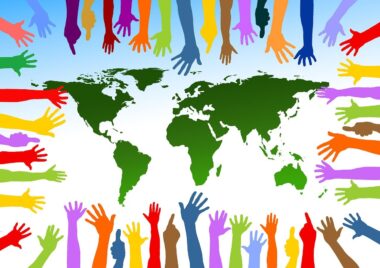

Building Social Capital with Community Empowerment Projects
Community empowerment projects are essential for fostering social capital within communities. They help individuals connect with one another, enhancing trust and collaboration among members. By providing a platform for interaction, these projects can lead to meaningful relationships that contribute to a sense of belonging. Strong social ties increase the resilience of communities. Residents feel more supported, ultimately leading to a more cohesive environment. Community projects can take various forms, including workshops, events, and volunteer activities. These initiatives aim to address local needs while involving residents in the process. Not only do they encourage participation, but they also empower individuals to take ownership of their community. This empowerment is vital. It transforms passive residents into active participants, boosting morale and motivation. As individuals see their efforts making a difference, they become more engaged. Successful empowerment projects generate ripple effects, leading to greater volunteerism and civic participation. The result is a robust community fabric, woven together by the shared experiences and values of its members. Furthermore, this interconnectedness provides a foundation for addressing larger societal issues, making communities stronger and more resilient than ever before.
Community empowerment involves equipping individuals with tools and resources to actively participate in decision-making processes. By giving residents a voice, they can influence policies affecting their lives. This empowerment fosters leadership skills and boosts self-confidence among participants. Project organizers often prioritize training and education as key components. Workshops on leadership development, communication, and conflict resolution can enhance participants’ capabilities. These skills not only benefit individuals but also strengthen the entire community. When community members are well-informed and able to voice their opinions, they become more invested in their surroundings. Engagement in local governance is also enhanced, ensuring that decisions reflect the community’s needs. Grassroots movements often emerge from these empowerment projects, uniting people around common goals. Larger initiatives may focus on social justice or environmental sustainability, allowing community members to tackle pressing concerns collectively. Building coalitions can amplify these efforts, fostering collaboration among diverse groups. These partnerships lead to more established networks, which can facilitate resource sharing. The collective impact becomes a powerful force for change—exerting influence internally and externally. Ultimately, community empowerment projects instill hope among residents, demonstrating that they can affect positive change when united.
Examples of Successful Community Projects
Numerous successful community projects demonstrate the power of collaborative efforts in building social capital. One inspiring example is community gardens that promote food security and environmental stewardship. Residents come together to cultivate gardens, fostering relationships through shared labor and knowledge. This initiative not only provides fresh produce but also allows for mentorship opportunities as experienced gardeners train novices. Additionally, neighborhood clean-up campaigns engage residents in beautifying their surroundings and enhancing local pride. This fosters teamwork and collaboration, improving interpersonal relationships. Another impactful project involves skill-sharing workshops. Residents showcase their talents, from cooking to computer skills, promoting inclusivity and learning. By participating as both teachers and learners, community members build bridges across demographics. Youth leadership programs can empower younger generations to advocate for their communities. These programs equip teens with essential skills and instill a sense of responsibility towards their neighborhoods. Involving schools in community projects can nourish cooperative relationships between students, families, and local organizations. Overall, these examples highlight that the process of working together towards common goals significantly strengthens social capital, fostering healthier, more resilient communities.
One of the essential aspects of community empowerment projects is sustainability. Projects must be designed to last beyond initial enthusiasm. Sustainability ensures ongoing support, maintaining the momentum created during the project’s inception. Achieving sustainability often requires the involvement of local stakeholders to secure resources and commitment. Collaborating with local businesses, government entities, and nonprofit organizations enhances project viability. Funding, whether through grants or community fundraising efforts, is crucial. An engaged community can develop initiatives that respond to immediate needs while remaining flexible to adapt to changing circumstances. Metrics for evaluating project success should be established early in the process. These metrics can include participation rates, participant feedback, and long-term community impacts. Regular evaluation allows for adjustments to improve effectiveness and adaptability. Furthermore, engaging participants in the evaluation process fosters a sense of ownership and accountability. As individuals see their input lead to tangible improvements, their commitment to the project deepens. The sense of pride in collective achievements can lead to a culture of continuous improvement. Through sharing successes and lessons learned, communities can inspire other neighborhoods to undertake similar projects, creating a wider network of empowerment.
The Role of Technology in Community Projects
Technology plays a transformative role in enhancing community empowerment projects. Utilization of digital tools can increase outreach and engagement, creating opportunities for more inclusive participation. Social media platforms serve as vital communication channels, allowing organizers to announce projects and gather feedback. Communities can establish online forums where residents connect and discuss ideas or concerns. These platforms also facilitate collaboration and brainstorming, fostering a collective consciousness about the community’s wants and needs. Furthermore, technology can streamline the planning process. Project organizers can use project management software to track progress, responsibilities, and deadlines. This organization leads to more effective execution, ensuring all stakeholders are informed and accountable. Online tools can enhance training efforts, providing access to resources, webinars, and virtual meetings. These capabilities allow communities to adapt to challenges, such as geographic limitations or scheduling conflicts. Additionally, data collection methods can be employed to understand community dynamics better. Analyzing this data creates informed decision-making, catering projects to residents’ specific experiences and requirements. Thus, technology becomes a vital ally in building social capital, reinforcing connections and optimizing efforts in community empowerment.
The impact of community empowerment projects extends beyond individual participants; they contribute to addressing broader societal challenges. By strengthening social capital, communities can collaborate effectively to tackle issues such as poverty, education, and health disparities. Strong community ties result in collective action, enabling residents to advocate for systemic change. This advocacy leads to greater representation for marginalized voices within local decision-making processes. Furthermore, empowered communities develop proactive approaches to problem-solving. They identify challenges collaboratively and create strategies that foster resilience. This resilience becomes increasingly important as society faces rapid changes, whether economic shifts or environmental crises. When communities work together, they foster innovation, leveraging diverse perspectives to find novel solutions. The synergy generated by collaboration often leads to unexpected outcomes, sparking new ideas and initiatives. Local leaders emerge, guiding communities toward addressing challenges proactively. Empowered communities increase their capacity to influence regional and national policies. Policymakers become more attentive to the needs of engaged communities, as their voices gain prominence. The ripple effect of empowerment thus extends well beyond individual projects, reinforcing a cycle of active engagement and community resilience that benefits all members.
Conclusion: The Future of Community Empowerment
The future of community empowerment lies in recognizing its significance in building social capital. Continued investment in community projects ensures ongoing collaboration and connection among residents. As societal landscapes evolve, identifying innovative methods for empowerment remains paramount. Future initiatives may embrace approaches integrating technology, environmental sustainability, and social equity to meet emerging challenges. Increased awareness of global issues encourages communities to focus on localized concerns with a global perspective. Furthermore, intergenerational collaboration strengthens community bonds, allowing wisdom and experience to guide younger generations. As more people engage in community projects, a culture of empowerment flourishes. Residents will feel inspired to take charge of their neighborhoods. This sense of collective responsibility creates a more vibrant, resilient society. It may also enhance civic engagement by nurturing informed citizens who challenge systemic inequalities and advocate for social justice. Moreover, documenting and sharing stories of success inspires others to replicate effective models. By promoting collaboration and empowerment, communities can navigate future challenges, ensuring a more equitable society for all. The journey of community empowerment is ongoing, requiring dedication and commitment, but the benefits—stronger communities and a better world—are worth pursuing.
Community empowerment projects are essential for fostering social capital within communities. They help individuals connect with one another, enhancing trust and collaboration among members. By providing a platform for interaction, these projects can lead to meaningful relationships that contribute to a sense of belonging. Strong social ties increase the resilience of communities. Residents feel more supported, ultimately leading to a more cohesive environment. Community projects can take various forms, including workshops, events, and volunteer activities. These initiatives aim to address local needs while involving residents in the process. Not only do they encourage participation, but they also empower individuals to take ownership of their community. This empowerment is vital. It transforms passive residents into active participants, boosting morale and motivation. As individuals see their efforts making a difference, they become more engaged. Successful empowerment projects generate ripple effects, leading to greater volunteerism and civic participation. The result is a robust community fabric, woven together by the shared experiences and values of its members. Furthermore, this interconnectedness provides a foundation for addressing larger societal issues, making communities stronger and more resilient than ever before.