
Pet Care Myths Debunked: What TikTok Gets Right and Wrong
TikTok has become a platform where pet owners share various tips and advice about animal care. However, the rapid spread of information can lead to misconceptions and myths that affect pet owners’ decisions. In this craze, content creators often gather massive views, but great caution is essential in discerning fact from fiction. One common myth is that certain human foods are safe for pets, which can be misleading. For instance, grapes and chocolate are often shown in videos, but they can be toxic. On the contrary, some foods, like sweet potatoes, are beneficial when properly prepared. Thus, we must critically evaluate these trends before changing our pets’ diets. Moreover, many TikTok trends incorrectly suggest DIY solutions for common pet problems, such as using over-the-counter medications for behavioral issues. The truth is that these issues often require professional intervention. This article aims to analyze the most popular pet care myths present on TikTok, separating the factual information worth following from the risky advice that can harm our furry friends.
Myth 1: Dogs Eat Vegetables
One prevalent myth revolves around the idea that dogs thrive on a vegetarian diet, similar to humans. Social media influencers may promote exotic vegetable meals, claiming that dogs can be fully vegan. This is misleading, as dogs are omnivorous but have specific nutritional requirements that primarily come from animal proteins. Though certain vegetables can benefit them when provided in moderation, we must ensure that their primary diet consists of high-quality, protein-rich food formulated for canine needs. Additionally, some vegetables, like onions and garlic, are harmful to dogs and should always be avoided. Ideally, pet owners should focus on a balanced meal plan tailored to their dog’s age, size, and health needs. Consulting with a veterinarian is essential to select the appropriate meals and avoid potential issues that might arise from imbalanced diets. Adopting the TikTok trend of feeding dogs human foods without guidance can lead to nutritional deficiencies or health issues. We must strive for better understanding of our pets’ dietary needs and avoid following trends blindly.
Another widespread myth is that a dog’s mouth is cleaner than a human’s. This is often mentioned in lighthearted TikTok videos showcasing pets licking their owners. However, many neglect the fact that dogs frequently lick surfaces and ingest bacteria while exploring their environments. While they have evolved mechanisms to tolerate certain bacteria, this does not imply that their mouths are devoid of harmful germs. Humans, too, have oral bacteria, and the point of comparison is misleading. Encouraging your dog to give kisses and showing off their loving behavior may appear innocent but may pose health risks. Educating pet owners about maintaining proper hygiene practices is important, especially when spreading information on social platforms. Encouraging regular dental checkups and teaching healthy habits can significantly benefit both pets and humans, fostering a better understanding of hygiene’s impact on our lives. With proper education, pet owners can help reduce health risks associated with cross-contamination and enhance their pets’ overall well-being by incorporating this knowledge into their nurturing routines.
Myth 3: Cats Can Handle Any Situation
Another common misconception is that cats naturally know how to fend for themselves in any environment. While many TikTok videos show cats displaying agility and independence, this notion can lead pet owners to underestimate their cats’ needs. Cats are often more sensitive than they appear. They can experience stress or fear in unfamiliar surroundings, which may impact their well-being. Pet owners might think that leaving cats unsupervised outdoors will boost their confidence, but it can expose them to dangers such as predators or traffic. Additionally, this misconception can lead to neglecting their need for social interaction and mental stimulation at home. It’s critical to create a safe space for our feline companions. Engaging them in indoor play and providing scratching posts is beneficial while ensuring they are enriched emotionally and physically. For those who believe that cats can happily roam freely, it’s essential to understand their limits and develop a nurturing environment that keeps them safe. This approach is key in maintaining their happiness and health.
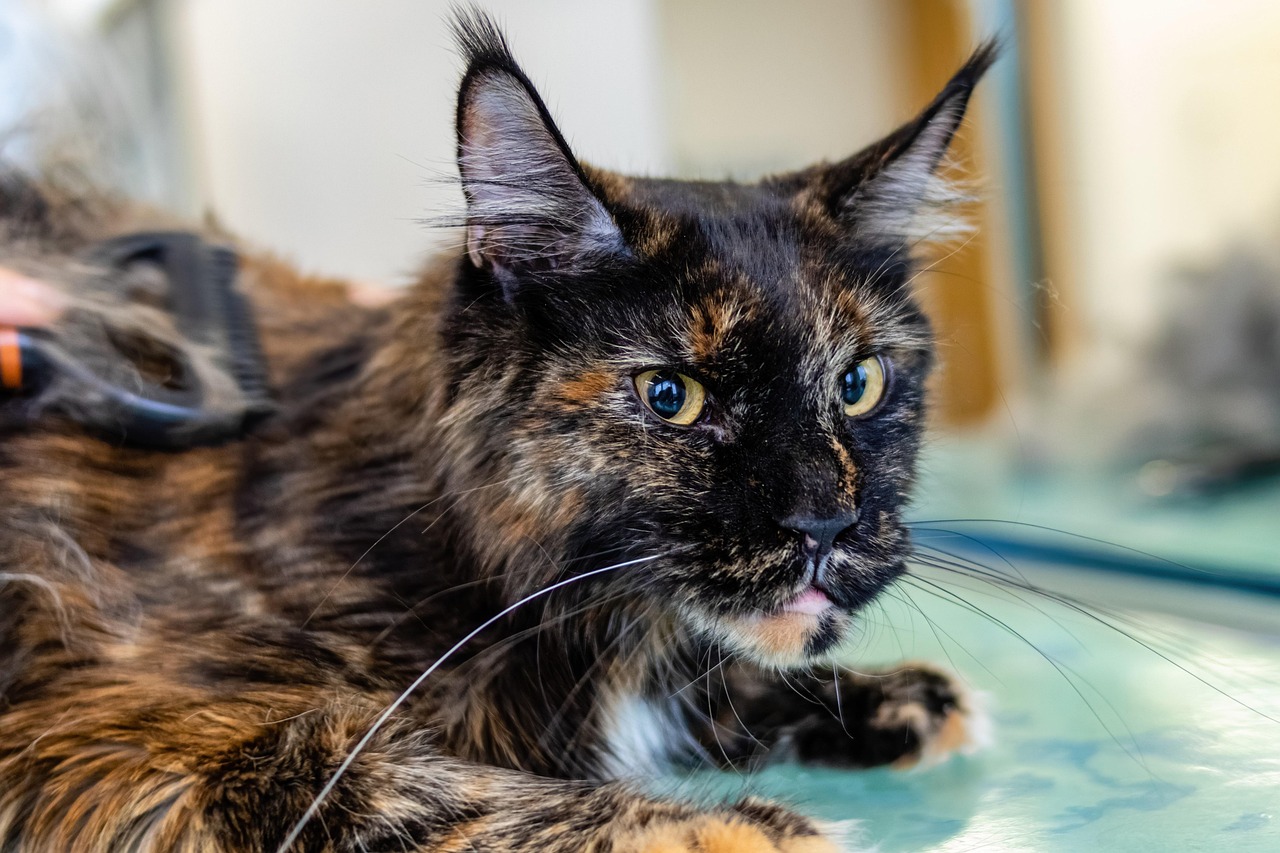
TikTok also features a growing trend promoting home grooming for pets. While saving money is appealing, there are risks involved without professional help. Many pet owners passionately share their grooming experiences, demonstrating techniques for safe DIY cuts and baths. In reality, mishaps can occur easily if proper tools and techniques are not employed. Incorrectly cutting fur or nails may cause serious injuries or infections. Moreover, specific breeds require specialized grooming techniques that owners might overlook. Regular grooming ensures pets are clean and comfortable, and professional groomers are trained to recognize skin issues or parasites that a layperson may miss. Therefore, pet owners should be cautious about following these tips without proper knowledge. It may be safer and more beneficial for pets if home grooming is supplemented with professional services. While it’s tempting to join viral challenges, educating yourself and understanding your pet’s specific grooming needs will lead to better long-term care and avoid unnecessary accidents.
Myth 5: Older Pets Don’t Need Exercise
Contrary to what many TikTok influencers suggest, older pets still require regular exercise to maintain their health and well-being. There’s a common belief that once a pet ages, they should limit their activity levels, which can lead to obesity and muscle deterioration. In videos showcasing relaxing activities, a message can mistakenly convey that senior pets shouldn’t exercise. Regular, moderate play can alleviate boredom, improve mental stimulation, and support mobility. Short walks or gentle playtime in familiar environments can significantly contribute to their quality of life. Moreover, knowing your pet’s limitations and adjusting activities accordingly is essential to keeping them safe and engaged. Routine exercise can help prevent the onset of age-related conditions and maintain their overall happiness. Engaging in appropriate activities allows older pets to enjoy life fully and fosters the bond between pets and their owners. Owners should seek advice from veterinarians to develop suitable exercise plans and ensure their aged companions remain active while considering their firsthand limitations.
The importance of socialization is frequently downplayed in TikTok pet care videos, leading potential misunderstandings about pets integrating into families. Several myths propagate the belief that once pets adapt to their home environment, they no longer require exposure to new situations. This misconception can be detrimental to both pets and people, leading to behavioral issues like aggression or anxiety. Regular social interactions, whether with other animals or humans, are crucial for puppies and kittens as they learn to navigate their surroundings. Exposure to different environments, sounds, and experiences plays a significant role in preventing fear-based responses in adulthood. Fostering positive experiences is vital; thus, pet owners should prioritize gradual introductions to various stimuli in controlled settings. Socialization must continue into adulthood to reinforce these essential skills, allowing pets to thrive in diverse environments. Owners should actively seek out playgroups or socialization classes that can assist in developing good communication and behavioral traits in their pets, aligning practices with the suggestions often promoted within reputable veterinary methods. This provides a well-rounded approach to building a balanced pet.
Conclusion: Be Informed and Responsible
In conclusion, it is essential to approach pet care advice shared on TikTok with a critical mindset. While fun and creative content can capture our attention, we must prioritize responsibility in caring for our pets by accessing vetted and reliable sources of information. Many trends can mislead pet owners into believing myth-based advice that may result in harmful consequences. We must distinguish facts from fiction and ensure that our pets’ needs are met with accurate knowledge. By consulting with veterinarians, engaging with established pet care resources, and fostering communities focused on informed discussions, we can work together to debunk myths and promote healthy practices. It’s not just about enjoying entertaining videos but about ensuring that our furry friends receive the proper care and support. As pet owners, we have a responsibility to provide the best environments for our companions and to educate ourselves continuously. By being diligent and informed, we can create a harmonious bond with our pets based on love and understanding, allowing them to thrive.